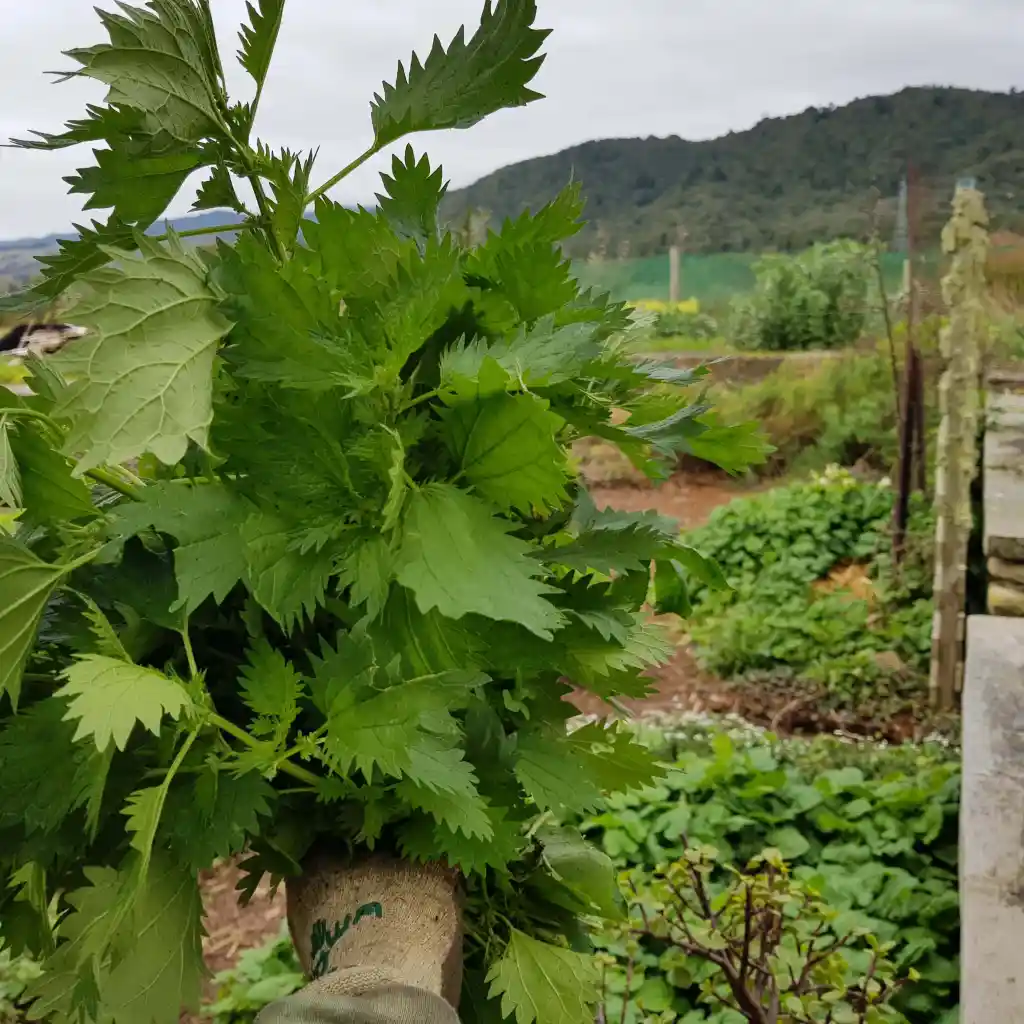
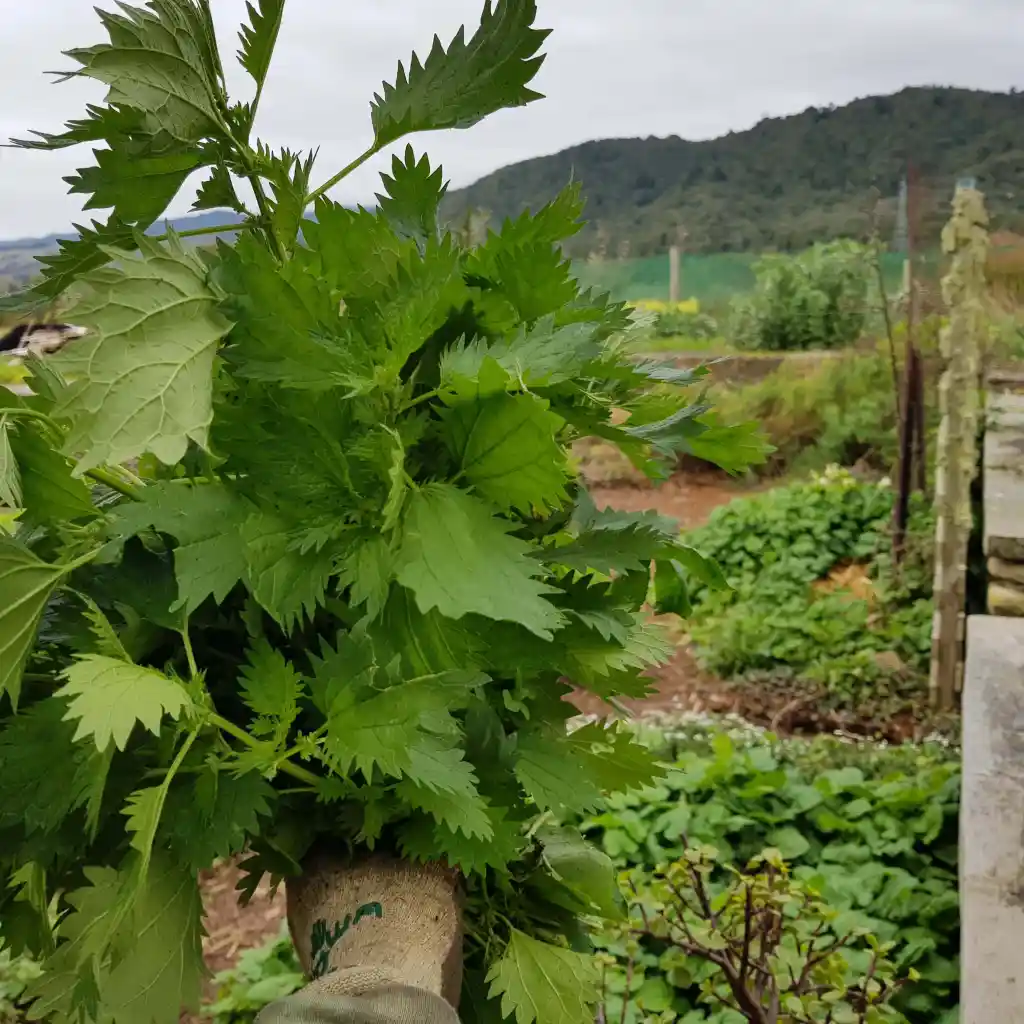
Stinging nettle (Urtica dioica) is often hailed as one of the most nutritious plants available, widely recognized for its rich content of vitamins, minerals, and antioxidants. Despite its reputation for causing a stinging sensation when touched, nettle has been used for centuries in herbal medicine and as a nourishing food source. Here’s how you can harness the benefits of this incredible plant by making stinging nettle tea.
Health Benefits of Stinging Nettle
Stinging nettle is packed with nutrients that can benefit the body in numerous ways:
- Rich in Nutrients: Nettle leaves contain high levels of vitamins A, C, K, and several B vitamins. They are also rich in minerals like iron, calcium, magnesium, and potassium.
- Anti-inflammatory Properties: Nettle is known for its ability to reduce inflammation, making it beneficial for treating conditions like arthritis and allergies.
- Supports Detoxification: The diuretic properties of nettle help flush harmful toxins from the body, promoting kidney and urinary tract health.
- Blood Sugar Control: Some studies suggest that stinging nettle can help regulate blood sugar levels, making it a useful herb for people managing diabetes.
- Natural Antihistamine: Nettle is a natural antihistamine, which can help alleviate allergy symptoms such as sneezing, nasal congestion, and itching.
How to Make Stinging Nettle Tea
Making your own nettle tea is a simple and effective way to enjoy the benefits of this nutritious plant.
Ingredients:
- 1-2 tablespoons of dried stinging nettle leaves (or a small handful of fresh nettle leaves)
- 1 cup of boiling water
Instructions:
- Prepare Nettle Leaves: If using fresh nettles, wear gloves to avoid getting stung. Wash the leaves thoroughly to remove any dirt or bugs. If using dried nettle, measure out the leaves.
- Steep the Leaves: Place the nettle leaves in a teapot or a tea infuser. Pour boiling water over the leaves and cover the pot. Allow the leaves to steep for about 10-15 minutes. The longer you steep, the more potent the tea will be.
- Strain and Serve: Once the tea has steeped, strain the leaves out and pour the hot tea into a cup. You can add honey, lemon, or other natural flavorings to enhance the taste.
- Enjoy: Drink 1-3 cups of nettle tea daily to maximize its health benefits. Be sure to start with a smaller amount and increase gradually to ensure it suits your body.
Tips for Handling Nettle
- Harvesting Nettle: The best time to harvest nettle is in spring when the leaves are young and tender. Always wear gloves and long sleeves to protect your skin from stings.
- Preserving Nettle: Nettle can be dried for long-term storage. Spread the leaves in a single layer in a dry, well-ventilated area away from direct sunlight. Once dried, store them in an airtight container.
Conclusion
Stinging nettle is a versatile and highly nutritious plant that offers a wide range of health benefits. Making nettle tea is an easy and effective way to incorporate this superfood into your diet. Whether you’re looking to boost your nutrient intake, reduce inflammation, or naturally manage allergy symptoms, stinging nettle is worth considering for its powerful medicinal properties and its status as one of the most nutritious plants on earth.