
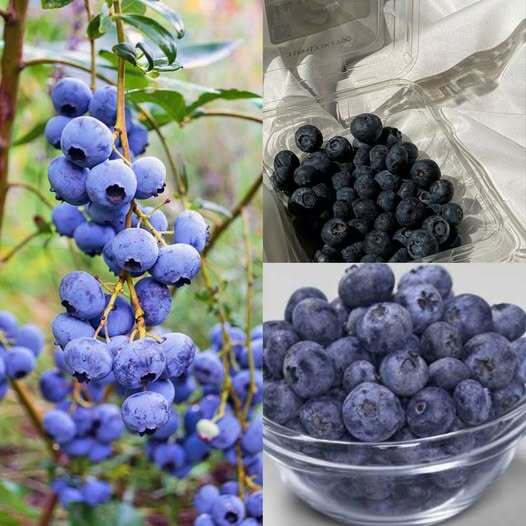
When it comes to managing blood sugar, nutritionists and traditional herbalists almost always point to one powerhouse fruit: the blueberry. While no single food can “cure” diabetes, incorporating blueberries into your diet in the right way can be a game-changer for insulin sensitivity and glycemic control.
Why Blueberries Are a Blood Sugar “Secret Weapon”
Blueberries are surprisingly low on the glycemic index (GI), but their real power lies in their internal chemistry:
- Anthocyanins: These are the powerful pigments that give blueberries their deep blue and purple hue. Studies have consistently shown that these antioxidants improve insulin sensitivity, meaning your body becomes more efficient at moving glucose from your blood into your cells.
- Fiber Density: Blueberries are packed with soluble fiber. This fiber acts like a “sponge,” slowing the absorption of carbohydrates into your bloodstream and preventing the dangerous sugar spikes that often happen after a meal.
- Metabolic Signaling: Emerging research suggests that the bio-active compounds in blueberries may activate the body’s natural “energy sensors,” helping your metabolism function more like that of a younger, healthier system.
How to Unlock the Benefits (The Protocol)
To use blueberries as a metabolic aid, you should avoid the “dessert” trap (sugar-filled muffins or syrups). Instead, integrate them strategically:
1. The Pre-Meal “Buffer”
If you know you are about to eat a meal that is slightly higher in carbohydrates, eat 1/2 cup of fresh blueberries 15 minutes before the meal. The fiber in the berries begins to work in your gut immediately, prepping your system to absorb sugar more slowly once your main meal arrives.
2. The Fermented Boost
If you want to maximize the “diabetic-friendly” benefits, try fermented blueberries.
- Why: Fermentation breaks down the fruit sugars further and introduces probiotic bacteria, which are essential for maintaining the gut health needed to regulate blood sugar.
- The Method: Combine 1 cup of blueberries with 1 teaspoon of raw honey and 1/4 cup of water in a jar. Let it sit at room temperature for 3 days. The probiotics will ferment the fruit, making them a “gut-healing” treat for your metabolism.
3. Leaf Tea Infusion
In many traditional herbal practices, blueberry leaf tea is used alongside the fruit. The leaves contain higher concentrations of plant compounds that naturally help kidneys process glucose. You can brew them just like you would green tea.
Critical Wellness Reminders
- Avoid “Blueberry Products”: Blueberry juices, yogurts, and jams are usually loaded with added sugar, which will spike your blood sugar immediately. Only use fresh or frozen blueberries (no sugar added).
- Moderation: Despite their benefits, fruit contains fructose. Aim for 1/2 to 1 cup of blueberries per day as part of a balanced diet.
- Medical Disclaimer: Blueberries are a nutritional tool, not a replacement for insulin or metformin. If you have Type 2 diabetes or are on blood-sugar-lowering medication, do not make changes to your diet without consulting your primary care doctor. Your medication may need to be adjusted if your body starts responding better to natural glucose control.



