As the years stack up, many of us grow wiser about what truly keeps the body steady. One quiet worker deserves more credit than it often gets: vitamin C. Think of it as the body’s sturdy glue. It helps your skin stay connected to the muscle beneath it, supports your gums so they can hold your teeth, and reinforces the walls of your blood vessels so they stay strong. This same nutrient fuels the making of collagen, the springy protein that keeps tissues firm, flexible, and able to repair themselves after everyday wear and tear.
When the body runs low on vitamin C, small things begin to tell the story first. Gums feel tender. Skin looks rougher. Bruises appear after minor bumps. A scrape seems to take longer than usual to close. Hair may look tired and break more easily. Joints can feel achier. Fatigue may settle in, especially if iron levels slip because vitamin C helps the body absorb iron from plant foods. These signals are worth noticing, not to make you worry, but to help you tune back in to what your body needs to remain sturdy.
Older adults are especially wise to pay attention to vitamin C. Appetites can change. Cooking habits may shift. Teeth or dentures can make some foods less appealing. Medications and health conditions may add complexity. The good news is that restoring vitamin C is straightforward and gentle on the body when done with simple food choices and sensible habits. You do not need exotic powders or complicated routines, just regular helpings of fresh fruits and vegetables, and a light touch when you cook them.
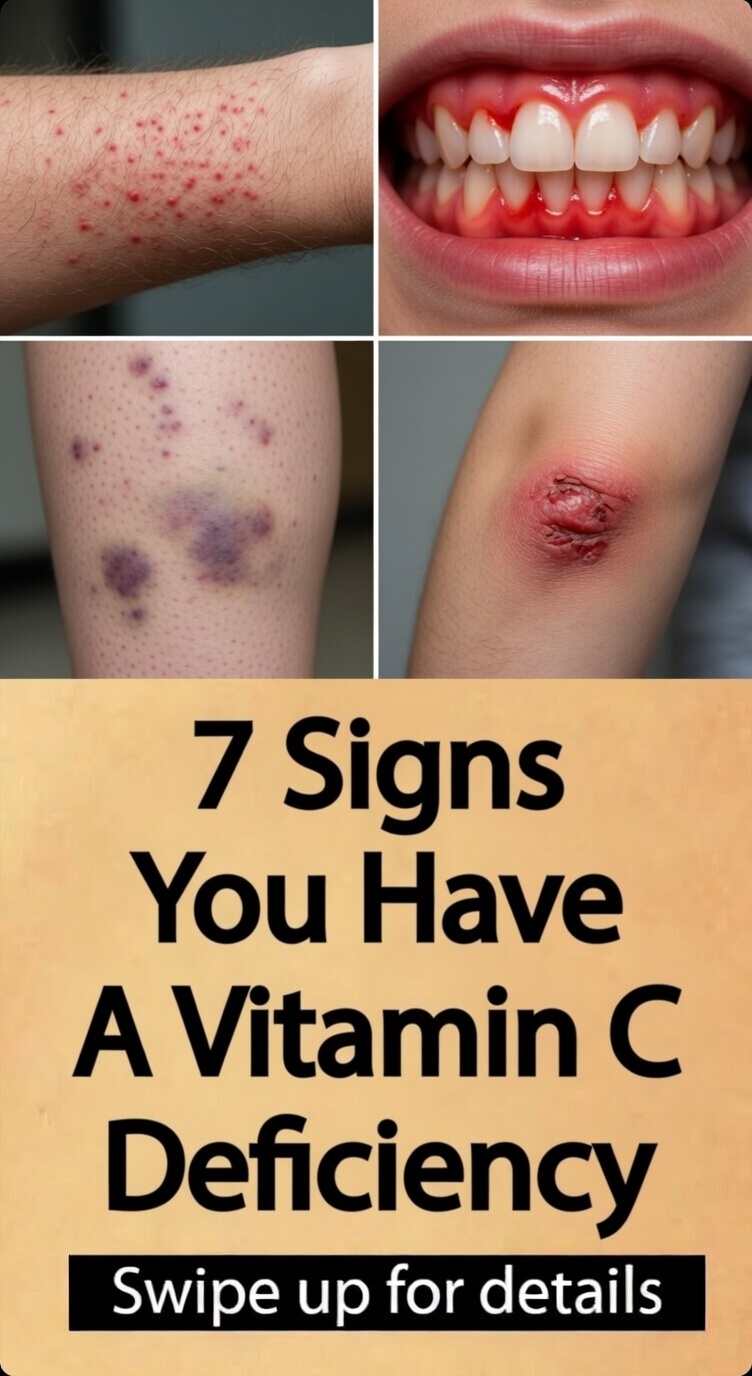
Below are seven common signs of a vitamin C shortfall, paired with plain-language explanations of what is happening and how you can respond. Consider these as friendly guideposts rather than a diagnosis. If any concern lingers or worsens, a conversation with your dentist or healthcare professional is always a smart next step.
The Crimson Gate: Bleeding or Swollen Gums
Your gums are the soft foundation that holds your teeth. Vitamin C helps your body build strong collagen in this tender tissue. When vitamin C is short, the collagen network weakens and the gums can become sore, puffy, and quicker to bleed when you brush or floss. You might notice a reddish outline along the gumline or a little pink in the sink after brushing.
Gentle daily care is helpful here. Use a soft toothbrush and steady, light pressure. Keep regular dental cleanings on your calendar. At the same time, think about what is landing on your plate. Adding a daily source of vitamin C, such as an orange, a handful of berries, a kiwi, a few slices of bell pepper, or some raw cabbage or broccoli, can begin to shore up that collagen framework. Many people notice that tenderness eases over time when vitamin C intake improves. If bleeding continues despite better brushing and a more colorful plate, your dentist can check for gum disease or other causes.
The Strawberry Pore: Rough, Bumpy Skin
Keratosis pilaris is a common, harmless skin pattern that looks like tiny dry bumps, often on the backs of the arms or the thighs. It can feel like sandpaper. When vitamin C is lacking, skin turnover slows and pores can plug more easily, which makes these bumps more noticeable. Because collagen gives skin its smooth, even surface, lower collagen production can add to the roughness you feel.
Moisturizing after bathing and using mild soaps can keep the skin’s surface calm. From the inside out, a steady stream of vitamin C supports the collagen that keeps skin resilient. Citrus fruit, strawberries, tomatoes, and leafy greens offer that support without fuss. While keratosis pilaris can also run in families and may not disappear completely, many people find the texture softens when their day-to-day eating includes more fresh produce.
The Rust Spot: Easy Bruising
Bruises happen when tiny blood vessels under the skin break and leak. Vitamin C helps build the collagen that wraps and supports these vessels. Without enough of this support, the vessels can become fragile and break with minor bumps, leaving blue or purple patches that seem to bloom from nowhere.
It is also important to remember that certain medicines, such as blood thinners, aspirin, and some supplements, can increase bruising. Age itself makes skin thinner, which can show bruises more clearly. If you notice bruises appearing more often or taking longer to fade, consider both your vitamin C intake and your medication list. A healthcare professional can help you sort out which factor is playing the bigger role. Meanwhile, bringing more vitamin C–rich foods into daily meals is a gentle, sensible step you can take right away.
Even small additions can help. A banana is fine for potassium, but it offers little vitamin C compared with an orange or a cup of strawberries. Tucking in a side of raw bell pepper strips at lunch, adding chopped parsley to soups, or finishing dinner with sliced kiwi are simple ways to quietly increase your intake.
The Slow Seal: Delayed Wound Healing
When you nick your finger or scrape a knee, your body needs collagen to knit the edges back together. Vitamin C is required at several steps in this repair process, so a shortage can slow the sealing and make scabs softer and less sturdy. If scratches seem to linger, or small cuts remain tender longer than they used to, low vitamin C could be part of the picture.
Other issues may also slow healing, including diabetes, poor circulation, smoking, or certain medications. Good wound care and medical guidance are important. At the same time, building a dependable habit of vitamin C intake gives your body the raw materials it needs to make new tissue. Pairing lean proteins, which supply amino acids, with fruits and vegetables rich in vitamin C supports the entire repair crew working beneath the surface.
The Iron Fog: Persistent Fatigue and Anemia
Iron helps carry oxygen in your blood, and vitamin C helps the body absorb iron from plant sources such as beans, lentils, spinach, and fortified grains. Without enough vitamin C, less iron makes it from your plate into your bloodstream, and you may feel unusually tired, short of breath with mild activity, or pale. This can be especially frustrating because the fatigue feels out of proportion to your day.
One simple change can make a big difference. Combining plant iron with vitamin C in the same meal improves absorption. A bowl of lentil soup brightens up with a squeeze of lemon. Spinach softens and sweetens with a few slices of orange. A tomato-and-bean salad or a baked potato topped with chopped broccoli takes you in the right direction. If you already take iron supplements, check with your clinician before making changes; iron is powerful and is best taken under medical advice, especially if you have a history of iron overload or kidney stones.
The Corkscrew Strand: Coiled or Brittle Hair
Hair is built from protein and held together with bonds that depend on nutrients, including vitamin C. When vitamin C is low, hair can grow in thinner, weaker strands that break more easily. In more severe shortages, new hair can even appear twisted or coiled. While hair changes have many possible causes, from hormones to thyroid function to hairstyling practices, vitamin C plays a steady, background role in keeping strands strong at the root.
A pattern of more breakage than usual, along with other signs like easy bruising or sore gums, may point toward a vitamin C gap. Focusing on a colorful plate each day supplies what follicles need to keep building sturdy strands. Patience helps here, too, because hair reflects what has been happening inside the body over weeks and months rather than days.
Along with food choices, gentle hair care supports recovery. Using less heat, avoiding tight styles that tug at the root, and keeping the scalp clean and comfortable all help protect new growth as your nutrient intake improves.
The Hinge Heat: Swollen or Aching Joints
Joints rely on cartilage and connective tissue that are rich in collagen. Vitamin C is essential for constructing and maintaining this framework. When intake falls short, joints can feel tender, puffy, or stiff, especially after sitting or upon waking. While arthritis has many causes and vitamin C is not a cure-all, it does help your body maintain the cushions and ligaments that keep joints moving smoothly.
Mild movement, such as walking, gentle stretching, or water exercise, paired with regular vitamin C intake, supports joint comfort over time. Fruits and vegetables also deliver antioxidants that help quiet everyday wear and tear in the tissues. If swelling is pronounced or pain limits your daily life, it is wise to ask your clinician for an evaluation; there may be other treatments that can help alongside nutrition.
Why Vitamin C Matters So Much to Collagen
Behind the scenes, vitamin C helps your body form stable collagen fibers. It acts like a helper key that locks collagen strands into a strong, springy shape. Without that key, the fibers are fewer and weaker, and tissues that rely on them begin to soften and fail under stress. That is why low vitamin C can show up in places as different as gums, skin, blood vessels, and joints. In each of these tissues, collagen is the quiet scaffolding that keeps everything in place and working well.
Vitamin C also does other jobs. It supports your immune system, helps recycle other antioxidants so they keep working, and assists in making certain hormones and chemical messengers. In short, it is busy from sunrise to bedtime, and your body needs a steady supply because it cannot store large amounts or make any on its own.
The Fresh Fire Mandate: Simple Ways to Refill Your Stores
Vitamin C is sensitive to heat, light, and long storage. That means the gentler you treat your produce, the more vitamin C remains for your body. Raw fruits and vegetables offer the most. When you cook, quick methods like light steaming, brief sautéing, or microwaving with a splash of water help preserve vitamin C better than long boiling.
Small, practical habits make a big difference. Eating fruit soon after cutting it keeps more of its vitamin C intact. Storing greens in the fridge and not in the warm kitchen air slows down nutrient loss. Frozen fruits and vegetables are picked and frozen at peak ripeness and can be excellent sources, especially in seasons when fresh produce is limited. A cup of frozen strawberries or broccoli, gently warmed or added to a smoothie, keeps your intake steady without much effort.
Most adults need around 75 to 90 milligrams of vitamin C per day. Smokers and those exposed to frequent smoke generally need more. Many people meet their needs with everyday foods: one orange, one cup of strawberries, half a large bell pepper, or a baked potato can each cover much of a day’s requirement. If you choose to use a supplement, staying near the recommended daily amount is usually enough. Very high doses can cause stomach upset, and people with a history of kidney stones or certain health conditions should check with a clinician first. The goal is steadiness rather than excess.
Pairing vitamin C with protein-rich foods supports collagen building even more effectively. A breakfast of yogurt and berries, a lunch with beans and tomatoes, or a dinner that includes fish with a side of steamed broccoli gives your body what it needs to create and maintain strong tissues. Squeezing lemon over greens or vegetables at the table is a simple habit that adds brightness to flavor and a lift of vitamin C in one gesture.
Everyday Examples You Can Feel
You might notice that brushing irritates your gums less after a few weeks of consistent vitamin C intake. Bruises that used to darken and linger may fade more quickly. A nagging scrape on the shin could finally close. Skin that felt rough at the back of the arms may feel smoother when you apply moisturizer regularly and eat more colorful produce. Hair might shed less in the brush and look livelier as new growth comes in. Joints can feel a touch looser, especially when you combine nutrition with gentle movement.
These are quiet changes, not overnight miracles. But they are the signs of sturdy maintenance, the kind the body appreciates, especially with age. When you notice these small improvements, you will know you are feeding the collagen anchor well and giving your blood vessels, gums, skin, and joints the support they have been asking for.
When to Reach Out for Help
If bleeding gums persist despite better oral care, or if bruising appears without cause and becomes frequent, a clinician or dentist can help determine whether other issues are involved. If extreme fatigue or shortness of breath accompanies your concerns, it is important to be evaluated for anemia and other conditions. If you have diabetes, poor wound healing deserves prompt attention. Nutrition is powerful, but it works best as part of a complete plan made with your healthcare team.
Keep in mind that while these seven signs point toward a vitamin C shortfall, they are not proof by themselves. Many conditions overlap in how they look and feel. What you can do right away, however, is well within reach: bring more fresh, vitamin C–rich foods into your meals and be gentle with how you prepare them.
Bringing It All Together
Vitamin C is not a fad or a quick fix. It is the quiet companion that keeps your tissues strong and your healing steady. By paying attention to early signals such as tender gums, easy bruising, slow-healing cuts, rough skin, brittle hair, tiredness linked to iron, and achy joints, you give yourself the chance to correct course before small problems grow larger. A colorful plate, a light hand in the kitchen, and consistent, everyday choices are all it takes to refill your vitamin C reserves.
Let this be a friendly reminder that resilience often begins with the basics. Choose an orange or a bowl of berries today. Add a handful of raw peppers to your sandwich. Sprinkle parsley on your soup or squeeze lemon over your greens. These simple acts put vitamin C back to work, strengthening the collagen anchor that quietly supports you from head to toe.