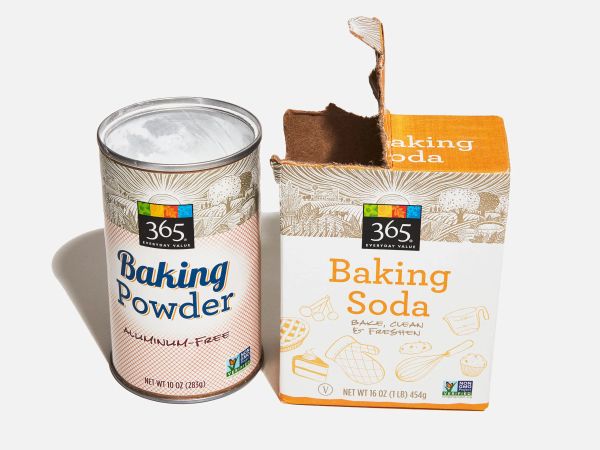
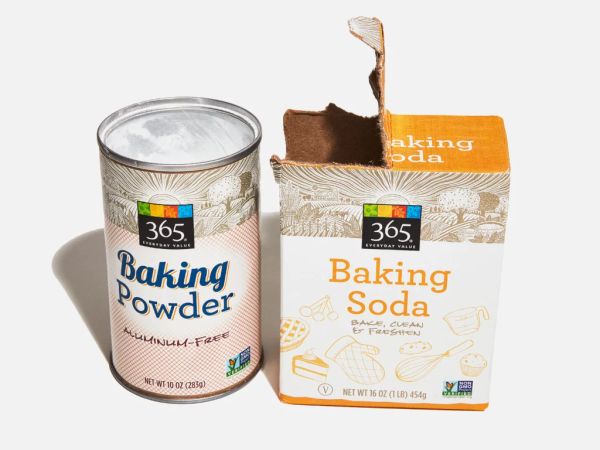
Baking soda, also known as sodium bicarbonate, is a popular home remedy for acid reflux. It’s known for its ability to neutralize stomach acid and provide quick relief. However, it’s important to be aware of the potential dangers and side effects that can arise from using baking soda for acid reflux.
1. High Sodium Content
Baking soda is high in sodium, with about 1,260 mg of sodium per teaspoon. Consuming too much sodium can have negative effects, especially for individuals between 45-65 years old:
- High Blood Pressure: Excess sodium can increase blood pressure and raise the risk of heart disease and stroke.
- Fluid Retention: Too much sodium can cause the body to retain water, leading to swelling in the legs, hands, and feet.
- Kidney Strain: Frequent use of baking soda can overwork the kidneys and potentially cause kidney damage over time.
2. Alkalosis
Using baking soda excessively can lead to a condition called metabolic alkalosis, where the body’s pH becomes too alkaline. Symptoms of alkalosis include nausea, vomiting, muscle twitching or cramps, confusion, dizziness, and difficulty breathing. Severe alkalosis can be dangerous and may require medical attention.
3. Disruption of Electrolyte Balance
Frequent consumption of baking soda can disturb the balance of important electrolytes in the body, such as potassium and calcium. This imbalance can result in hypokalemia (low potassium levels) which causes muscle weakness, fatigue, and irregular heartbeats. It can also lead to hypocalcemia (low calcium levels), causing muscle cramps, spasms, and even involuntary muscle contractions.
4. Acid Rebound
Although baking soda can provide temporary relief from acid reflux, it may cause acid rebound. This means that after the initial relief wears off, the stomach may produce even more acid, leading to worsening acid reflux symptoms over time. This can make the problem more difficult to manage.
5. Gas and Bloating
When baking soda mixes with stomach acid, it produces carbon dioxide gas. This gas can cause bloating, belching, and stomach cramps. These symptoms can be uncomfortable and affect daily life.
6. Risk of Overdose
Taking too much baking soda can result in a sodium bicarbonate overdose, which can be serious and require medical attention. Symptoms of an overdose include vomiting, diarrhea, confusion, difficulty breathing, seizures, and in severe cases, even coma.
7. Interaction with Medications
Baking soda may interact with certain medications, reducing their effectiveness or causing adverse reactions. Some examples include:
- Taking baking soda alongside other antacids can increase the risk of alkalosis.
- Baking soda can reduce the absorption of aspirin, making it less effective.
- The high sodium content in baking soda can interfere with medications used to manage high blood pressure, potentially reducing their efficacy.
8. Risk for Individuals with Certain Health Conditions
Certain individuals, particularly those between 45-65 years old, are at higher risk for complications when using baking soda for acid reflux. These include:
- Pregnant Women: Excess sodium can contribute to high blood pressure and swelling during pregnancy.
- People with Heart Disease: High sodium intake can exacerbate heart-related conditions.
- Kidney Disease Patients: Those with kidney disease may struggle to process the sodium in baking soda, leading to an increased risk of kidney damage.
Safer Alternatives for Acid Reflux
If you’re looking for safer and more effective ways to manage acid reflux, consider these alternatives:
- Dietary Changes: Avoid trigger foods such as spicy foods, fatty meals, citrus, and caffeine.
- Elevating the Head of Your Bed: Sleeping with your head elevated can reduce nighttime reflux.
- Over-the-Counter Antacids: Medications like Tums, Rolaids, or H2 blockers (like ranitidine) are designed to manage acid reflux more safely.
- Apple Cider Vinegar: Some people find relief from a teaspoon of diluted apple cider vinegar, although results may vary.
Conclusion
While baking soda can provide temporary relief from acid reflux, it’s important to use it sparingly and in moderation. Excessive use can lead to high sodium intake, alkalosis, electrolyte imbalances, acid rebound, and other potential dangers. If you suffer from chronic acid reflux, it’s best to seek safer alternatives and consult with a healthcare professional for a long-term solution tailored to your needs.