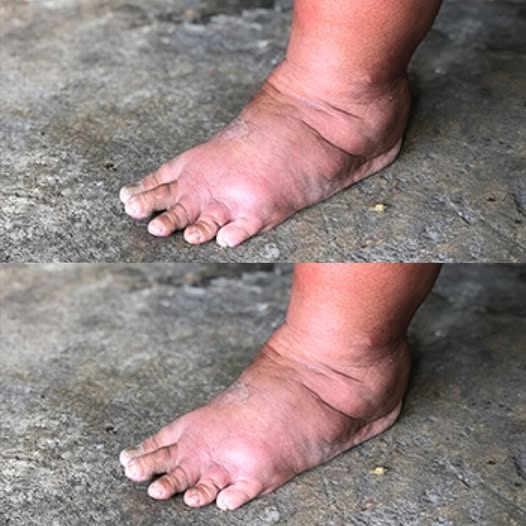
While there is no single “magic” vitamin that cures all swelling, Vitamin B6 (pyridoxine) is widely recognized for helping the body regulate fluid balance and reduce mild swelling, particularly water retention associated with hormonal changes.
However, swelling in the extremities (edema) is often caused by a combination of factors, including electrolyte imbalances, poor circulation, or inflammation. Therefore, a comprehensive approach usually involves a mix of vitamins and minerals.
Key Nutrients for Reducing Swelling
1. Vitamin B6 (Pyridoxine)
- Role: Helps the body manage fluid levels and supports kidney function to excrete excess water.
- Best for: Swelling related to PMS or mild fluid retention.
- Sources: Bananas, potatoes, chickpeas, chicken, and fortified cereals.
2. Magnesium
- Role: Acts as a natural muscle relaxant and improves circulation, which helps prevent fluid from pooling in the lower body. It also works with potassium to regulate electrolyte balance.
- Best for: Reducing bloating and swelling in extremities.
- Sources: Spinach, almonds, black beans, and pumpkin seeds.
3. Potassium
- Role: Counteracts the effects of sodium (which causes water retention) by signaling the kidneys to release more water through urine.
- Best for: Swelling caused by a high-salt diet.
- Sources: Avocados, bananas, sweet potatoes, and coconut water.
4. Vitamin C
- Role: A powerful antioxidant that strengthens blood vessel walls (reducing “leaky” vessels) and lowers inflammation.
- Best for: Swelling caused by inflammation or weak circulation.
- Sources: Citrus fruits, bell peppers, broccoli, and strawberries.
Lifestyle Changes to Reduce Swelling
Nutrients work best when paired with lifestyle changes:
- Reduce Sodium Intake: High salt intake is the most common cause of fluid retention.
- Elevate Extremities: Raise legs above the heart level to encourage fluid to drain back toward the heart.
- Stay Hydrated: Ironically, drinking more water helps the body release stored fluid.
- Move Regularly: Walking or flexing your feet helps pump fluid out of the extremities.
Important Note
If swelling is severe, persistent, sudden, or accompanied by pain, redness, or shortness of breath, seek medical attention immediately, as it could be a sign of a serious condition like heart, kidney, or liver disease, or a blood clot.