Many people are curious about simple evening habits that make them feel calmer, lighter, and ready for a good night’s sleep. One idea you may have heard about is using a tiny amount of petroleum jelly and baking soda around the belly button as a comforting ritual. It is important to know that there is no scientific proof that applying a mixture to your navel can balance your internal health, speed your metabolism, or cure a cold. The skin on your belly, like skin elsewhere, does not serve as a shortcut to your internal organs, and remedies placed on the skin should be chosen and used with care.
That said, a brief, gentle routine at bedtime can be surprisingly soothing. The act of taking a minute for yourself, warming your hands, and caring for the skin around your midsection can help signal to your body that it is time to wind down. For some people, this calm, predictable routine reduces the sensation of abdominal tightness that often grows during a busy day. When tension softens and you sleep more soundly, you may wake up with steadier energy simply because your rest was better.
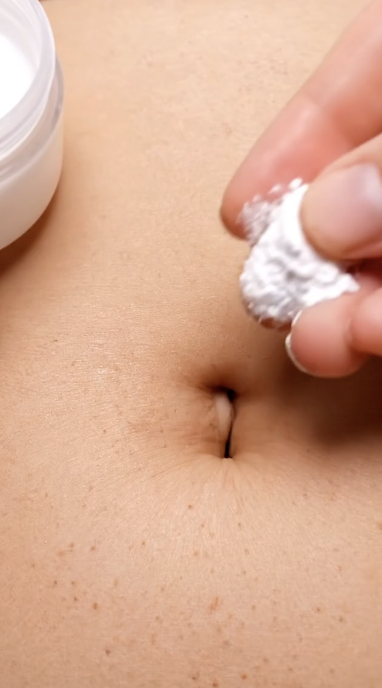
If you are interested in a navel-soothing routine, it is safest to keep it simple. A tiny dab of plain petroleum jelly applied gently around the outer area of the navel can help the skin feel protected and moisturized, especially in dry weather. Baking soda, while common in many home tips, can be irritating to sensitive skin and is not necessary to achieve comfort. If you choose to experiment with any product on the skin, patch-test first on a small area of your inner forearm for a day or two, and avoid placing anything deep inside the belly button. If you have diabetes, piercings, a skin condition, a healing wound, or any sign of infection, talk with a clinician before applying products to this area.
It is wise to set the right expectations. A soothing navel ritual cannot neutralize toxins, erase inflammation, or fix digestive problems on its own. Feelings of bloating, sluggishness, or low energy can have many causes, including the day’s meals, hydration levels, activity, medications, stress, and sleep quality. If these symptoms are new, persistent, or bothersome, it is a good idea to speak with your healthcare professional. In the meantime, a calming bedtime routine can be a friendly, low-effort way to support comfort while you rest.
Why the Belly Button is an Internal Treasure
The belly button is a small, often overlooked area, but it deserves gentle care for a few practical reasons. It sits at the center of your abdomen, right where many of us hold tension when we are rushed, worried, or have eaten in a hurry. Placing warm hands near the belly and breathing slowly can activate the body’s relaxation response, which may ease the tight, heavy feeling that can build up as the day goes on.
The skin around the navel can also be drier or more sensitive than other areas because it has tiny folds that may collect sweat or friction from clothing. Moisturizing the surrounding skin with a small amount of a simple, fragrance-free product, like petroleum jelly, can protect this area from dryness and irritation. While the navel is not a “gateway” to internal systems, a short, thoughtful ritual at the center of your body can feel surprisingly reassuring, much like a warm compress on a sore shoulder or a neck massage at the end of the day.
Another reason this spot feels special is the power of habit. When you use the same small routine before bed every night, your brain starts to connect that action with rest. Over time, the habit itself becomes a signal that it is time to slow down. This kind of cue helps many people, especially when life feels full and busy, to drift into sleep more easily and wake with steadier energy simply because their rest improved.
Recipe for the “Nightly-Reset” Navel Balm
A gentle navel-care ritual works best when it is clean, simple, and comfortable on your skin. There is no need for complicated mixtures. Plain petroleum jelly can help seal in moisture on the surface of the skin, which many older adults find helpful in dry climates or during winter months. Baking soda does not add proven internal benefits and can be irritating; if you have sensitive skin, it is best to skip it. If you are determined to try it, keep the amount extremely small and stop immediately if you notice any stinging, redness, or itching.
Before you begin, wash your hands with warm water and mild soap. If the area around your navel needs cleaning, do so gently with a soft washcloth and water. Pat the skin dry completely. Keeping the area clean and dry helps avoid irritation, especially if you have been active or have perspired during the day.

Ingredients:
A pea-sized amount of plain, fragrance-free petroleum jelly placed on a clean fingertip or cotton swab is enough for most people. If you have resilient skin and are not prone to irritation and still wish to include baking soda, use no more than a small pinch mixed thoroughly into the jelly in the palm of your hand. Remember that this addition is optional and not necessary for comfort. Many people do best with the jelly alone.
Instructions:
Sit or lie down comfortably and take a slow, deep breath. Warm the jelly between your fingers for a moment. Using a light touch, apply a thin film to the skin just around the outer rim of the belly button, not deep inside. Think of outlining a small circle about the size of a coin. If any product collects in a fold, gently spread it out so that it forms an even, barely-there layer. If you are using a cotton swab, be careful not to push or twist into the navel. The goal is simply to condition the surface skin and create a moment of calm as you prepare for sleep.
When you finish, rest your warm hands over your abdomen and breathe in for a count of four, pause, and breathe out slowly for a count of six. Repeat this two or three times, or as long as it feels pleasant. In the morning, if a residue remains, rinse the area lightly in the shower or wipe gently with a damp cloth and pat dry. If you notice any irritation at any point, stop using the product and let your skin rest.
For those who prefer not to use petroleum jelly, a single drop of a simple, food-grade oil such as olive or sweet almond oil can be rubbed between your fingers and smoothed around the area in the same way. Choose fragrance-free options to lower the chance of irritation, and patch-test any new product on the inner forearm for a day or two before using it on the belly.
Three Tips for the Best Results
The most important part of any soothing routine is consistency. Choose a time each evening, perhaps after you brush your teeth or after a warm shower, and follow the same simple steps. Your brain will learn to connect this gentle action with rest, and your body will respond by relaxing sooner. Keeping the steps easy and pleasant helps you look forward to this quiet minute at the end of your day.
It helps to warm the area first. A few minutes before you begin, place a warm (not hot) compress or a folded, damp washcloth warmed under the tap over your abdomen. The warmth relaxes surface muscles and can soften the tight, bunched feeling that sometimes follows a busy day or a late meal. After a minute or two, remove the compress, dry the skin, and apply your small amount of moisturizer to the outer navel area. This pairing of warmth and a light, protective layer can be very comforting.
Breathing makes a difference. After you apply the balm, rest your palms on your belly and practice slow, even breaths. Think about expanding your abdomen gently as you breathe in and letting it soften as you breathe out. This diaphragmatic breathing can calm the nervous system and may reduce the sensation of bloating by easing the tension we naturally hold in the midsection. Even two minutes of calm breathing can set a peaceful tone for the night.
Keep digestion in mind throughout the evening. Give yourself a couple of hours between your last meal and bedtime when you can, and sip water steadily through the day so you do not feel overly thirsty at night. Many people notice they sleep more soundly when evening meals are lighter and when rich, spicy, or very salty foods are enjoyed earlier. If you take medications that affect digestion or fluid balance, your clinician can help you plan meals and fluids that fit your needs.
Your skin will thank you for gentle products. Fragrance-free options tend to be better tolerated, especially on thinner or more sensitive skin. If you are in the 45 to 65 age range, you might notice your skin changes from season to season. Adjust the amount you use accordingly. A pea-sized amount is often plenty, and more is not better. If you ever see redness, flaking, or itching, give the skin a break and switch to a simpler, milder product or stop the routine altogether until everything looks and feels normal again.
Finally, listen to your body. If the feeling of heaviness, bloating, or discomfort is common for you, track what you eat and how you feel for a week or two and share this with your healthcare professional. Sometimes small adjustments to meals, timing, or activity can make a big difference. Gentle movement after dinner, such as a relaxed walk around the block, and a regular sleep schedule often help more than we expect.
A Simple Final Tip
A navel-soothe ritual is not a cure-all, but it can be a kind, calming moment you give yourself each night. Think of it as a friendly reminder to slow down, care for your skin, and breathe. When you practice it consistently, the benefit you notice is most likely the result of better relaxation and better sleep. Many people describe waking up clearer and more refreshed when they end the day with a few quiet, predictable minutes of self-care.
If you decide to try a dab of petroleum jelly around the navel, keep it small, keep it gentle, and keep it clean. You do not need baking soda to feel comfortable, and those with sensitive skin should avoid it. Never push products deep into the belly button, and stop if anything stings or looks irritated. If you have any medical conditions, are healing from surgery, or notice ongoing digestive problems, make an appointment with your clinician to discuss the safest, most effective plan for you.
Over time, you may discover that the real “secret” is not the ingredient, but the ritual. A warm compress, a whisper of moisturizer on the skin, a few slow breaths, and a quiet mind can work together to settle the body. Pair this with commonsense habits, like allowing time after dinner before bed and drinking water through the day, and you may find your evenings feel lighter and your mornings start more smoothly.
There is something reassuring about caring for the center of your body. Even though the navel is not a direct pathway to internal organs, a small, gentle routine in this spot can serve as a daily message to yourself: you are winding down, you are safe, and it is time to rest. With patience and consistency, this simple practice can become a trusted part of your evening, helping you greet each new day with steadier energy and a calmer stomach.
You will know your routine is working not because it “fixes” problems overnight, but because you notice practical changes. Falling asleep feels easier. Your belly feels less tight by bedtime because you have breathed slowly and moved a bit after dinner. Your skin looks comfortable and calm. These are the kinds of steady, real-world improvements that add up. If you keep your expectations sensible and your routine gentle, the navel-soothe ritual can be a pleasant, low-cost way to support everyday comfort and well-being.