The “Paper Transformation” Secret: Why Boiling Toilet Paper Is a Viral Goldmine
It sounds unbelievable, but the “boil toilet paper” secret is actually a clever gateway into the world of Paper Clay (or Paper Maché Clay). This isn’t about selling the paper itself, but about transforming a cheap household item into a high-end artisan material. Millions of people are using this technique to create expensive-looking home decor—like textured vases, “stone” bowls, and wall art—that sells for a premium on platforms like Etsy or at local craft fairs. By boiling the paper, you break down the wood fibers into a smooth, malleable pulp that, when mixed with the right ingredients, dries as hard as wood or ceramic.
How This “Boiling Trick” Creates a Profitable Product
The reason boiling is the “secret” step is because it achieves a texture that soaking alone cannot. High-heat boiling separates the fibers completely, removing the “grainy” look of traditional paper maché and replacing it with a fine, clay-like consistency. Once this pulp is dried and mixed with adhesive, it becomes an incredibly durable medium. Entrepreneurs are using this “liquid wood” to repair antique furniture, create lightweight jewelry, or mold modern minimalist decor. It is a low-overhead business: your raw material is inexpensive paper, but your finished product is high-value art.
Recipe: The “Artisan Paper Clay” for Profitable Decor
This recipe creates a professional-grade clay that dries rock-hard and can be sanded, painted, or drilled.
Ingredients:
- 1 Roll of Standard Toilet Paper (cheaper brands actually work best as they dissolve faster).
- 1 cup of Joint Compound (found at hardware stores—gives it the “stone” finish).
- 3/4 cup of White PVA Glue (to provide strength and flexibility).
- 1/2 cup of White Flour (to help with the “dough” consistency).
- 2 tablespoons of Linseed Oil or Baby Oil (to keep the clay smooth and prevent cracking).
Instructions:
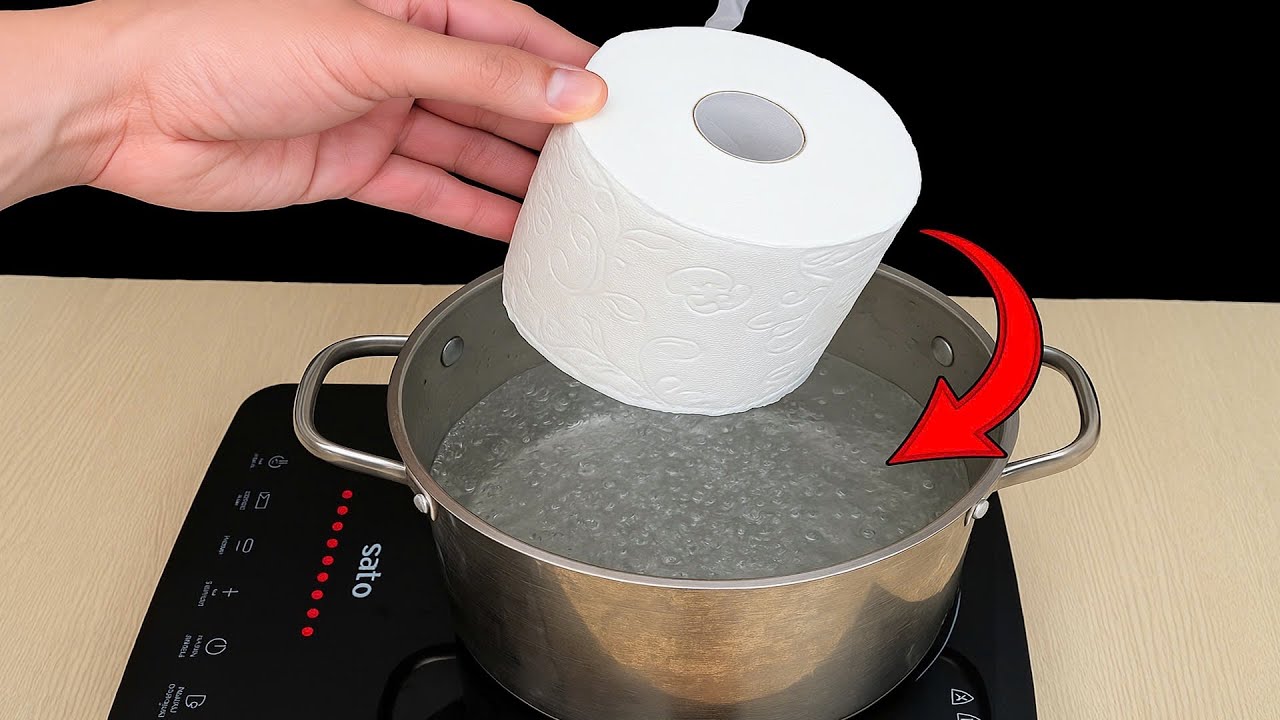
- The Boil: Remove the cardboard core. Place the toilet paper in a large pot of water and bring to a boil. Boil for 15 to 20 minutes until the paper has completely disintegrated into a mush.
- The Strain: Pour the mush into a fine-mesh strainer or a clean pillowcase. Squeeze out as much water as possible. You want the pulp to be damp but not dripping.
- The Shred: Tear the damp pulp into tiny, dime-sized pieces and place them in a large mixing bowl.
- The Mix: Add the joint compound, glue, flour, and oil to the pulp.
- The Knead: Use a hand mixer or knead by hand for about 10 minutes. You are looking for a consistency similar to cookie dough or bread dough. If it’s too sticky, add a little more flour; if it’s too dry, add a drop of glue.
- The Craft: Mold the clay over old glass bottles to make “stone” vases, or press it into molds.
- The Dry: Let your creations air dry for 24 to 48 hours. Once dry, you can sand them down to a smooth, marble-like finish and paint them.
Three Reasons This Secret Makes Money
- High Profit Margins: You are turning a $0.50 roll of paper into a decor piece that can sell for $30 to $50.
- Eco-Friendly Appeal: Modern consumers love “upcycled” and “sustainable” products. Marketing these as handmade, recycled art adds massive value.
- Durability: Unlike old-fashioned paper maché, this “boiled clay” doesn’t shrink or mold easily, making it a “professional” product you can ship worldwide.
A Friendly Tip for Success
To make your products look even more expensive, mix a little grey acrylic paint or coffee grounds into your clay to give it a “natural concrete” or “terrazzo” look. When you post your items online, use the words “sustainable home decor” and “hand-sculpted” to attract the right buyers. You’ll know the secret is working when people ask you what “stone” your beautiful vases are made of!