Beetroot is truly a nutrient-packed vegetable, brimming with vital vitamins, minerals, and antioxidants. While it boasts a plethora of health benefits, it’s equally crucial to be mindful of some potential drawbacks if you’re considering including it regularly in your meals. Whether you are already a fan of beets or just contemplating their addition to your diet, it’s important to understand the following information, especially for those aged 45 to 65.
Kidney Stones: Be Cautious
Beetroot contains oxalates, compounds that could encourage the formation of kidney stones, particularly in individuals predisposed to them. If you know you have a history of kidney stones, it’s advisable to enjoy beets in moderation. Engage in a conversation with your healthcare professional to figure out what quantity would be appropriate for your specific case.
Blood Pressure Concerns: Striking the Perfect Balance
Due to their nitrate content, beets are reputed for their ability to lower blood pressure. However, if you are already on blood pressure medication, an excessive beet intake might lower your blood pressure too much, resulting in dizziness or fainting. It’s always prudent to discuss with your doctor to determine a suitable amount of beet consumption, thus avoiding any unexpected incidents.
Beeturia: A Harmless but Colorful Surprise
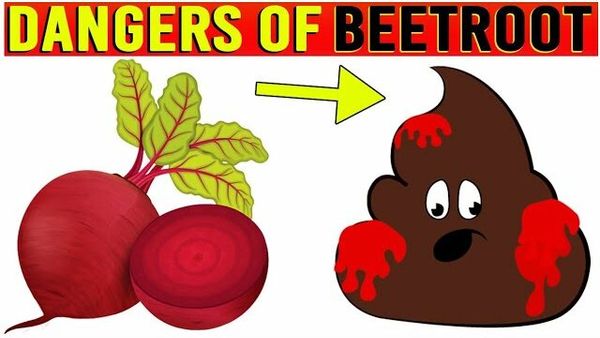
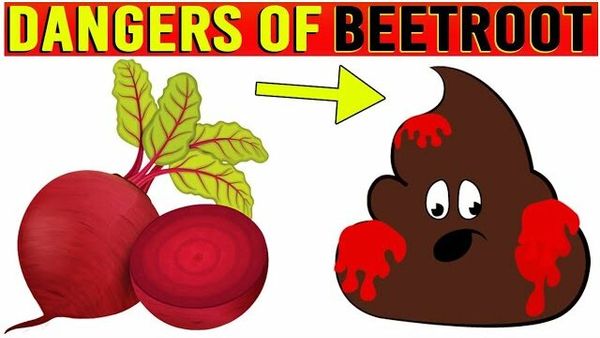
One fascinating effect of consuming beetroot is something called beeturia, which might cause your urine or stool to appear pinkish or reddish. While this may seem alarming initially, it is harmless. It’s best to anticipate such surprises, especially if they catch you off-guard!
Digestive Changes: Moderating Fiber Intake
Beets are rich in fiber, and this can be a little much for some people, resulting in bloating, gas, or stomach cramps, particularly for those with sensitive digestive systems. To steer clear of such discomforts, balance your beet consumption, paying attention to how your body responds.
Blood Sugar Levels: Keeping Control
Although beets have a low glycemic index, they are naturally sugary. For individuals managing diabetes, large portions of beetroot might lead to a spike in blood sugar levels. Monitoring your intake while balancing it with other wholesome foods can help you manage your blood sugar effectively.
Allergic Reactions: Rare Yet Possible
Although uncommon, some individuals could experience allergic reactions to beetroot, showing symptoms such as itching, hives, or swelling. If you encounter any allergic responses after consuming beets, it’s best to avoid them altogether. Prioritize your health and seek professional advice when necessary.
Calcium Absorption: Achieving Balance
Due to their high oxalate content, beets might impede calcium absorption, possibly impacting bone health over time if unbalanced with other sources of calcium. It’s wise to incorporate a variety of calcium-rich foods to maintain strong and healthy bones.
Final Insights: Enjoying Beets with Wisdom
Beetroot is undeniably a beneficial vegetable, offering a wealth of health advantages. Yet, as with all good things, moderation remains crucial. If you have pre-existing health conditions, consulting with a healthcare professional before making dietary changes is always a sound decision. Relish the nutritional goodness of beets by coupling them with a well-rounded diet, and your body will be grateful!