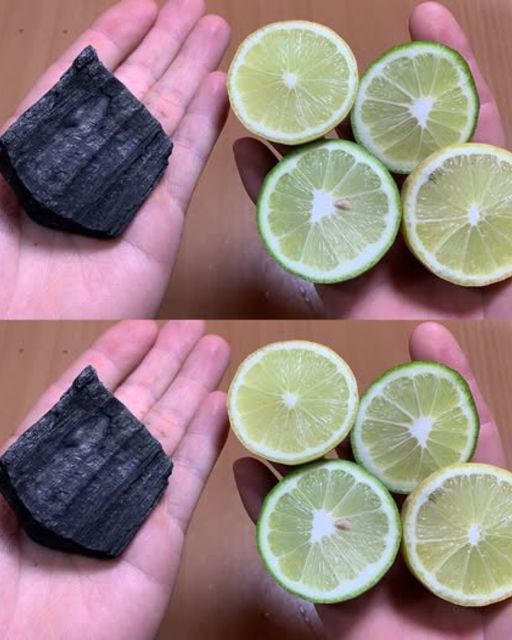
Combining fresh lemon juice with activated charcoal creates a powerful, natural cleaning and purifying agent that can replace several expensive products from the market. While charcoal is famous for its ability to trap impurities and neutralize odors, the citric acid in lemon acts as a natural solvent and whitener. Together, they form a “black gold” paste that is just as effective at deep-cleaning stubborn surfaces as it is at refreshing the air in your home.
Why This Combination Is So Effective
Activated charcoal has a massive surface area filled with tiny pores that act like a magnet for toxins, stains, and smells. Lemon juice provides the acidic punch needed to break down grease, mineral deposits, and grime. When mixed, they create a non-toxic scrub that is perfect for those who want to avoid the harsh chemical fumes often found in store-bought cleaners. This duo is especially useful for high-traffic areas like the kitchen and bathroom where odors and stains tend to accumulate.
Recipe: The All-Purpose Purification Paste
This simple mixture can be made in seconds and adjusted in thickness depending on how you intend to use it.
Ingredients: Two tablespoons of activated charcoal powder. The juice of one large, fresh lemon. One tablespoon of baking soda (for extra scrubbing power). A few drops of water (if needed to reach a paste consistency).
Instructions: Place the activated charcoal powder and baking soda in a small glass bowl. Slowly pour in the fresh lemon juice; the mixture will fizz slightly as the acid reacts with the baking soda. Stir with a wooden spoon until you have a smooth, thick paste. If the mixture is too dry, add water drop by drop until it looks like dark cake frosting.
How to Use Your Charcoal and Lemon Remedy
For deep-cleaning grout or removing stubborn stains from sinks and stovetops, apply the paste directly to the surface and let it sit for ten to fifteen minutes. Scrub gently with an old toothbrush and rinse thoroughly with warm water. You can also use this mixture to neutralize refrigerator odors: place a small bowl of the paste on a back shelf to absorb food smells for up to two weeks. Some even use a diluted version as a natural soak to remove waxy residues from store-bought fruits and vegetables.
A Gentle Tip for Success
Because activated charcoal is a very fine pigment, it can temporarily stain porous surfaces like unsealed wood or light-colored fabrics. Always test a small, hidden area before applying it widely. When you are finished cleaning, make sure to rinse the area well with water to ensure no black residue remains. This natural approach is a fantastic way to save money while keeping your home environment free from synthetic additives.