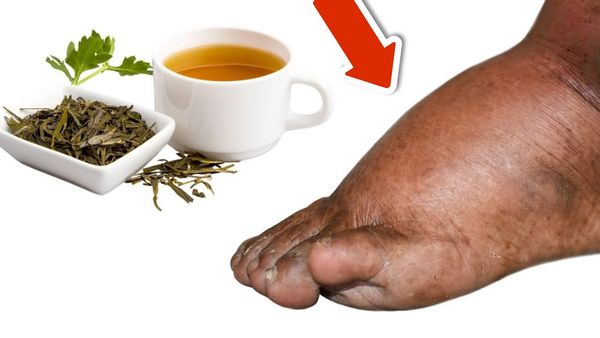
Are you tired of dealing with swollen legs, ankles, and feet? Look no further than parsley tea, a natural and effective remedy to reduce swelling and prevent fluid retention in your lower extremities. Parsley is more than just a garnish – it’s a powerhouse of vitamins and minerals, especially potassium, which plays a crucial role in balancing fluids in your body. By incorporating parsley tea into your daily routine, you can experience relief from swelling in a gentle and natural way.
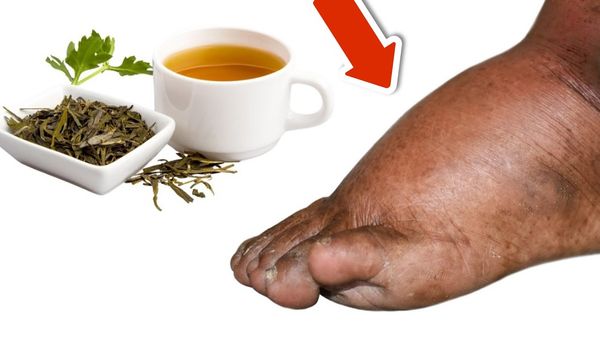
Benefits of Parsley Tea
Parsley is packed with antioxidants and essential vitamins like A, C, and K. These nutrients work together to eliminate excess fluids from your body, alleviating swelling and bloating. The diuretic properties of parsley promote increased urine production, helping to flush out excess salt and water. Say goodbye to the discomfort caused by swelling in your legs, ankles, and feet with the help of parsley tea.
How to Make Parsley Tea
Ingredients:
- A handful of fresh parsley (or 2 tablespoons of dried parsley)
- 1 quart (4 cups) of water
- Optional: Honey or lemon for taste
Instructions:
- Boil Water: Start by bringing the water to a boil in a pot.
- Add Parsley: Incorporate either fresh or dried parsley into the boiling water. If using fresh parsley, ensure it’s thoroughly washed to remove any impurities.
- Simmer: Lower the heat and allow the mixture to simmer for 5-10 minutes. The longer you simmer, the stronger the tea will be.
- Strain and Serve: Remove the pot from the heat, strain out the parsley, and pour the tea into a cup.
- Flavor Enhancements: For a delightful taste, consider adding honey or a splash of lemon.
Tips for Consumption
Frequency: Enjoy a cup of parsley tea once or twice a day to combat swelling, preferably in the morning or early afternoon to avoid frequent nighttime bathroom visits due to its diuretic properties.
Freshness: Opt for fresh parsley whenever possible to reap the maximum health benefits. Dried parsley can be a convenient alternative, but prioritize freshness and quality.
Hydration: While parsley tea acts as a diuretic, it’s essential to maintain hydration by drinking an ample amount of water throughout the day.
Precautions
Medical Conditions: If you have kidney issues or are on diuretic medications, seek advice from a healthcare provider before incorporating parsley tea into your routine.
Pregnancy: Pregnant individuals should limit their consumption of parsley tea to avoid any hormonal or fluid balance disruptions.
Medication Interference: Be cautious with parsley if you are on medications such as blood thinners or diuretics, and consult healthcare professionals for guidance.
Conclusion
Incorporating parsley tea into your daily regimen can work wonders in reducing swelling in your legs, ankles, and feet. Embrace the diuretic properties of parsley to effectively manage fluid retention. Remember, while parsley tea offers benefits, it’s essential to seek medical guidance for persisting or severe swelling issues. Prioritize your health and well-being by combining natural remedies with professional advice.