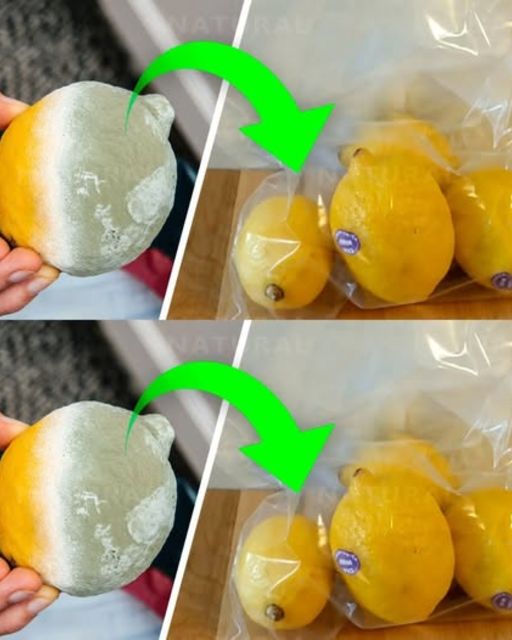
Lemons are notorious for drying out, turning hard, and losing their juice within a week when left on the countertop or tossed loosely in the fridge crisper. The culprit is dehydration; the porous yellow skin allows moisture to escape rapidly into the dry air of the refrigerator. However, a simple “water-seal” trick using a common plastic bag can stop this process in its tracks. By creating a high-humidity environment, you can keep your lemons as plump and juicy on day thirty as they were the day you bought them.
Why This Method is So Effective
The science behind this trick is quite simple: it’s all about moisture retention. When lemons are placed in a sealed plastic bag filled with water, the water acts as a protective barrier, preventing the air from pulling moisture through the peel. Because the lemon is surrounded by liquid, it cannot dehydrate. This prevents the zest from hardening and keeps the internal juice sacs from shrinking. Furthermore, storing them in the refrigerator slows down the natural ripening process, effectively hitting the “pause button” on the fruit’s decay.
Recipe: The “Long-Life” Lemon Preservation Kit
This method takes less than two minutes to set up and will save you from ever throwing away a shriveled lemon again.
Ingredients:
Fresh, firm lemons (as many as you need to store).
One large, high-quality Ziploc or silicone bag (ensure it is BPA-free).
Filtered water.
Instructions:
Select and Wash: Choose lemons that are heavy for their size and have no visible soft spots or mold. Rinse them under cool water to remove any surface dust.
Pack the Bag: Place the lemons inside the plastic bag. Do not overcrowd them; they should have a little space to be surrounded by water.
The Water Fill: Fill the bag with cool filtered water until the lemons are completely submerged.
Seal and Squeeze: Carefully squeeze out as much air as possible before sealing the bag tight. The goal is to have the lemons floating in a “water pocket” with minimal air bubbles.
Refrigerate: Place the bag in the main section of your refrigerator (avoid the very back where it might freeze).
How to Use Your Stored Lemons
When you are ready to use a lemon, simply reach in, grab one, and reseal the bag. If the water starts to look cloudy after a week or two, just pour it out and refill it with fresh, cool water. Because the lemons have been kept in a high-moisture environment, you will notice that they are much easier to squeeze and provide significantly more juice than a room-temperature lemon. This is particularly helpful for recipes requiring fresh zest, as the peel will remain soft and fragrant throughout the entire month.
A Gentle Tip for Success
If you don’t want to use a plastic bag, a large glass mason jar works just as effectively—simply fill the jar with water, add the lemons, and screw the lid on tight. This method is also excellent for limes, which tend to dry out even faster than lemons. By investing two minutes in this preservation technique, you’ll always have fresh citrus on hand for your morning ginger water, salads, or detox tonics, all while reducing food waste in your kitchen