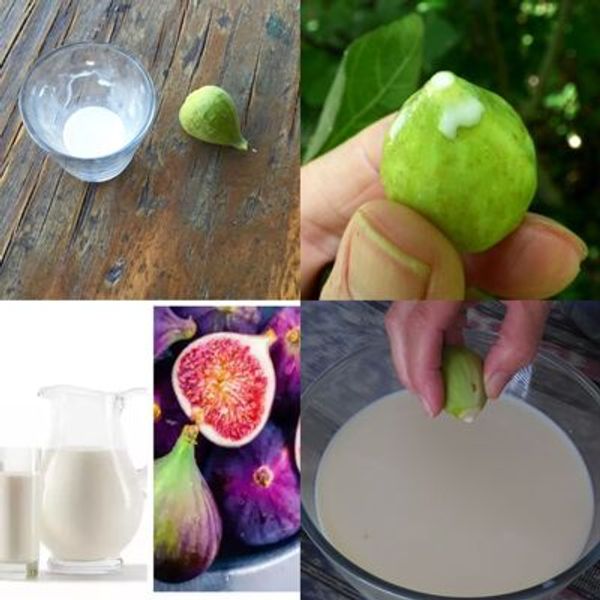
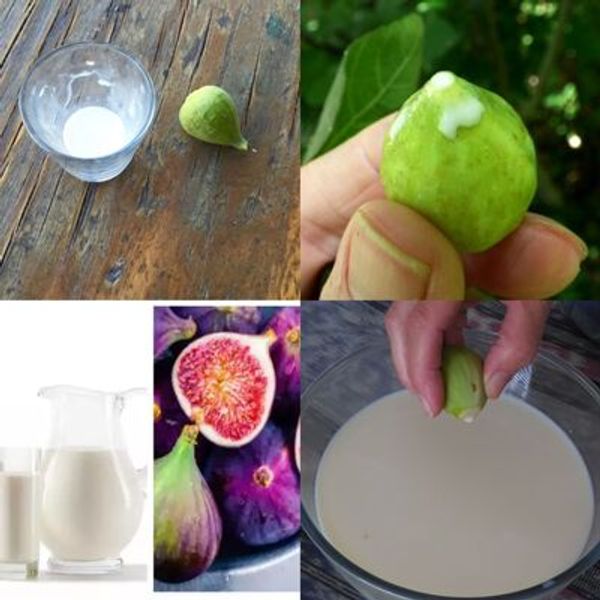
Hello, everyone! Did you know that fig trees are more than just a source of delicious fruit? These trees also produce a unique sap that can be quite useful. In this article, let’s discover how to collect and utilize fig sap safely, while supporting a more sustainable lifestyle.
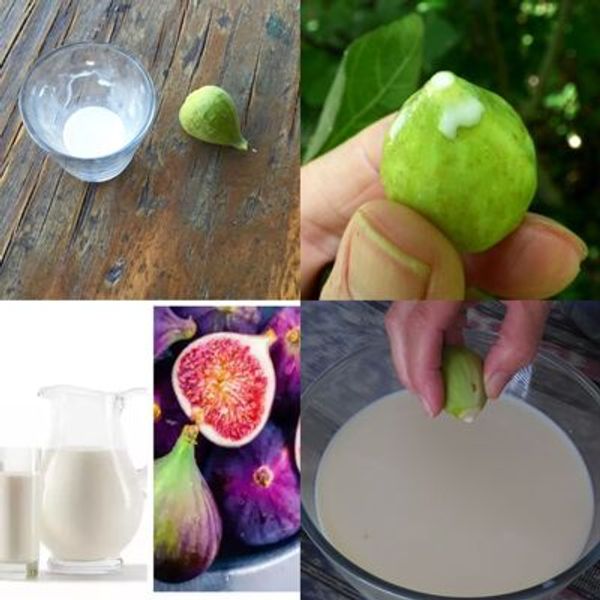
Before you begin your sap collecting journey, here are some vital things to consider:
Prioritize Safety
Fig sap contains latex, which may irritate your skin and eyes. Always protect yourself by wearing gloves and safety goggles when working with the sap.
Collect at the Right Time
The best period to gather fig sap is between late spring and early autumn. During this time, fig trees are vigorously growing, providing a generous sap flow.
Target Healthy Trees
Ensure you’re collecting sap from mature and healthy trees. This practice avoids putting stress on young or weakened trees, allowing them to thrive.
Essential Tools and Materials
Before dawns your tools and equipment, there’s a basic checklist you should prepare for effectively collecting fig sap.
Step-by-Step Guide to Collecting Fig Sap
Step 1: Prepare Your Tools
Use clean, sharp tools for the job. A neat cut will be less harmful to the tree.
Step 2: Select the Right Spot
Find a convenient place on either a branch or trunk for making an incision. Avoid areas that look diseased or damaged.
Step 3: Make a Small Incision
Gently cut into the bark of the tree. The incision should be shallow and no longer than a few inches to minimize any potential harm.
Step 4: Collect the Sap
Position a suitable container below the incision to gather the sap as it drips. Depending on the flow rate, it may take a few hours to collect enough sap.
Step 5: Seal the Cut
Once you have collected sufficient sap, seal the incision using a natural tree sealant or a smooth covering of mud to defend the tree against infections.
Uses of Fig Sap
Fig sap has long been valued across cultures for its versatile applications:
Natural Remedy
Diluted fig sap is traditionally used as a remedy for soothing skin irritations and wart treatment.
Culinary Delights
After suitable processing, fig sap can also act as a coagulant in the preparation of dairy-free cheese.
Gardening Solutions
Applying fig sap to other plants serves as a natural deterrent to pests, supporting your gardening efforts.
Collecting and using fig sap is both a fulfilling activity that fosters a deeper connection with nature and a beneficial practice fitting into an eco-friendly, sustainable way of living. By following the guidelines provided, you can safely gather fig sap and enhance your environmental consciousness.
Safety Reminder
Before using fig sap, always perform a patch test with diluted sap to check for any allergic reactions. If you’re uncertain about handling or applying fig sap, be sure to consult with a professional for guidance.