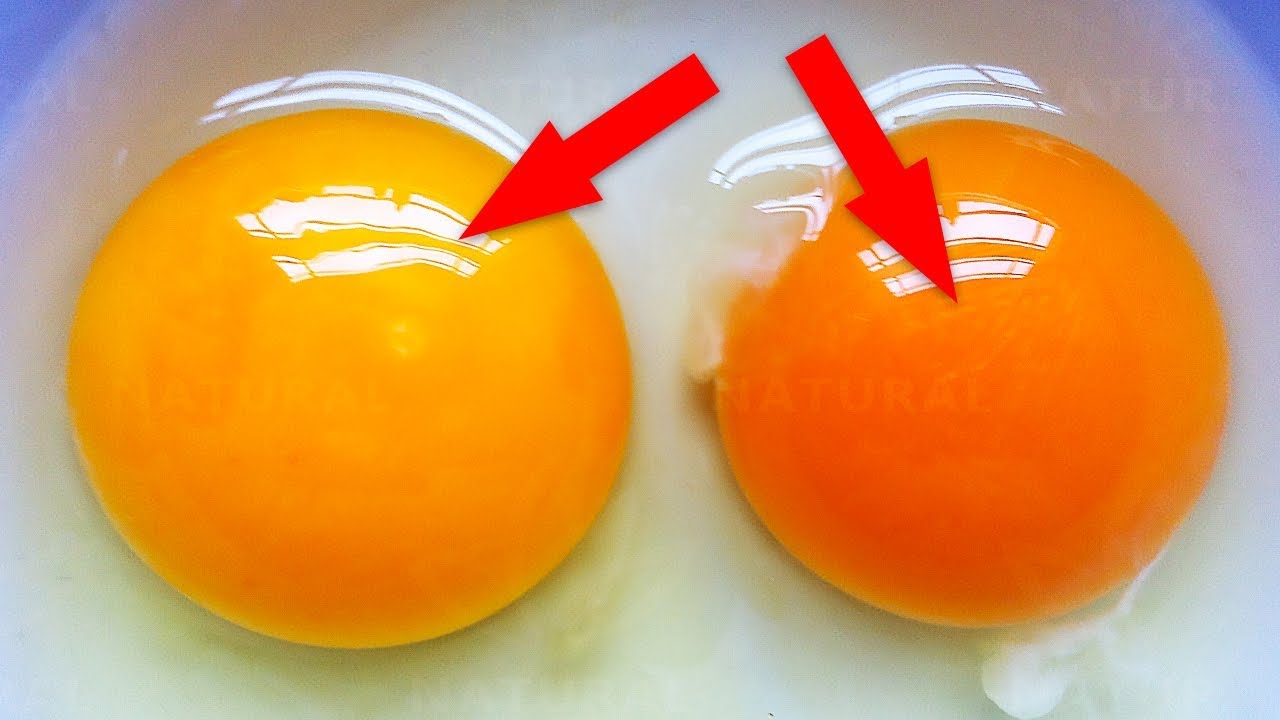
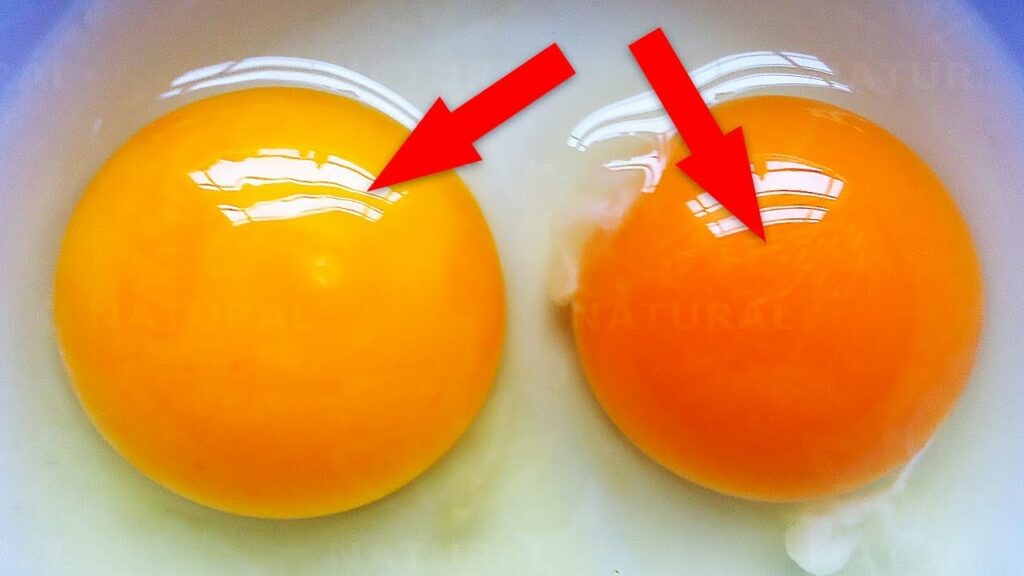
Have you ever cracked open an egg and noticed that the yolk’s color varies from pale yellow to a deep orange? You may have wondered if the color of the yolk means something about the egg’s quality, nutrition, or taste. Here’s what the color of your egg yolk really means.
1. Diet of the Hen
The primary factor that affects yolk color is the diet of the hen. Hens that eat a nutrient-rich diet, including green plants, insects, seeds, and grains, produce yolks that are darker and more vibrant in color. Hens fed a diet primarily of corn or wheat often produce lighter, pale yellow yolks.
2. Darker Yolks Are Richer in Nutrients
A deep orange or dark yellow yolk usually indicates higher levels of nutrients, such as omega-3 fatty acids, carotenoids, and vitamins. These nutrients come from the hen’s access to natural food sources, such as grasses and insects. Darker yolks tend to have more vitamin A and antioxidants like beta-carotene, which contribute to the yolk’s rich color.
3. It Doesn’t Affect Taste
While a darker yolk may seem like it would offer a richer taste, there’s no scientific evidence that yolk color directly impacts the flavor of the egg. The taste is more influenced by the hen’s overall diet and living conditions. Eggs with pale yolks can still taste just as good as those with dark yolks.
4. No Indicator of Egg Freshness
The color of the yolk has nothing to do with the freshness of the egg. Freshness is determined by how long the egg has been stored. To check for freshness, you can do the float test—place the egg in water. If it sinks, it’s fresh; if it floats, it’s time to discard it.
5. Free-Range vs. Factory-Farmed Eggs
Eggs from free-range hens, which have access to a more diverse diet, typically have darker yolks. Factory-farmed eggs often come from hens fed a processed, grain-heavy diet, resulting in lighter yolks. However, some commercial farms add color-enhancing additives to the feed to artificially darken the yolk.
6. Health Benefits of Dark Yolks
Yolks with a rich orange hue are often higher in lutein and zeaxanthin, two carotenoids that support eye health. These nutrients can help protect against age-related vision problems like macular degeneration and cataracts.
Conclusion
The color of your egg yolk reflects the diet of the hen, and darker yolks are usually more nutrient-dense. While yolk color doesn’t necessarily impact taste or freshness, opting for eggs from hens raised in natural, free-range environments often means you’re getting more nutritious eggs.
So next time you crack an egg, take a moment to appreciate the color of the yolk—it’s a little clue into the health and diet of the hen that laid it!