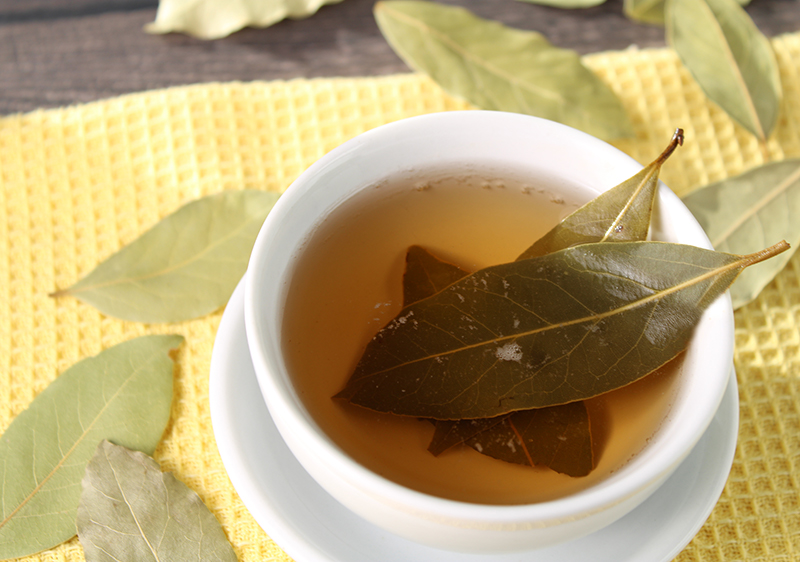
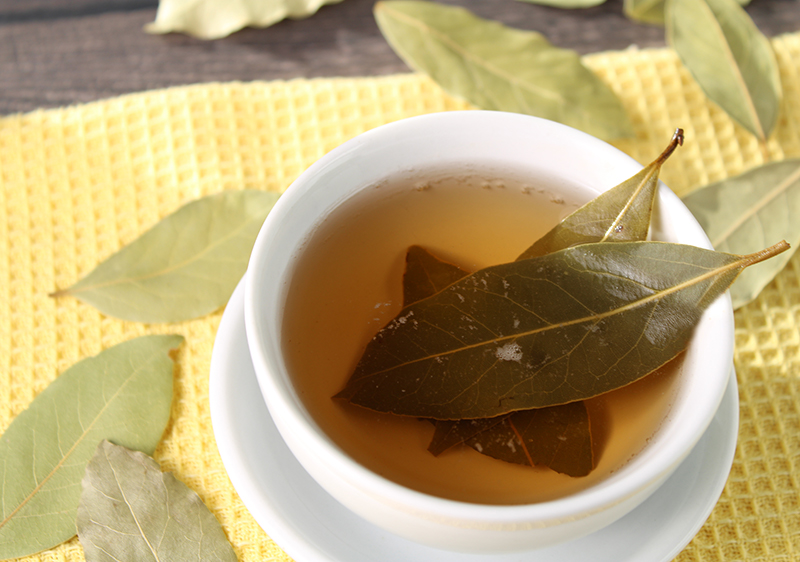
Bay leaves are commonly used in cooking for their aromatic properties, enhancing the flavors of soups, stews, and sauces. However, boiled bay leaf tea offers more than just culinary benefits. Here are three unusual and creative ways to use boiled bay leaf tea beyond the kitchen:
1. Natural Insect Repellent
Bay leaves contain compounds like cineole and eucalyptol, which are known to repel insects naturally. Boiled bay leaf tea can be used as an eco-friendly insect repellent spray. Here’s how:
- How to Prepare: Boil a handful of bay leaves in a pot of water for 20 minutes to create a concentrated decoction.
- Application: Allow the tea to cool, then pour it into a spray bottle. Spray it around your home, on window sills, doorways, and other areas where insects are likely to enter. You can also use it directly on plants as a natural insecticide.
2. Relaxing Bath Soak
The aromatic properties of bay leaves can transform your bath into a therapeutic experience, helping to relieve stress and soothe the skin.
- How to Prepare: Add a strong brew of bay leaf tea to your bathwater. For enhanced relaxation, you can simmer the bay leaves longer to extract more oils and aromas.
- Benefits: The natural oils in bay leaves can help soothe irritated skin and relieve aching muscles. The scent of the bay leaves also helps to de-stress and relax your mind as you soak.
3. Hair Rinse for Shine and Health
Bay leaf tea can be used as a natural hair rinse to promote a healthy scalp and shiny hair. It has properties that can help remove dandruff and strengthen hair roots.
- How to Prepare: Boil a few bay leaves in water and let it steep until it cools to a comfortable temperature.
- Application: After shampooing, use the strained bay leaf tea as a final rinse over your hair. Gently pour the tea over your scalp and hair, massaging it into your scalp for a minute or two.
- Benefits: Bay leaf tea helps to stimulate blood circulation to the scalp, reduce dandruff, and impart a natural shine to your hair. It may also help in managing scalp infections due to its antimicrobial properties.
Conclusion
While bay leaves are a staple in culinary uses, their benefits extend into natural home remedies, personal care, and more. Boiled bay leaf tea, with its versatile applications, is a testament to the adaptability and utility of this humble herb. Try incorporating these unusual uses into your routine to make the most of bay leaves in new and beneficial ways.