
As we grow older, it’s crucial to pay attention to changes in our bodies, especially those that may seem minor. Swollen feet can often be dismissed as a mere inconvenience, but they may signal underlying health issues that need attention. Today, we’re going to explore some important warning signs related to swollen feet that you should never ignore.

Deep Vein Thrombosis
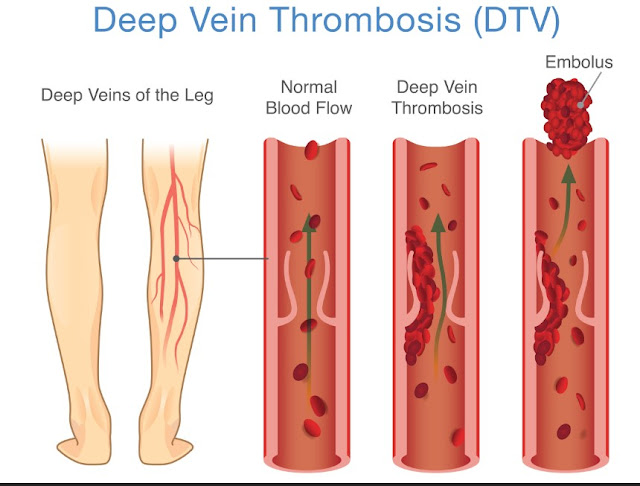
One potential cause of swollen feet is deep vein thrombosis (DVT). DVT occurs when a blood clot forms in a deep vein, often in the leg. This condition can lead to serious complications such as a pulmonary embolism if a part of the clot breaks off and travels to the lungs. If you notice swelling in one foot alongside pain, redness, or warmth, it’s important to seek medical advice promptly.
Heart Issues
An unexpected reason for swollen feet can be heart problems, particularly congestive heart failure. When the heart is unable to pump efficiently, it can lead to fluid buildup around the legs and feet. If you experience sudden or persistent swelling in the feet, especially when accompanied by shortness of breath or fatigue, it warrants a visit to the doctor.
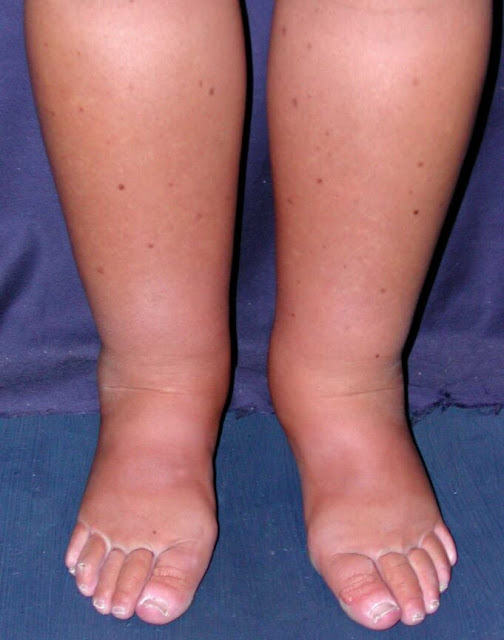
An image depiction of swollen feet due to fluid buildup can often help in understanding the severity, as shown above in the heart-related swelling image.

Kidney Problems
Your kidneys play a crucial role in filtering out waste and balancing fluids in your body. When they fail to function properly, it can lead to fluid retention, showing up as swollen feet and ankles. Noticing increase in swelling, especially along with foamy urine or a decrease in urine output, should prompt a discussion with your healthcare provider.

Liver Disease
Another silent culprit of swollen feet is liver disease. When your liver is compromised, it can lead to a condition called cirrhosis where the liver’s ability to produce proteins and process fluid is impaired. This results in fluid accumulation, visible in the feet. Watch out for symptoms such as yellowing skin or eyes alongside foot swelling.

Medications
Certain medications can also prompt swelling in your feet. For instance, drugs for controlling blood pressure, steroids, antidepressants, and hormones could all lead to water retention. If you’ve started any new medication and notice swelling, it’s worth checking with your doctor to see if it might be the cause.
Lymphatic Obstruction
When your lymphatic system is blocked or damaged, causing fluid to collect in the extremities, it can lead to a condition known as lymphedema. The feet and legs can become quite swollen and heavy. If you notice persistent swelling accompanied by feeling heavy in the legs, it’s a good idea to seek medical assessment.

Pregnancy-Induced Swelling
For women, pregnancy can naturally lead to swollen feet due to the increased pressure on the blood vessels. However, if accompanied by severe swelling, headaches, and vision changes, it could indicate a condition called preeclampsia, which requires immediate medical attention.

Infections
Infections can lead to swelling in the feet, especially for individuals with diabetes. A small cut or blister can quickly escalate to a serious infection. If you experience warmth, redness, or an unusual change around the swollen area, do seek medical advice to rule out an infection.

Aging gracefully involves staying informed about your health and understanding the signals your body sends. If you’re experiencing persistent swollen feet, consider consulting a healthcare professional to explore potential causes and get appropriate treatment. Remember, change is part of growing older, but addressing it can lead to better health and peace of mind.