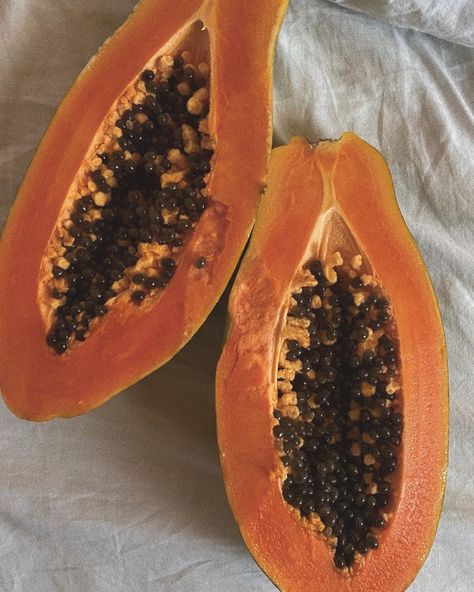
For those keeping an eye on their blood sugar levels, choosing the right fruits is crucial. Papaya, a tropical fruit known for its vibrant color and sweet taste, is often questioned for its effect on blood sugar. Let’s delve into whether consuming papaya can raise blood sugar levels and how it can fit into a balanced diet.
Nutritional Profile of Papaya
Papaya is rich in vitamins C and A, both known for their antioxidant properties, and is also a good source of fiber and folate. The natural sugars in papaya, mainly fructose, are where concerns about blood sugar levels arise. However, due to its composition, the overall impact of papaya on blood sugar might be less than expected.
Glycemic Index and Papaya
The glycemic index (GI) is a useful tool to assess how much a particular food can raise blood sugar levels. Foods with a high GI are digested and absorbed quickly, leading to a spike in blood sugar, whereas foods with a low GI have a slower absorption rate, which helps in maintaining more stable blood sugar levels.
Papaya has a low to medium glycemic index (GI of 59 or less), which means it does not cause a significant spike in blood sugar when eaten in moderation. This makes it a suitable choice for those managing diabetes or pre-diabetes, as part of a balanced diet.
Benefits of Fiber in Papaya
The fiber in papaya is a key factor in its impact on blood sugar levels. Fiber slows the absorption of sugar into the bloodstream, providing a steadier increase rather than a spike. Including fibrous foods like papaya can be beneficial in managing long-term blood sugar levels.
How to Incorporate Papaya into a Diabetes-Friendly Diet
- Moderation is Key: Just because papaya has a lower GI doesn’t mean it can be consumed in unlimited quantities. Portion control is essential to avoid excessive sugar intake.
- Pairing with Protein or Healthy Fats: Combining papaya with a protein or a healthy fat can help further slow the absorption of sugar, making it even more manageable for blood sugar levels. Try eating papaya with a handful of nuts or a serving of Greek yogurt.
- Monitor Individual Response: Individual responses to foods can vary significantly. It’s advisable for those with diabetes to monitor their blood sugar levels after consuming new foods like papaya to see how their body reacts.
Conclusion
Papaya can be a nutritious and tasty addition to a diabetes-friendly diet when consumed wisely. Its low to medium GI, coupled with its fiber content, helps in minimizing its impact on blood sugar levels, making it a favorable choice for those looking to manage their intake of sugars. As with all dietary choices, moderation and careful monitoring are key to incorporating papaya into your diet without negatively affecting your blood sugar.