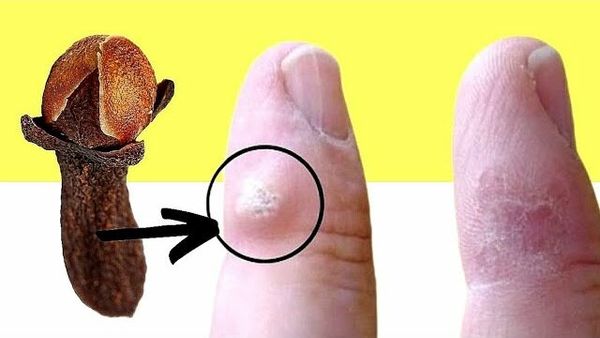
Are you tired of dealing with pesky warts? Look no further than your spice rack! Cloves, with their antiseptic and anti-inflammatory properties, are a popular home remedy for various ailments, including warts. While it may take more than 24 hours to completely eliminate warts, cloves can help reduce their size and discomfort over time. Let’s dive into a step-by-step guide on how to use cloves effectively for wart removal.
The Benefits of Cloves for Warts
Cloves contain eugenol, a compound known for its powerful antimicrobial abilities. This natural ingredient can help fight the virus causing the wart, making it an excellent ally in your battle against warts. Additionally, eugenol acts as a natural pain reliever, providing soothing relief from the discomfort often associated with warts.
How to Use Cloves for Wart Removal
Ingredients:
- Clove oil (a more concentrated form of cloves and easier to apply)
- Carrier oil (such as coconut oil or olive oil, to dilute the clove oil)
- Cotton swabs or a small brush
- Bandage or medical tape
Instructions:
Step 1: Dilute Clove Oil
- Mix a few drops of clove oil with a carrier oil to dilute it. This step is crucial as clove oil is potent and can cause skin irritation if applied directly.
Step 2: Apply to the Wart
- Dip a cotton swab or small brush into the oil mixture.
- Gently apply a small amount of the diluted clove oil directly to the wart, ensuring to avoid the surrounding skin to prevent irritation.
Step 3: Cover the Area
- Cover the treated wart with a bandage or medical tape. This serves two purposes: keeping the clove oil in place for a longer duration and preventing the spread of the virus.
Step 4: Repeat Daily
- Continuously apply the clove oil mixture to the wart daily. While it may not vanish within a day, consistent application can lead to visible improvement within a few days to weeks.
Step 5: Monitor the Wart
- Keep a close watch on the wart and the neighboring skin for any signs of irritation or allergic reactions. If any adverse effects occur, discontinue use and consult a healthcare provider.
Additional Tips
Test for Allergic Reactions
- Before applying clove oil, especially for the first time, it’s wise to do a patch test on a small area of your skin. This will help determine if you’re allergic to it, ensuring a safe experience.
Consult a Professional
- For persistent or painful warts, or if you have concerns about treating them at home, it’s best to consult a healthcare provider or dermatologist. They can provide guidance and recommend conventional treatments if needed, such as cryotherapy, salicylic acid treatments, or other remedies.
Using cloves as a home remedy for warts can be a natural and effective solution, but remember, patience and consistent application are key to achieving the desired results. So why not give cloves a try and bid farewell to those bothersome warts?