Introduction to Stroke Awareness
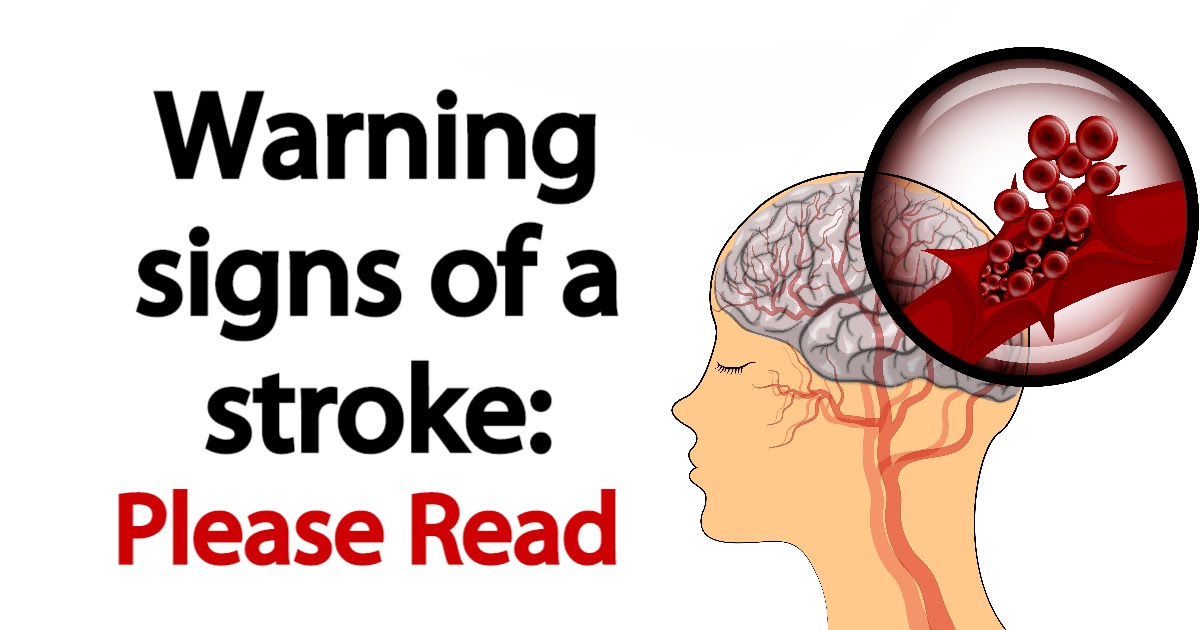
Understanding the warning signs of a stroke could be life-saving. A stroke is a medical emergency, and getting prompt treatment is crucial. Knowing the symptoms helps in making quick decisions which can prevent long-lasting disabilities or even save a life.
Recognizing the Symptoms
When it comes to strokes, every minute counts. The quicker you can identify the signs, the faster you can seek help. Here are some common indicators:
Sudden Numbness or Weakness: Look out for sudden numbness or weakness in the face, arm, or leg, especially on one side of the body. This is one of the most distinctive signs of a stroke.
Confusion and Trouble Speaking: A stroke might cause sudden confusion, trouble speaking, or difficulty understanding speech. If you or someone you know suddenly can’t express themselves clearly, it’s time to seek help.
Vision Problems: Sudden trouble seeing in one or both eyes, or experiencing double vision, is a warning sign. The interruption of blood flow affects your eyes as well.
Dizziness or Loss of Balance: Experiencing dizziness, loss of balance, or lack of coordination can indicate a stroke. This might make walking problematic or even impossible.
Severe Headache: The sudden onset of a severe headache with no known cause can be a symptom of a stroke. Sometimes described as the “worst headache” ever felt, it calls for immediate attention.
Immediate Action and Treatment
If you suspect someone is having a stroke, you should act immediately. Call emergency services or get to a hospital as soon as possible. Quick medical intervention is crucial for the most positive outcome.
Doctors often use the acronym FAST to remember the main symptoms:
Face drooping: Check if one side of the face is drooping.
Arm weakness: Instruct the person to raise both arms. Notice if one arm drifts downward.
Speech difficulty: Listen for slurred or strange speech. Ask the person to repeat a simple sentence.
Time to call: If you observe any of these symptoms, time is of the essence. Call emergency services immediately.
Understanding the Underlying Causes
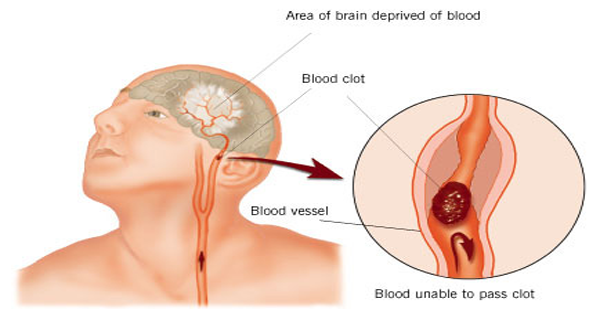
Strokes can occur due to various reasons, but most commonly, they are caused by a blockage in an artery carrying blood to the brain or by bursting of a blood vessel. This disrupts the flow of oxygen-rich blood, leading to the death of brain cells.
Ischemic strokes, the most common type, result from blockages, like blood clots. Hemorrhagic strokes are due to bleeding in or around the brain. It’s crucial to understand these causes when discussing treatment and prevention.
Prevention: Steps You Can Take
There are ways to reduce your risk of having a stroke. Consider the following steps for a healthier lifestyle:
Maintain a Healthy Diet: Eating a well-balanced diet rich in fruits and vegetables and low in saturated fat can reduce your risk. Limiting salt intake is also beneficial for maintaining healthy blood pressure levels.
Exercise Regularly: Engaging in regular physical activities is key. Aim for at least 30 minutes of exercise on most days. Activities like walking, swimming, or cycling can improve cardiovascular health.
Monitor Blood Pressure: Keeping an eye on your blood pressure is vital. High blood pressure is a significant risk factor for strokes.
Avoid Smoking and Excessive Alcohol Consumption: Smoking and excessive drinking significantly increase your risk. Quitting smoking and moderating alcohol intake can dramatically lower your chances of having a stroke.
Conclusion: Prioritize Your Health
Being aware of stroke symptoms and understanding the importance of rapid response can save lives. By adopting healthy lifestyle habits and staying informed, you can greatly reduce your risk and be better prepared to act if a stroke occurs. Remember, when it comes to strokes, time lost is brain lost.