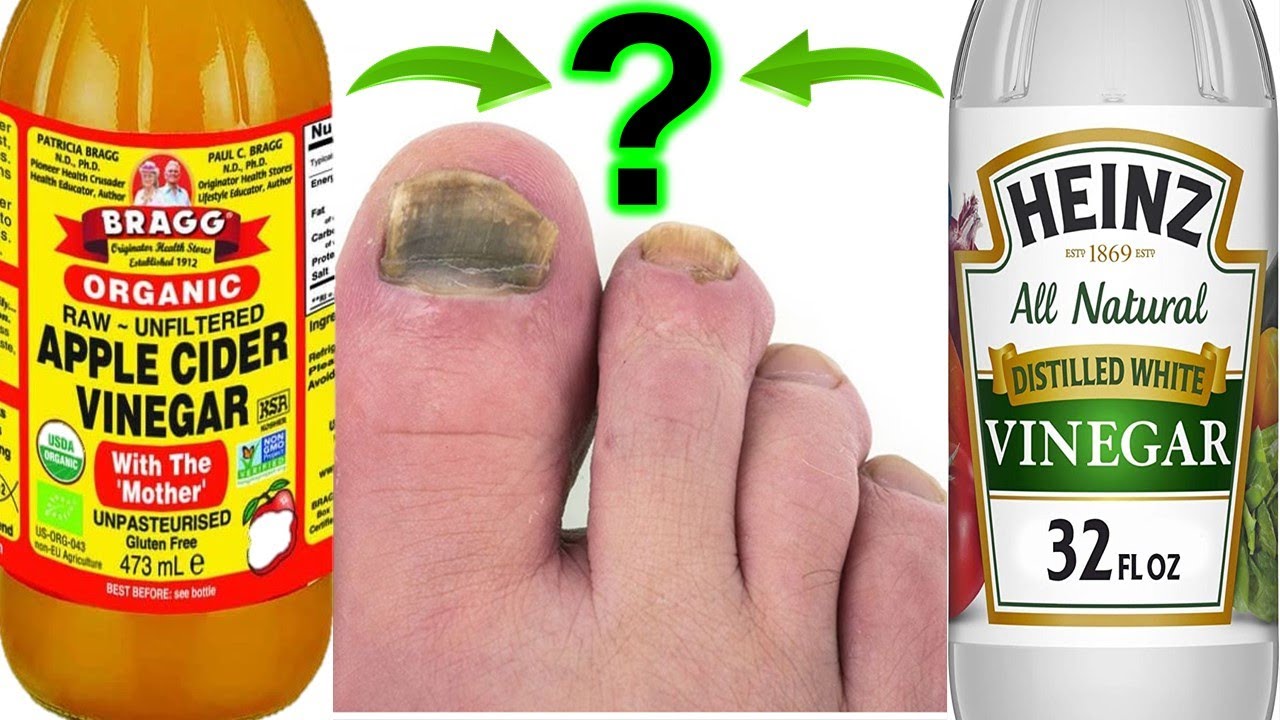
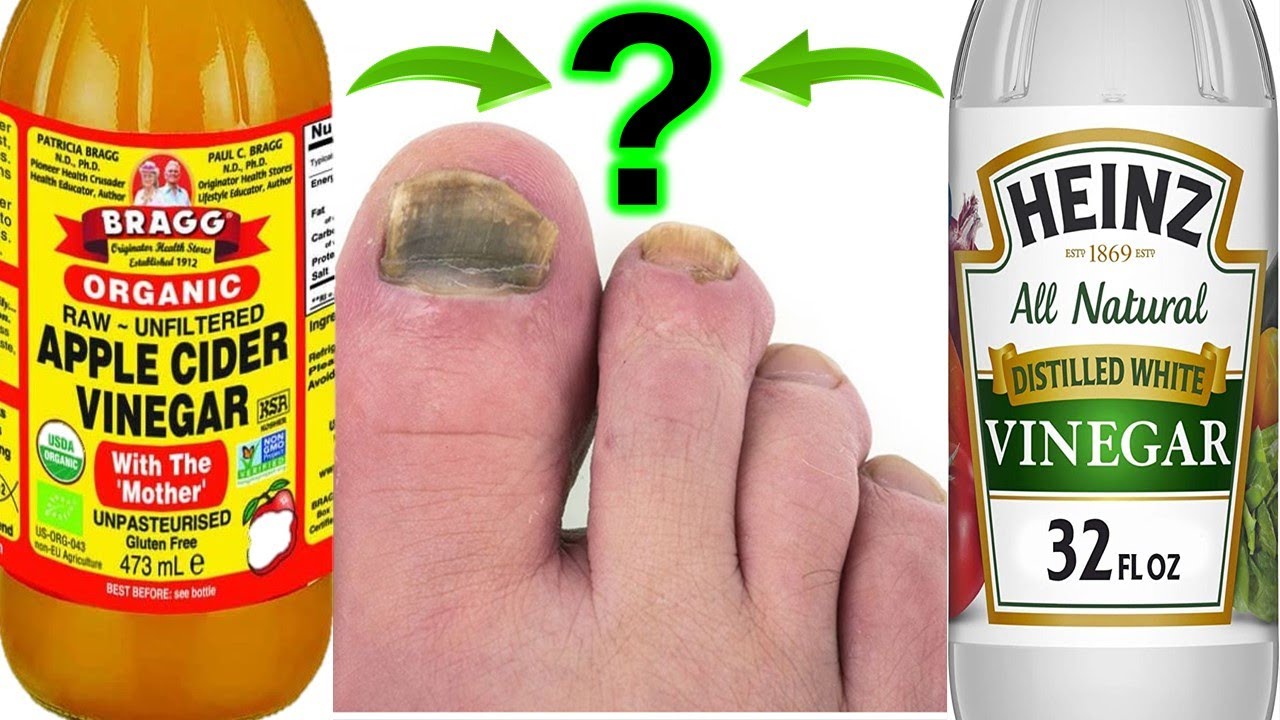
Both white vinegar and apple cider vinegar (ACV) are popular home remedies for toenail fungus due to their antifungal properties. While they share some similarities, each has unique characteristics that may make one more suitable than the other depending on your needs. Let’s compare them and see which one might be better for treating toenail fungus.
Why Vinegar Works for Toenail Fungus
Vinegar is acidic (acetic acid) and can help lower the pH of the affected area, creating an environment that is hostile to fungal growth. Over time, this can inhibit the spread of the infection and promote healthier nails.
Apple Cider Vinegar
Pros:
- Mild on Skin: ACV is less acidic than white vinegar, making it gentler on sensitive skin.
- Rich in Nutrients: It contains vitamins, minerals, and probiotics, which may provide additional benefits for skin health.
- Antifungal and Antibacterial Properties: The natural antifungal properties of ACV can combat toenail fungus effectively.
Cons:
- Cost: ACV is usually more expensive than white vinegar.
- Slightly Less Acidic: It may take longer to see results due to its lower acidity compared to white vinegar.
White Vinegar
Pros:
- Stronger Acidity: White vinegar has a higher concentration of acetic acid, which can make it more effective at killing fungus quickly.
- Cost-Effective: It’s cheaper and more readily available than ACV.
- No Added Components: It’s pure acetic acid diluted in water, which means there are no additional compounds to potentially irritate sensitive skin.
Cons:
- Harsh on Skin: Its stronger acidity may cause irritation, especially for people with sensitive skin or open cuts around the toenail.
- Lack of Additional Nutrients: Unlike ACV, white vinegar lacks probiotics and beneficial enzymes.
How to Use Vinegar for Toenail Fungus
Foot Soak Recipe (For Both ACV or White Vinegar):
- Mix 1 part vinegar (ACV or white vinegar) with 2 parts warm water in a basin.
- Soak your feet for 15-20 minutes daily.
- Pat your feet dry thoroughly after soaking.
- Repeat daily until the infection improves (this may take weeks or months).
Choosing Between the Two
- For Sensitive Skin: Apple cider vinegar is gentler and better for individuals with sensitive skin or existing irritation.
- For Quick Results: White vinegar may be more effective due to its higher acidity, but it should be used with caution to avoid skin irritation.
- Cost Considerations: White vinegar is more budget-friendly and widely available.
Precautions
- Consistency is Key: Treating toenail fungus with vinegar requires patience, as it often takes weeks or months to see noticeable improvement.
- Test First: Perform a patch test on a small area of skin before soaking to ensure there’s no adverse reaction.
- Severe Infections: If the fungus is severe, persistent, or causing pain, consult a healthcare provider for professional treatment options.
Conclusion
Both white vinegar and apple cider vinegar can be effective for toenail fungus, but the choice depends on your personal needs. If you have sensitive skin, opt for apple cider vinegar. If you’re looking for a more affordable and potentially faster option, white vinegar may be better. Regardless of the choice, consistency and proper foot care are critical for achieving the best results.