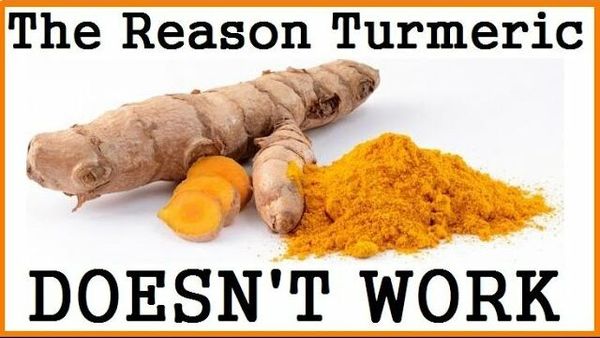
Turmeric is often praised for its powerful anti-inflammatory and antioxidant properties. However, some people may not experience the expected benefits of turmeric. Let’s explore the reasons why and find solutions to address these issues.
1. Poor Absorption in the Body
The active ingredient in turmeric, curcumin, has low bioavailability, making it difficult for the body to absorb. This limits its effectiveness.
Solution:
- Combine turmeric with black pepper, which contains piperine. Piperine can increase curcumin absorption by up to 2000%.
- Pair turmeric with a fat source like coconut oil or olive oil, as curcumin is fat-soluble.
2. Insufficient Dosage
The curcumin content in turmeric is relatively low, making it challenging to achieve significant results by consuming small amounts in food or tea.
Solution:
- Consider using a high-quality turmeric or curcumin supplement with standardized curcumin content.
- For general health benefits, aim for 500–1000 mg of curcumin per day. However, it’s always best to consult a healthcare provider for personalized advice.
3. Lack of Consistency
To experience the benefits of turmeric, consistent and long-term use is often necessary. Sporadic consumption may not provide the sustained anti-inflammatory and antioxidant effects needed for noticeable changes.
Solution:
- Make turmeric a part of your daily routine by incorporating it into your food, tea, or supplements.
- Stay consistent for at least 4–8 weeks to observe results.
4. Underlying Health Issues
If you have chronic inflammation, severe pain, or other health conditions, turmeric alone may not be enough to address these issues effectively. It works best when combined with a holistic approach to health.
Solution:
- Combine turmeric with a healthy diet, regular exercise, and other treatments recommended by your doctor.
- Pair it with other anti-inflammatory foods like ginger, green tea, and leafy greens.
5. Poor-Quality Turmeric Products
Not all turmeric products are of equal quality. Some low-quality turmeric powders may be diluted with fillers or lack sufficient curcumin content, reducing their effectiveness.
Solution:
- Choose organic, high-quality turmeric powder or supplements from reputable brands.
- Look for third-party testing and labels indicating high curcumin content.
6. Unrealistic Expectations
It’s important to understand that turmeric is not a quick fix or miracle cure. Its effects are gradual and cumulative, often working subtly to support overall health rather than producing overnight results.
Solution:
- Manage your expectations and recognize that turmeric is most effective as a preventative and complementary treatment.
7. Drug or Health Interactions
Certain medications or health conditions may interfere with the effectiveness of turmeric. If you’re on blood thinners or have gallbladder issues, turmeric might not be suitable for you.
Solution:
- Consult a healthcare provider before starting turmeric, especially if you’re on medication or have a chronic condition.
In conclusion, the effectiveness of turmeric depends on how it’s prepared, consumed, and integrated into your lifestyle. By addressing issues like absorption, dosage, and consistency, you can unlock the full potential of this golden spice. Remember, patience and the right approach are key to reaping its benefits.