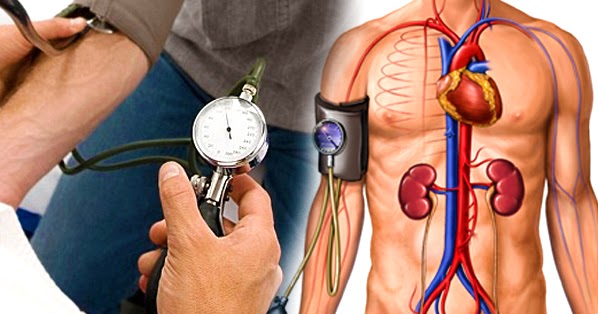
When it comes to understanding blood pressure, many people have long held the belief that a reading of 120 over 80 is the gold standard for what’s considered normal. However, recent studies and medical insights suggest that this may not be entirely accurate for everyone, particularly as we age. It’s crucial to have a deeper understanding of what these numbers represent and how they apply to your individual health profile.
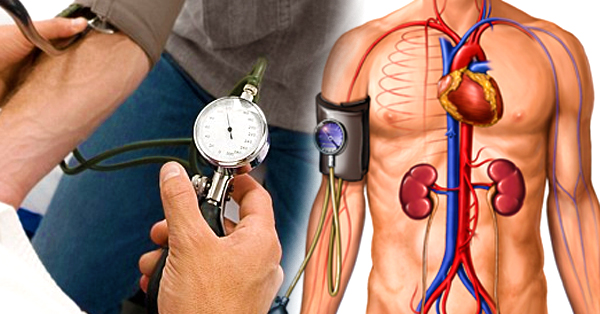
Understanding Blood Pressure Readings
Blood pressure is measured using two numbers. The first, known as systolic pressure, measures the pressure in your arteries when your heart beats. The second, diastolic pressure, measures the pressure in your arteries when your heart rests between beats. While 120/80 has traditionally been labeled as ‘normal,’ this baseline may not be applicable to everyone, especially those in the age group of 45 to 65. It’s important to consider individual health factors and not just rely on this standard reading.
The Evolution of Guidelines
In the past, 120/80 was regarded as the benchmark. However, newer guidelines introduced by health organizations have shifted this perspective. These changes are partly due to a better understanding of how blood pressure impacts health over time. The standards now account for variations in individuals due to factors like age, lifestyle, and existing health conditions.
Reasons for Changing Norms
There are several reasons why these blood pressure norms are evolving. One primary factor is the increasing acknowledgment of how other health conditions affect blood pressure. Conditions like diabetes, kidney disease, and obesity can significantly impact an individual’s ideal blood pressure range. Moreover, as medical research evolves, we now understand that a ‘one-size-fits-all’ approach may not be appropriate.
Tailoring Blood Pressure Goals to Individuals
For older adults, maintaining a slightly higher blood pressure may sometimes be beneficial. For example, a slightly elevated systolic reading might help ensure adequate blood flow, preventing instances of dizziness and falls. On the other hand, for younger adults, stricter control might be needed to prevent the onset of hypertension. It’s important for individuals to work closely with their healthcare providers to determine what blood pressure range is optimal for their specific health needs.
The Impact of Lifestyle on Blood Pressure
Lifestyle choices play another critical role in determining blood pressure. Factors like diet, exercise, stress management, and sleep significantly influence these readings. Engaging in regular physical activity, consuming a diet rich in fruits and vegetables, managing stress effectively, and ensuring adequate sleep can help maintain healthy blood pressure levels.
Monitoring Your Blood Pressure Regularly
As you age, regular monitoring of your blood pressure becomes increasingly important. With age, the risk of blood pressure-related health issues tends to rise. Keeping track of your readings at home using a reliable blood pressure monitor can provide crucial insights into your cardiovascular health and help catch potential issues early.
When to Seek Medical Advice
If you consistently notice abnormal blood pressure readings, it’s wise to consult a healthcare provider. Anomalies might suggest underlying health concerns that require professional assessment and intervention. Your doctor can offer guidance on lifestyle changes and, if necessary, prescribe medications to help manage your blood pressure effectively.
In summary, while 120/80 has traditionally been viewed as the standard for normal blood pressure, this guideline is not universally applicable. It’s essential to consider the full picture of your health, including age, lifestyle, and other medical conditions, when determining what the optimal blood pressure range is for you. As medical understanding evolves, so too will the parameters that define normal blood pressure, highlighting the importance of personalized healthcare.