
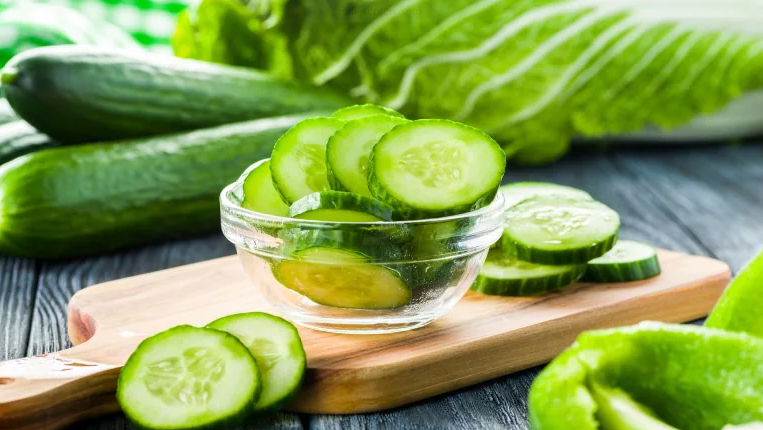
A calm, healthy snack to end your day
Evenings can be tricky when it comes to food. You might feel a little hungry after dinner, yet you do not want a heavy snack that disrupts sleep or digestion. This is where a simple cucumber can shine. Light, crisp, and refreshing, it offers comfort without weighing you down. If you are between 45 and 65 and paying closer attention to digestion, blood pressure, blood sugar, and sleep, choosing a gentle, water-rich vegetable at night can make a real difference.
Cucumbers are mostly water, very low in calories, and naturally soothing. They are easy to keep on hand, quick to slice, and simple to enjoy plain or with a small amount of a light dip. Many people find that a few bites of cucumber in the evening help settle their stomach and satisfy the urge to munch, without the discomfort that can come from richer snacks.
Why cucumbers are a smart late-night choice
Cucumbers deliver what your body often wants at night: hydration, a bit of fiber, and a refreshing taste that signals your brain you have had something satisfying. They are gentle on digestion for most people, and they fit nicely into heart-healthy and blood sugar–friendly eating patterns. Best of all, they keep things simple. No cooking, no long prep time, and no heavy feeling after you finish.
Benefit 1: Natural overnight hydration without heaviness
After a day of activity, your body may be slightly dehydrated by evening, especially if you were busy or spent time outdoors. Cucumbers are about 95 percent water, so a small serving before bed can help you top off your tank. This light hydration can ease a dry mouth or mild thirst and may help you feel more comfortable as you drift off.
Because cucumbers are water-rich but not heavy, they are far less likely than rich foods to cause indigestion. That is a helpful balance at night, when your body is winding down. If nighttime bathroom trips are a concern, simply enjoy your cucumber a little earlier in the evening, perhaps an hour or two before bed, so you can benefit from the hydration without it interrupting your sleep.
Benefit 2: Tames late-night hunger while supporting a healthy weight
Many of us feel a nibble coming on after dinner. Reaching for sweets or salty snacks can quickly add up in calories and leave you feeling bloated. Cucumbers, by contrast, are low in calories while still offering satisfying crunch. That crisp bite sends your brain a clear signal that you have had a snack, even though you have taken in very few calories.
This makes cucumbers a smart choice if you are aiming to maintain or gently reduce your weight. The texture encourages mindful chewing, which naturally slows you down and can help you feel satisfied sooner. If you need a touch more substance, a small portion of a light, protein-rich side such as a spoonful of plain yogurt can be enough to complete the snack, without turning it into a heavy meal.
Benefit 3: Gentle support for digestion and regularity
As we get older, digestion can become more sensitive. Heavy foods late at night may cause heartburn, gas, or a restless stomach. Cucumbers offer water and a bit of fiber, especially in the peel, which can support regularity. The combination of fluid and fiber helps keep things moving comfortably through the digestive system.
Many people find cucumbers easier to digest than other raw vegetables late in the day. If you have a very sensitive stomach, you can peel the cucumber or remove the seeds to make it even gentler. Compare this to fried or creamy snacks, which can linger and lead to discomfort. A small serving of cucumber is light, refreshing, and unlikely to cause that heavy feeling that disrupts sleep.
Benefit 4: Friendly to your heart and blood pressure
Heart health matters at every age, and especially between 45 and 65. Cucumbers contribute small amounts of potassium and are naturally low in sodium. Potassium helps balance sodium in the body, which supports healthy blood pressure. While cucumbers are not a magic cure, choosing them instead of high-salt evening snacks can be a helpful nightly habit for your heart.
Enjoying cucumber without piling on the salt is key. A squeeze of lemon or a sprinkle of herbs can add flavor without extra sodium. If you take medications for blood pressure or fluid balance, it is still wise to follow the plan you and your clinician set. Think of cucumbers as a gentle, heart-friendly choice to complement your daily routine.
Benefit 5: A steady, blood sugar–friendly option
Late-night sweets can cause blood sugar to swing, which may affect energy and sleep quality. Cucumbers are low in carbohydrates and have a very low impact on blood sugar, making them a steady choice for the evening. If you live with diabetes or are watching your blood sugar, this makes cucumbers a particularly helpful snack compared with cookies or sugary treats.
A small serving of cucumber can take the edge off hunger without spiking blood sugar or adding many calories. If you prefer a bit more fullness, pairing a few cucumber slices with a modest amount of protein or healthy fat, such as a spoonful of hummus or a small slice of cheese, can provide sustained satisfaction. Keep portions light so you feel comfortable when it is time to sleep.
Benefit 6: Wake up feeling fresher
Hydration and gentle nutrition at night can help you feel better in the morning. Because cucumbers help you take in water and a few helpful nutrients, you may notice less dryness, fewer salty snack hangovers, and a fresher start to your day. Their antioxidants, including vitamin C and other plant compounds, support your cells as they repair and recover overnight.
Some people find they experience less puffiness when they keep their evening snack light and hydrating. While no single food can transform your morning, small choices add up. Choosing cucumber instead of a heavy late-night snack can be one of those small, steady steps that helps you wake up clear-headed and comfortable.
What is inside a cucumber that helps?
Cucumbers provide mostly water, with a dash of fiber, vitamin K, and potassium. Vitamin K supports normal blood clotting and bone health, and potassium plays a role in fluid balance and blood pressure. Cucumbers also contain natural plant compounds that act as antioxidants. The amounts are modest, but when you bring cucumbers into your routine regularly, these small benefits can build over time.
Remember that preparation matters. Keeping the peel on adds a bit more fiber and some antioxidants. If you are sensitive to the peel, it is fine to remove it. The goal is comfort and consistency, so choose the form that sits best with your digestion and your taste buds.
How to enjoy cucumbers at night
Simplicity is your friend in the evening. Rinse the cucumber under cool water, pat it dry, and slice it into coins or sticks. Keep a small container in the refrigerator so it is ready when you want it. When flavor is the goal, add a squeeze of lemon or a sprinkle of dried dill for brightness. If you prefer something creamy, a spoonful of plain yogurt on the side can be enough to make it feel like a treat.
Mind the salt shaker, especially if you are watching blood pressure or swelling. Cucumbers taste naturally crisp and refreshing, and they do not need much added seasoning. If you do use salt, keep it very light. Many people are surprised to find they enjoy the clean taste of cucumber all on its own once they give it a chance.
A few cautions to keep in mind
Every body is different, and it helps to notice how you feel. If getting up at night to use the bathroom is a concern, enjoy your cucumber earlier in the evening so the fluid has time to settle. If you sometimes experience reflux or burping from raw vegetables, try peeled cucumber in small amounts to see how you do. Some varieties contain natural compounds that can make certain people burp a little more; peeling can help.
If you have kidney disease or have been told to limit potassium, follow the guidance from your care team when adding any new foods. While cucumbers are not especially high in potassium compared with other produce, it is wise to keep your plan consistent. If you take warfarin or another vitamin K–sensitive medication, aim for steady vitamin K intake from day to day rather than big swings, and discuss any diet changes with your clinician.
As with all produce, wash cucumbers well before eating to remove any dirt or residue. If you buy pre-cut cucumbers, keep them refrigerated and use them within a few days for best quality and safety. Allergies to cucumber are uncommon, but if you notice itching or discomfort when you eat them, stop and talk with a healthcare professional.
A gentle evening routine that works with your body
Small habits can make your nights more restful and your mornings more pleasant. Consider setting a simple rhythm. After dinner, take a short, relaxing walk or spend a few minutes stretching. If you enjoy a snack, have a small portion of cucumber about one to two hours before bedtime. Sip water earlier in the evening if you are thirsty, then slow down on fluids as bedtime approaches, so you are less likely to wake up.
Pair your cucumber with a calming activity, such as reading a chapter of a favorite book or listening to soft music. This helps your mind associate the light snack with winding down. Over a week or two, notice how your body responds. Do you feel less heavy at night? Are mornings a bit clearer? These are signs that the routine is working for you.
Answers to common questions
People often ask how much cucumber to eat at night. A small to moderate serving is usually enough, such as half of a medium cucumber or about a cup of slices. The right amount is the one that satisfies you without leaving you too full. Others wonder whether cucumbers can cause bloating. Most people tolerate them well, but if you are sensitive, try peeling them or enjoying a smaller portion and see how your body feels.
Another common question is whether it is okay to eat anything at all before bed. Strict rules are rarely necessary. What matters most is choosing something light and easy to digest, and timing it so it does not disturb your rest. Cucumbers fit this description very well. If late-night snacking is a habit you are trying to reduce, cucumbers can also act as a gentle step down from heavier choices while you find the routine that serves you best.
The bottom line
Eating cucumber at night offers six practical benefits that fit well with the needs of adults in midlife and beyond. It helps you hydrate without heaviness. It satisfies evening hunger while supporting a healthy weight. It is kind to digestion, offers a heart-friendly alternative to salty snacks, keeps blood sugar steadier than sweets, and can help you wake up feeling fresher. None of these benefits require big changes or complicated recipes. They come from a simple, refreshing vegetable that is easy to enjoy and easy to keep on hand.
Your evening routine does not have to be perfect to be helpful. With a few cucumber slices and a calm moment to unwind, you can end your day feeling comfortable and cared for. If you have specific medical conditions or questions about how cucumbers fit into your plan, a quick chat with your healthcare professional can provide personalized guidance. Otherwise, relax and enjoy the clean, crisp taste. Sometimes, the simplest choices are the ones that carry you most gently into a good night’s rest.



