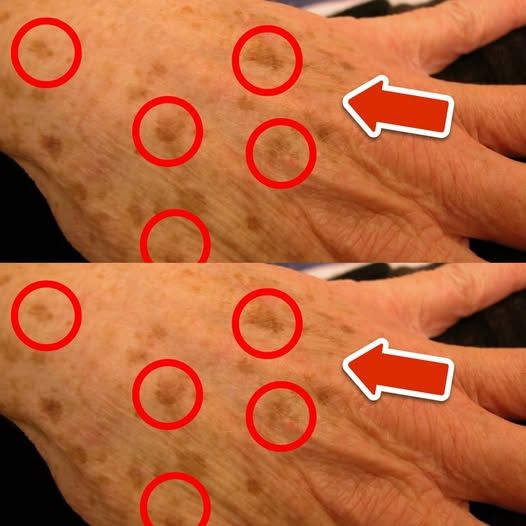
Understanding Vitamin B12 and Why It Matters
Vitamin B12 plays a quiet but essential role in keeping you healthy. It helps your body make red blood cells, supports nerve health, protects memory and mood, and gives you the steady energy you need to get through the day. When B12 levels drop too low, the effects can creep in slowly and may be easy to overlook or blame on getting older, stress, or a busy life. Recognizing the signs early can make a big difference, because B12 deficiency is usually very treatable once you know it is there.
People between the ages of 45 and 65 are more likely to experience B12 shortages than younger adults. This can be due to changes in how well the stomach absorbs nutrients, common medications, or simply eating less of the foods that naturally contain B12. If you have noticed changes in your energy, balance, memory, or mood, or if your doctor has mentioned anemia, it may be worth learning more about this important vitamin.

What Causes B12 Deficiency?
B12 is found naturally in animal-based foods such as fish, meat, poultry, eggs, and dairy. Some breakfast cereals are fortified with B12 as well. Even if you eat these foods, your body still needs to be able to absorb the vitamin. That process requires healthy stomach acid and a protein called intrinsic factor, which helps carry B12 through the digestive tract and into the bloodstream. With age, and with certain health conditions or medications, this absorption process can become less efficient.
Low B12 can happen for a few common reasons. Reduced stomach acid, which may occur naturally over time, makes it harder to release B12 from food. Medications such as metformin, used for blood sugar control, and some acid-reducing drugs can affect B12 absorption. Conditions like pernicious anemia interfere with intrinsic factor, preventing your body from absorbing B12 properly. Digestive conditions such as celiac disease, Crohn’s disease, or a history of stomach or intestinal surgery may also play a role. People who follow a vegetarian or vegan diet, or who simply do not eat much meat or dairy, may not get enough B12 from food alone unless they choose fortified foods or supplements.
Because the body can store B12 for some time, symptoms may take months or even years to show up. That is why the signs are often subtle at first and easy to miss. If any of the following symptoms sound familiar, consider discussing a simple blood test with your healthcare provider.
1. Fatigue That Does Not Improve With Rest
Feeling unusually tired is one of the most common signs of B12 deficiency. You may notice you are dragging through the day, needing more naps than usual, or feeling winded after activities that used to be easy. This happens because B12 is needed to make healthy red blood cells. Without enough B12, your body may produce fewer or more fragile red blood cells, which reduces the amount of oxygen delivered to your tissues. Less oxygen means less energy, and the result is persistent fatigue.
If your tiredness is new, more intense than usual, or hard to explain, it is worth paying attention. While fatigue can have many causes, including poor sleep, stress, or other medical conditions, B12 deficiency is a common and treatable reason that is often overlooked.
2. Tingling, Numbness, or “Pins and Needles” Sensations
B12 supports the protective covering around nerves. When levels are too low, nerves can become irritated, leading to a tingling or numb feeling often described as “pins and needles.” You might notice this in your hands, feet, or legs first. Some people also experience a feeling of burning or sensitivity in their skin. If you ignore this sign for too long, nerve issues can become more noticeable, so it is important to talk to your doctor if you notice unusual sensations.
Because these symptoms can overlap with other conditions such as diabetes-related nerve problems, circulation issues, or neck or back problems, a simple B12 test can help separate one cause from another. The encouraging news is that correcting B12 levels often improves these symptoms, especially when caught early.
3. Balance Problems and Muscle Weakness
Low B12 can affect the nervous system in ways that change balance and coordination. You may feel unsteady when walking, have trouble climbing stairs, or find yourself stumbling more often. Some people describe their legs as heavy or weak. Others notice they need to hold the handrail more tightly than before or feel less confident on uneven ground.
If you have started to feel unsure of your footing or have had a recent fall, it is important to look for reasons. B12 deficiency is only one possibility, but it is a very manageable one. Addressing it can help restore muscle support and improve stability, making day-to-day activities feel safer.
4. Pale or Yellow-Tinged Skin
Another sign of B12 deficiency can appear in the mirror. Some people notice their skin looks paler than usual, or slightly yellow, a condition called jaundice. This happens when your body cannot produce healthy red blood cells efficiently. As red blood cells break down, they release a substance that can give the skin and whites of the eyes a yellowish cast.
If you or someone close to you comments that you look unusually pale or a bit yellow, it is a good reason to get checked. While many things can alter skin color, including anemia from other causes, B12 deficiency is worth ruling out because it is easy to test and treat.
5. Sore Mouth, Tongue Changes, or Mouth Ulcers
A sore, smooth, or swollen tongue can be a sign of B12 deficiency. You may notice your tongue looks redder than usual or that food feels different in your mouth, perhaps less flavorful. Some people get small mouth sores or a burning sensation on the tongue or inside the cheeks. These changes are uncomfortable and can make eating less enjoyable, which in turn may reduce your appetite.
If you have ongoing mouth discomfort without a clear cause, bring it up with your healthcare provider or dentist. A quick B12 test can help explain the problem, and treatments are usually effective at easing these symptoms once your levels improve.
6. Changes in Mood, Memory, or Concentration
B12 helps the brain function smoothly. When levels fall, you may notice mood changes such as feeling down, unusually irritable, or more anxious than normal. Some people report “brain fog,” difficulty concentrating, or trouble remembering names, appointments, or recent conversations. These symptoms may develop slowly and can be mistaken for normal aging, stress, or lack of sleep.
While many factors affect mood and memory, it is reassuring to remember that a correctable vitamin shortage may be part of the picture. If you have felt mentally slower or not quite yourself, ask about checking B12 along with other routine labs. Restoring healthy levels may help clear the fog and lift your mood.
7. Shortness of Breath or Heart Palpitations
Because B12 deficiency can lead to anemia, your heart may need to work harder to move oxygen around your body. This extra effort can cause shortness of breath during light activity and a sensation that your heart is pounding or fluttering. You might find it harder to keep up with chores, exercise, or climbing stairs without becoming winded.
These symptoms deserve attention, since they can also relate to heart or lung conditions. Do not ignore new shortness of breath or palpitations. A healthcare visit can help identify the cause, and if B12 is part of the issue, correcting it can often provide relief.
Who Is Most at Risk?
Anyone can develop low B12, but some people are more likely to have it. Adults over 50 are at higher risk because stomach acid tends to decrease with age. This makes it harder to release B12 from food. Individuals who avoid or limit animal products, including vegetarians and vegans, may not get enough B12 unless they choose fortified foods or supplements. People taking certain medications, especially metformin or long-term acid-reducing drugs such as proton pump inhibitors, may also absorb less B12 over time.
Some health conditions make it harder to absorb B12 regardless of diet. Pernicious anemia is an autoimmune condition that reduces intrinsic factor, which is needed to absorb B12. Digestive conditions like celiac disease and Crohn’s disease, or a history of stomach or intestinal surgery, can also affect absorption. If you fit into any of these groups, or if several of the signs described earlier sound familiar, consider asking your provider about testing.
How B12 Is Tested
Testing for B12 deficiency is straightforward. A simple blood test measures B12 levels and may be paired with other tests such as folate, iron studies, methylmalonic acid, or homocysteine to get a clearer picture. Your doctor may also check a complete blood count to look for anemia. These tests help confirm whether B12 is low and whether there might be another cause for your symptoms.
If your levels are borderline, your provider might repeat the test or add related tests to make sure the result is accurate. This careful approach helps ensure you receive the right treatment at the right time.
Treatment Options That Work
The good news is that B12 deficiency is usually easy to treat. The best approach depends on the cause and how low your levels are. For many people, high-quality oral B12 supplements can raise levels effectively. Cyanocobalamin and methylcobalamin are the two most common forms used in supplements. If absorption is a concern, such as in pernicious anemia or after certain surgeries, B12 injections or high-dose oral supplements may be recommended to bypass the usual pathway and ensure your body gets what it needs.
Your provider will help choose a dose that matches your situation. Some people notice more energy within a few weeks, while nerve-related symptoms may take longer to improve. Staying consistent with the plan is key. Once levels are healthy again, ongoing maintenance through diet, fortified foods, or a smaller supplement dose often keeps things on track.
Everyday Food Sources of B12
Adding B12-rich foods to your meals can help support healthy levels. Good sources include fish such as salmon and trout, lean meats like beef or chicken, eggs, and dairy products such as milk, yogurt, and cheese. Many breakfast cereals are fortified with B12, which can be a convenient option. If you prefer a mostly plant-based diet, check labels for fortified foods that include B12 and consider discussing supplements with your provider to be sure you are meeting your needs.
Preparing balanced meals does not need to be complicated. Simple choices like a vegetable omelet with cheese, yogurt with fruit, or baked salmon with steamed vegetables can deliver valuable B12 along with other nutrients that support energy and overall wellness.
How Much B12 Do You Need?
Most healthy adults need only a small daily amount of B12 to stay well, and the body can store extra for later use. Your exact needs may vary based on age, diet, and health conditions. If you have a deficiency or trouble absorbing B12, your provider may suggest a higher dose for a time, followed by a maintenance plan. The aim is to build your levels back up and then keep them steady so symptoms do not return.
Because everyone’s health is different, it is wise to talk with your provider before starting a new supplement, especially if you take prescription medications or manage chronic conditions. A short conversation and a quick blood test can help tailor a plan that fits you.
When to Seek Medical Advice
If you have noticed several of the signs described here—such as persistent fatigue, tingling in your hands or feet, balance problems, or changes in mood or memory—it is sensible to ask for a B12 test. If you follow a vegetarian or vegan diet, take medications that affect B12 absorption, or have digestive conditions, you may want to make B12 testing part of your routine checkups. Getting answers sooner rather than later can help you feel better faster and protect your long-term nerve and brain health.
Do not hesitate to reach out promptly if you experience new shortness of breath, chest discomfort, sudden weakness, or confusion. These symptoms can point to urgent issues that need immediate attention, whether or not B12 is involved.
Putting It All Together
Vitamin B12 plays a vital role in energy, nerve function, and clear thinking. When levels slip, the body sends signals. The most common include ongoing fatigue, tingling or numbness, balance difficulties, pale or yellow-tinged skin, mouth or tongue soreness, changes in mood or memory, and shortness of breath or heart palpitations. Because these signs can overlap with many other conditions, a simple blood test is the best way to know for sure.
The encouraging part is that B12 deficiency is highly treatable. With the right combination of food choices, fortified products, and supplements or injections when necessary, most people feel better within weeks. Paying attention to your body and discussing symptoms with your healthcare provider can help you stay active, maintain sharp thinking, and enjoy everyday life with more energy and confidence.
A Gentle Reminder
Health information can be empowering, especially when it is clear and practical. If the signs of B12 deficiency sound familiar, consider bringing them up at your next appointment. You deserve care that supports your goals, respects your lifestyle, and helps you feel your best. Early attention to B12 can protect your nerves, sharpen your memory, and restore the steady vitality that makes each day more enjoyable.