Your kidneys play a crucial role in keeping your body healthy by filtering toxins and waste from the blood, balancing fluids, and regulating electrolytes. However, as you age, your kidneys may start to show signs of distress that should not be ignored. In fact, recognizing these symptoms early on can make a big difference in your overall health. Here are eight strange signs that may indicate your kidneys need immediate attention.
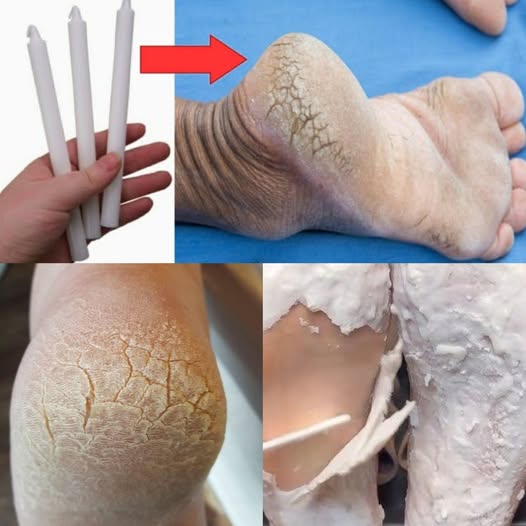
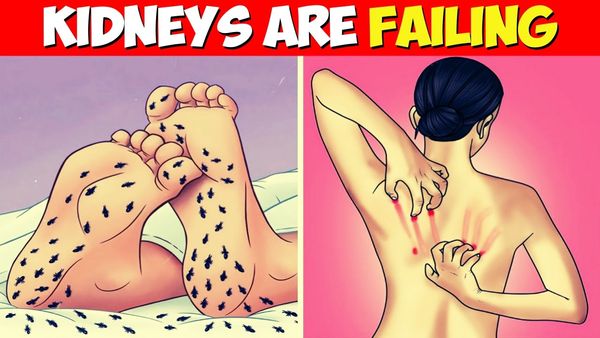
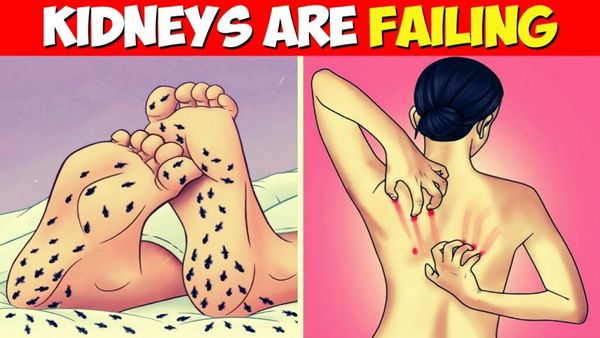
Why It Happens: When your kidneys aren’t functioning properly, toxins build up in your blood, leading to itching and dry skin.
What to Watch For: Pay attention to persistent itching that doesn’t go away even after moisturizing. If you notice this symptom along with other signs, it may be a sign that your kidneys need help.
Why It Happens: Accumulation of waste in the blood can cause a metallic taste in your mouth or bad breath that smells like ammonia.
What to Watch For: If you experience a lingering metallic taste, strange breath odor, or notice that food tastes different, it could be a sign of kidney trouble.
Why It Happens: Healthy kidneys produce a hormone called erythropoietin, which helps make red blood cells. Damaged kidneys may produce less of this hormone, leading to anemia, fatigue, and weakness.
What to Watch For: If you find yourself persistently tired, feeling weak, or having trouble concentrating even with sufficient rest, it’s important to consider the health of your kidneys.
Why It Happens: Kidneys play a vital role in regulating salt and fluid balance in your body. When they are not working properly, fluid retention can cause swelling, especially in the lower extremities.
What to Watch For: Take note of any swelling in your ankles, feet, or hands that is not caused by injury or heat and doesn’t go away with rest.
Why It Happens: Damaged kidneys may lead to increased urination as they are unable to effectively filter waste from your body.
What to Watch For: If you find yourself making frequent trips to the bathroom, particularly at night, without a significant increase in fluid intake, it may be worth considering the health of your kidneys.
Why It Happens: Excessive bubbles or foam in urine can indicate protein leakage, which is a sign that your kidneys are not efficiently filtering your blood.
What to Watch For: Pay attention to persistent foam or bubbles in the toilet bowl after urination, especially if it’s accompanied by other symptoms.
Why It Happens: Kidney infections or kidney stones can cause pain, usually on one side of your lower back or below the rib cage.
What to Watch For: If you experience sharp or dull pain on one side of your lower back that doesn’t improve and may be accompanied by other symptoms like fever or nausea, it is important to seek medical attention.
Why It Happens: Kidneys play a role in regulating blood pressure. If they are not functioning properly, it can lead to high blood pressure, which can further damage the kidneys.
What to Watch For: If you have persistent high blood pressure that doesn’t respond to medication, diet, or lifestyle changes, it could be a sign that your kidneys need attention.
If you notice any of these signs, especially if they persist, it’s essential to consult a healthcare professional. Early detection of kidney issues can prevent further damage and improve outcomes. Remember to schedule regular check-ups, stay hydrated, and actively manage your blood pressure to keep your kidneys healthy. Your kidneys may be trying to tell you something important, so pay attention to these signs!