A Simple Lemon And Baking Soda Trick That Works Wonders Around The House
Sometimes the best solutions are the simplest ones. If you have a lemon and a little baking soda at home, you already own a gentle, effective cleaner that can tackle stubborn stains, greasy spots, and lingering odors. Many people are surprised by how well this easy combination works, and it is especially helpful if you prefer low-fuss, budget-friendly ideas that do not involve harsh chemicals.
This guide walks you through exactly how to use half a lemon dipped in baking soda, why it works so well, and where it truly shines. You will also find clear tips on what to avoid, how to get the best results with minimal effort, and smart ways to fit this trick into your weekly routine. If you appreciate practical, tried-and-true methods that make everyday cleaning easier, you are in for a pleasant surprise.
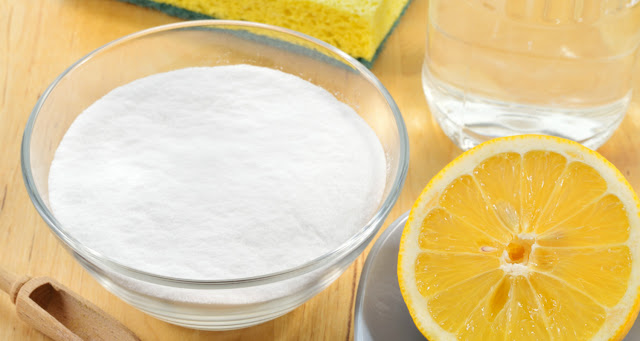
Why Lemon And Baking Soda Make Such A Good Team
Lemon juice contains gentle, natural acids that help cut through grease, brighten stains, and leave a fresh scent. Baking soda offers mild scrubbing power and helps neutralize odors. When you press the cut side of a lemon into a small mound of baking soda, you create a slightly fizzy paste that clings to surfaces just long enough to loosen residue. The combination offers cleaning power without the strong fumes or harshness of many store-bought products.
Another benefit is control. You can see what you are doing, feel the texture, and easily rinse everything away. It is a straightforward approach that makes it easier to avoid overusing strong cleaners, and it is gentle enough for many everyday kitchen and bathroom jobs when used with care.
What You Need To Get Started
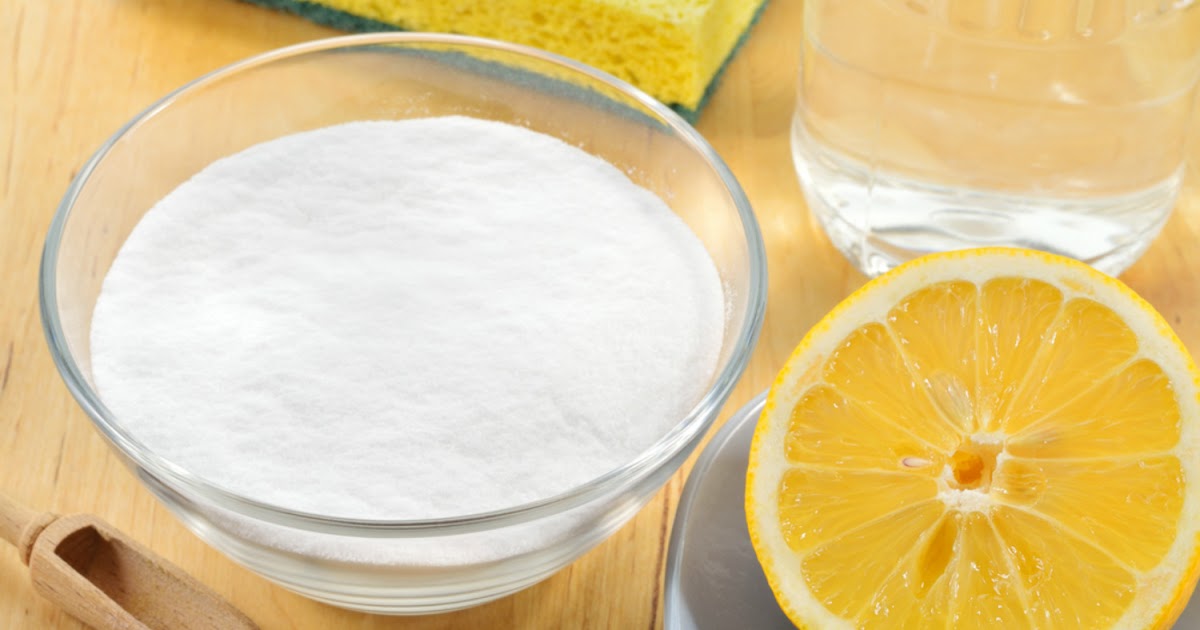
The setup is quick and simple. You only need a fresh lemon, a small amount of baking soda, some warm water for rinsing, and a soft cloth or sponge for wiping. If you prefer, you can wear light gloves to protect your hands from the acidity of the lemon, especially if you have sensitive skin. A small bowl or saucer is helpful for holding the baking soda neatly on your countertop.
Choose a firm lemon that feels heavy for its size, which usually means it has plenty of juice. Standard baking soda is perfect; you do not need any special kind. Keep a clean microfiber cloth nearby for drying and buffing surfaces after you rinse.
How To Use Half A Lemon Dipped In Baking Soda
Begin by cutting the lemon in half crosswise. Pour a small mound of baking soda onto a saucer. Dip the cut side of the lemon into the baking soda so the surface is lightly coated. You may see a small fizz, which is normal. Apply the lemon directly to the area you want to clean, using gentle, steady pressure and small circular motions. Let the mixture sit for a minute or two if you are working on a sticky or greasy spot, then rinse or wipe with warm water and dry with a cloth.
If you are working on a vertical surface or a small, tricky area, squeeze a little of the lemon juice onto the spot first, then dab the baking soda over it with your fingers and use the lemon half to guide the scrub. Always finish by rinsing well and drying. This helps prevent any faint residue and brings out a nice shine.
Everyday Kitchen Uses That Deliver Noticeable Results
Kitchen messes are where this method really wins. Cutting boards, sinks, stovetops, and the inside of the microwave are frequent trouble spots. On plastic or wooden cutting boards that have absorbed food odors, a short scrub with the lemon and baking soda followed by a thorough rinse can make a clear difference. For wood, do not soak; just scrub, rinse quickly, and dry well so the board does not swell or warp.
Stainless steel sinks and faucets often gather water spots and dull film. The lemon and baking soda paste helps break up the residue and leaves a clean surface. Work carefully around seals and always rinse away every trace of the mixture, then buff dry with a cloth to bring back the shine. If you notice any fine scratching on a brushed finish, reduce pressure and use extra water as you go.
Grease on stovetops can be stubborn, but this gentle scrub is excellent for everyday grime. Make sure the stovetop is cool, apply the lemon and baking soda mixture where you see greasy areas, let it sit very briefly, and then wipe clean. Glass cooktops require a lighter touch, so avoid pressing too hard and use more water during the final wipe. The goal is to lift residue without scratching.
The microwave interior often traps food splatters and smells. A brief wipe with the lemon and baking soda paste helps release stuck-on spots. Rinse with a damp cloth several times to remove all residue, then dry. The fresh scent is a welcome change from strong cleaners, especially in such a small space.
Brightening The Refrigerator And Dealing With Odors
Refrigerator shelves can get cloudy or sticky, especially around spilled sauces or crumbs. The lemon and baking soda approach offers a mild way to brighten those surfaces. Remove food first, lift out shelves if possible, and work over the sink for easier rinsing. If the shelves are fixed in place, scrub gently and follow with several passes of a clean, damp cloth. Dry thoroughly to prevent water spots.
For lingering food odors, the lemon helps freshen the air, while baking soda neutralizes the smell. After cleaning surfaces, place a small open container of dry baking soda on a shelf to keep things fresh between deep cleans. Replace it every month or two for best results.
Helping Your Kitchen Tools Look And Smell Better
Kitchen utensils and tools pick up films from oils and sauces that regular washing sometimes misses. A quick rub with half a lemon dipped in baking soda can refresh spatulas, tongs, and even the outside of cookware. Rinse immediately and dry to avoid any residue. For knives, never scrub the blade directly with the lemon mixture because acidity can affect certain metals. Instead, clean knives with mild dish soap and water, then dry right away.
If your garbage disposal has a tired odor, you can use this trick around the rubber gasket and the sink opening to remove buildup. After rinsing everything clean, you may drop a few small pieces of lemon peel into the disposal and run it briefly with plenty of water to spread a light, fresh scent. Avoid overloading the disposal with large chunks, and do not use the lemon mixture on parts that are not water-safe.
Tackling Bathroom Buildup Without Harsh Fumes
Soap scum and water spots can make bathroom cleaning feel like a chore. The lemon and baking soda paste helps loosen these films on ceramic tile, porcelain sinks, and chrome fixtures. Apply gently, allow a short contact time for troublesome spots, and rinse away with warm water. Drying afterwards with a soft cloth helps discourage new spots from appearing.
For shower glass, use a light touch. The mild abrasiveness helps, but the key is patience rather than pressure. Work in small sections, rinse thoroughly, and dry with a clean cloth to reveal clearer glass. If your water is very hard, repeating this process regularly is more effective than trying to remove heavy buildup all at once.
Grout responds best to a gentle application and careful rinsing. If your grout is colored or older, always test in a hidden spot first to ensure it does not lighten. Apply the lemon and baking soda lightly, give it a short moment to work, then rinse and pat dry. Keeping the area ventilated helps everything dry faster, reducing the return of mildew smells.
Freshening Laundry Spots And Fabrics With Care
Some laundry challenges, like lingering odors on towels or minor discolorations on light-colored fabrics, can benefit from a careful pre-treatment. Dab a small amount of lemon juice onto the spot, sprinkle a pinch of baking soda, then gently rub the fabric against itself. Rinse thoroughly with cool water and launder as usual. Always test on a hidden area first, and avoid delicate materials such as silk, wool, or anything labeled dry-clean only.
Sunlight can help brighten freshly washed light items. After laundering, allow them to dry in indirect sunlight. The combination of a gentle pre-treatment and standard washing often brings back freshness without resorting to strong bleaches. Never skip the rinse step before the wash cycle, since direct acid or alkaline residue is not good for fabrics over time.
Polishing Certain Metals And Household Items
Over time, some metal surfaces lose their luster. The lemon and baking soda method can brighten the exterior of copper-bottomed pots and certain brass accents. Apply lightly, rinse immediately, and dry thoroughly to avoid water marks. Always check whether your item is lacquered or coated, because coated metals should not be scrubbed with any abrasive mixture.
Be cautious with silver, aluminum, and cast iron. Silver can react poorly to acids, aluminum can discolor, and cast iron seasoning can be stripped away. For those items, use cleaning methods specifically designed for their material. When in doubt, test a small, hidden spot or choose a gentler approach.
Important Safety And Surface Tips
Although this method is gentle compared to many commercial products, it is not right for every surface. Avoid using lemon and baking soda on natural stone such as marble, granite, or travertine, because acids can etch and dull the finish. Unsealed wood can absorb moisture and stain, so use only brief contact and dry immediately, or skip this method for that material entirely.
Be cautious with glossy or delicate finishes that scratch easily. If you have a special coating or a manufacturer’s care guide that warns against abrasive cleaners, treat the lemon and baking soda mixture as potentially abrasive and look for a safer alternative. A quick patch test in an out-of-the-way corner is a wise step before cleaning a large, visible area.
Never mix this method with bleach or strong chemical cleaners. If a surface has been treated with another product, rinse it first and let it air dry before trying the lemon and baking soda approach. Good ventilation and a final rinse are always helpful, and washing your hands after you finish is a simple, sensible habit.
Making The Most Of Your Time And Effort
Small routines make a big difference. Giving your sink, cutting board, or stovetop a quick once-over with the lemon and baking soda mixture right after you cook prevents grime from building up later. Because the method is quick to set up and just as quick to rinse away, it fits easily into a weekly or even twice-weekly rhythm without feeling like a project.
For tougher jobs, patience is more effective than force. Apply, let it sit briefly, and go over the area again with light pressure. Repeating the process once or twice is better than scrubbing hard, especially on surfaces that can scratch. Finish with a thorough rinse and a dry buff so you can admire the clean result you worked for.
Saving Money And Reducing Harsh Chemicals At Home
Many people appreciate that lemons and baking soda are affordable and versatile. You do not need a shelf full of specialized sprays when a small selection of basic supplies can handle daily needs. Using fewer harsh products also means fewer strong odors in small rooms like bathrooms or kitchens, which many find more comfortable.
It is not about replacing every cleaner with this one trick, but about having a dependable, gentle option at your fingertips. When you find a method that works, is easy to remember, and takes minimal effort to set up, you are more likely to keep up with it, and your home stays fresher as a result.
Troubleshooting Common Questions
If you notice streaks after cleaning, the usual cause is leftover residue. Simply wipe the area again with a clean, damp cloth and then dry it. If a stain is stubborn, try a second short application rather than pressing harder the first time. On shiny or dark surfaces, use extra water during the rinse and a soft microfiber cloth to finish.
For sensitive skin, wearing light gloves can make the process more comfortable. If the lemon feels too acidic, you can dilute the juice slightly with water before dipping it into the baking soda. The mixture will still work, just a bit more gently. If you are unsure about a surface, take a minute to check a hidden area first. That small step often saves time and worry later.
Simple Steps You Can Remember Easily
Cut a lemon, dip the cut side into baking soda, and gently scrub the area you want to clean. Allow a little time for the mixture to do its work if needed, rinse thoroughly, and dry to bring back the shine. That is the entire method in a nutshell. Once you have done it twice, you will find it becomes second nature.
Keep a box of baking soda and a couple of lemons on hand, and you will be prepared for many everyday messes. With a bit of practice, you will learn exactly how much pressure to use on each surface, when to let the mixture sit, and how to finish with a bright, clean look.
Bringing It All Together
Half a lemon dipped in baking soda is more than a clever tip. It is a practical, reliable way to handle common household challenges without fuss. From sinks and stovetops to cutting boards and bathroom fixtures, this simple pairing helps you clean efficiently, control odors, and enjoy a fresher home. You are using ingredients you likely already have, saving a little money, and keeping your routine straightforward.
The results speak for themselves. Once you try it, you will see why so many people reach for a lemon and a pinch of baking soda first. It is easy, it works, and it feels good to have a solution you can trust. The next time you spot a greasy film, a dull sink, or a cutting board that has seen better days, give this method a try. A few minutes of gentle scrubbing, a quick rinse, and a soft dry cloth are often all it takes to bring back a clean, bright finish you will be proud to see every day.
With a friendly helper like this in your cleaning routine, everyday upkeep becomes simpler. You do not need a complicated plan or special equipment. You only need a lemon, a little baking soda, and a moment of your time. The fresh scent, the satisfying shine, and the confidence of a clean space are the real rewards.
Enjoy the fantastic results and the peace of mind that comes from using a method that is as straightforward as it is effective. When something this simple works so well, it quickly becomes a favorite go-to—one you can share with family and friends who appreciate easy solutions that truly deliver.