A friendly, step-by-step guide to the baking soda shampoo idea
If you have heard friends or family say a simple kitchen ingredient can make hair grow like magic, they are probably talking about baking soda. Many people share that using a gentle baking soda rinse leaves their scalp fresh, their hair feeling lighter, and their strands looking fuller. While there is nothing truly magical about it, a clean, balanced scalp can help hair look its best and may support healthier-looking growth over time.
For those of us in midlife and beyond, hair can change with age. It may become thinner, drier, or more prone to buildup from hair sprays, gels, oils, or even minerals in tap water. A straightforward rinse made with baking soda can help remove that buildup, so hair looks livelier and feels softer. In this guide, you will learn exactly how to try it safely, how to adjust it to your hair type, and what results you can realistically expect.
What baking soda is and why people try it for hair
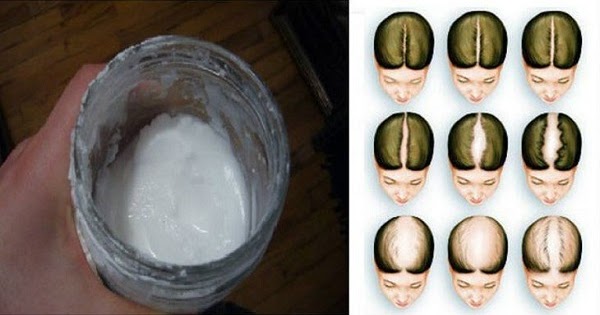
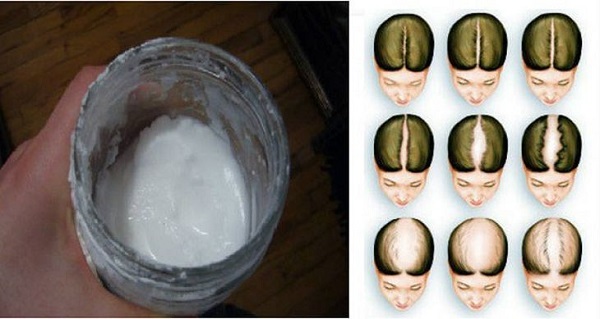
Baking soda is sodium bicarbonate, a common household powder best known for gentle cleaning and deodorizing. In hair care, it works as a clarifier. That means it helps break down oils, residue from styling products, and the film that hard water can leave behind. When that film is removed, hair can feel lighter, look shinier, and seem fuller at the roots.
People are often surprised at how fresh their scalp feels afterward. If your scalp tends to get itchy or your roots look flat by the end of the day, a light baking soda solution can reset everything without the heavy perfumes or strong detergents found in some products. With a cleaner scalp, new growth has a clearer path, which is why so many say their hair seems to grow better after they start this routine.
What baking soda can and cannot do for hair growth
It is important to set gentle, realistic expectations. Baking soda does not speed up the biological process of hair growth. Hair grows from the follicles beneath your scalp, and that pace is influenced by your health, hormones, age, nutrition, genetics, and medications. What baking soda can do is remove buildup so the hair you do have looks fuller, cleaner, and more lively, which may make growth appear more obvious over time because your strands are not weighed down.
Think of it like washing a window. The view does not change, but it becomes clearer. In a similar way, freeing the scalp of residue can help reduce the obstacles that make hair look dull or limp. That is not magic, but it can feel like a welcome refresh, especially if you have been dealing with flatness or excess oil.
How to make a gentle baking soda shampoo at home
You do not need anything fancy. Start with one cup of warm water. Stir in about one teaspoon of baking soda until it dissolves. Warm water helps the powder blend smoothly, and a small amount is all you need. If your hair is very short, you may use a little less. If it is long and thick, you can double the mixture. The key is to keep the solution mild so it cleans without over-drying.
Some people like to follow with a simple conditioner after rinsing. Others prefer a light, diluted rinse made with cool water and a splash of apple cider vinegar to help the hair feel smooth. If you try the vinegar rinse, keep it very gentle, and rinse it out with water afterward. This extra step is optional, but many find it helps restore softness.
How to use the mixture in the shower
Wet your hair and scalp with warm water first. Gently pour the baking soda solution over your scalp, a little at a time, and massage with your fingertips for about a minute. Focus on the roots where oil and residue collect. You will not see foam like a regular shampoo, and that is perfectly fine. After massaging, rinse thoroughly with warm water. Follow with your usual conditioner on the lengths and ends of your hair if you like, then finish with a cool rinse to add a touch of shine.
Take your time rinsing. Making sure all the solution is out is just as important as the cleaning itself. When you step out, pat your hair gently with a towel. Avoid rough rubbing, which can cause breakage, especially on finer or gray strands.
How often to use baking soda on your hair
For most people, once a week or once every other week is more than enough. Baking soda is a powerful clarifier, and using it too often may leave hair feeling dry. If your hair tends to be dry, fragile, or color-treated, start once every two weeks and see how you do. If your hair is oily and you use a lot of styling products, you may like a once-a-week routine. Pay attention to how your hair and scalp feel and adjust slowly.
Remember that regular shampoo and conditioner can be used in between your clarifying days. Many people enjoy their normal routine during the week and reserve the baking soda rinse for a simple reset, the way you might spring-clean a room to make everything feel fresh again.
Adjusting for your hair type
If your hair is fine or thinning, a milder mixture often works best. Keep the solution light, massage gently, and go easy on heavy conditioners that can weigh hair down afterward. If your hair is coarse or curly, focus the rinse on your scalp and use a richer conditioner on the lengths to keep the curl pattern soft and defined. If your hair is gray or silver, which can be more delicate, start with a weaker solution and follow with a moisturizing conditioner to maintain softness and shine.
For color-treated hair, use special care. Clarifying can sometimes lift color more quickly, especially with very fresh dye. If you recently colored your hair, wait at least a week before trying a baking soda rinse, keep the solution mild, and do a quick test on a small section first to see how it responds.
What to expect in the first few uses
After the first rinse, many people notice their scalp feels cleaner and lighter. Hair may have more lift at the roots and feel less coated by products. Over a few weeks, some find their hair appears fuller, simply because the strands are not weighed down and the scalp is less congested. It is common for people to say it looks like their hair is growing faster. In reality, what you are seeing is cleaner, healthier-looking hair that makes new growth easier to notice.
If you experience any dryness, lessen how often you use the rinse or make the solution milder by adding more water. If your scalp feels sensitive, pause and let it settle before trying again in a week or two. Comfort should come first.
Safety tips and gentle cautions
Baking soda is alkaline and can be drying if used too strong or too frequently. A diluted mixture used sparingly is the safest approach. If you have a sensitive scalp, eczema, psoriasis, open cuts, or a known skin condition, it is wise to talk with a dermatologist before trying a new rinse. If you notice redness, irritation, or flaking that is new or worse than usual, stop and allow your scalp to recover.
Hair loss can have many causes, including stress, hormonal shifts, thyroid imbalance, iron deficiency, certain medications, and genetics. A clarifying rinse can help your hair look its best, but it is not a cure for medical causes of thinning. If you are noticing sudden shedding, bald patches, or tenderness on your scalp, a healthcare professional can help you understand what is going on and choose the right care plan.
A simple test before your first full rinse
Before using anything new, try a small test. Mix your mild solution and dab a bit on the skin behind your ear or on a small section of your scalp. Wait a day to see how your skin reacts. If it is comfortable, proceed to a full rinse the next time you shower. A quick test today can save you discomfort later.
Questions people often ask
People often ask whether baking soda will make hair actually grow faster. The honest answer is that it will not change the body’s natural growth rate. However, by keeping the scalp clean and free of residue, your hair can look and feel healthier, which may make growth appear more noticeable over time.
Another common question is whether baking soda strips color. Clarifying can shorten the life of some dyes, especially semi-permanent colors and fresh color jobs. If you color your hair, space out clarifying days and keep the solution very mild, or use your colorist’s recommended clarifying product instead.
Some also wonder about dandruff. If your flakes are caused by product buildup, a gentle rinse may help reduce the look of flaking. If your dandruff is caused by a yeast or skin condition, you may need a medicated shampoo instead. In that case, a dermatologist can guide you to the most effective option.
If you prefer an even milder approach
If baking soda feels a bit strong for your hair, you can try a step-down method. Use your regular gentle shampoo first, then a very light baking soda solution just on the scalp, followed by a conditioner on the ends only. Another option is to use a store-bought clarifying shampoo once every week or two, since these are designed to remove buildup without changing your routine much. Choose one labeled for gentle or frequent use if your hair tends to be dry.
Whichever approach you choose, the idea is the same. Clearing away residue allows your natural shine to come through, gives your roots a lift, and helps your hair’s natural pattern look its best. The simpler the routine, the easier it is to stick with it.
A calm, easy routine you can try this week
On a day when you are not in a rush, prepare your mild baking soda solution in a cup before stepping into the shower. Wet your hair thoroughly, apply the solution to your scalp, and massage gently for a minute. Rinse well, condition the ends if you like, and finish with a cool rinse. Let your hair air-dry if you can, or use a dryer on the lowest heat. Take note of how your scalp feels and how your hair moves. Give it a week or two and repeat. Small, steady changes often bring the best results.
If you style your hair frequently with sprays or creams, you may notice the biggest difference. If you keep your routine simple and do not use many products, the change may be more subtle. Either way, the goal is comfort, a fresh scalp, and hair that looks and feels clean without harsh treatment.
Caring for your scalp as you care for your hair
Healthy-looking hair starts with a cared-for scalp. As we get older, skin everywhere becomes more sensitive, and that includes our scalps. Gentle massage when you shampoo, avoiding very hot water, and giving your hair a break from tight styles can make a noticeable difference. A soft brush or your fingertips can help distribute natural oils from your roots through your lengths, adding shine without extra products.
Nutrition and rest matter, too. A varied diet with enough protein, iron, and healthy fats, staying hydrated, and getting good sleep support your body’s natural processes, including the hair growth cycle. While a rinse can help on the outside, inner care supports the foundation.
When to check in with a professional
If you have tried a gentle clarifying routine and still feel unhappy with how your hair looks, or if you are noticing rapid changes like widening parts, patches of loss, or a very itchy scalp, consider speaking with a dermatologist or a hair specialist. There are many reasons hair can change during midlife, and a trained professional can sort through the possibilities and suggest a plan that suits your needs. Sometimes small adjustments or targeted treatments make a big difference.
It may also be helpful to bring a photo or two from before you noticed changes. That can help a professional see what is new and what has been true for years. The aim is to feel confident, comfortable, and informed about your choices.
Encouragement and realistic expectations
There is a reason people get excited about the baking soda shampoo idea. When it works for you, the feeling of soft, buoyant, freshly cleaned hair can seem almost magical. At the same time, it is simply a cleaning step, not a miracle cure. With a calm approach, a mild mixture, and some patience, you can discover whether this simple method helps your hair feel and look better.
Give yourself time to adjust. The first try teaches you how your hair responds, the second helps you fine-tune, and by the third or fourth rinse you usually know whether it fits your routine. If it does, keep going at an easy pace. If it does not, you have learned something valuable about your hair and can move on to other gentle options without worry.
Final thoughts
Baking soda shampoo is a simple, inexpensive way to clarify the scalp and hair. Many people say it makes their hair appear to grow better because buildup is cleared away and strands can show their natural body and shine. Used thoughtfully and not too often, it may bring back that light, airy feeling you remember from your favorite hair days. Start mild, listen to your scalp, adjust slowly, and enjoy the fresh, clean lift that a tidy routine can bring.
When it comes to caring for your hair in your forties, fifties, and sixties, small, consistent steps often matter most. Whether you keep the baking soda rinse as a monthly reset or make it part of a gentle weekly rhythm, the goal is the same: a comfortable scalp, soft hair, and the quiet confidence that comes from a routine that truly works for you.