
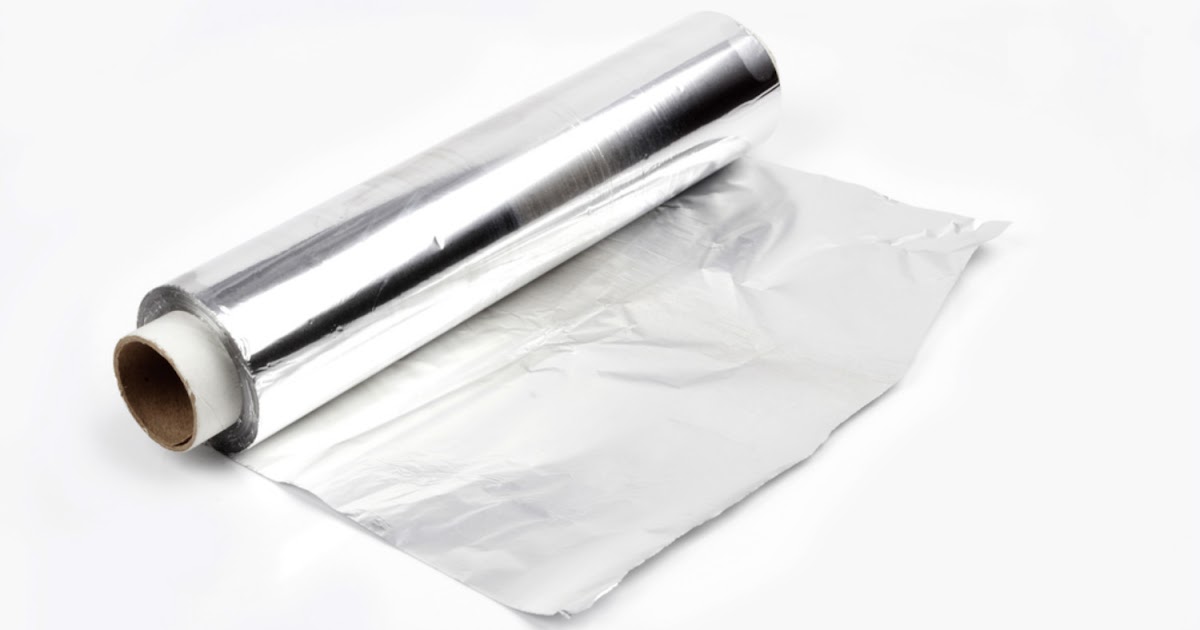
Why aluminum foil safety matters more than you think
Aluminum foil is a staple in many kitchens. It keeps pans clean, helps food cook evenly, and makes storage quick and simple. But doctors and safety experts want you to know there are a few important rules you should follow whenever you use foil. The goal is not to cause alarm, but to help you cook smarter and avoid problems that are easy to miss. With a few clear tips, you can keep your meals delicious and your home safe.
If you are in your late forties, fifties, or sixties, you likely grew up with foil as a trusted helper. Today, we know more about how heat, moisture, and certain foods interact with aluminum. Used the right way, foil can be perfectly safe. Used the wrong way, it can lead to real hazards, including foodborne illness, kitchen fires, and avoidable exposure to more aluminum than you intend to consume. This guide explains the simple, practical steps that make all the difference.
What aluminum foil is, and how it behaves around food
Aluminum foil is very thin, pure aluminum rolled into sheets. Aluminum is the most common metal in the earth’s crust, and small amounts are present in many foods naturally, as well as in treated drinking water. Most healthy adults digest and excrete aluminum without trouble. The concern is not ordinary day-to-day contact, but situations where more aluminum than expected can leach into food.
Heat, salt, acid, and time can each increase how much aluminum moves from foil into food. You may notice that tomato sauce, lemon juice, vinegar, and salty marinades can leave grayish marks on foil. That discoloration is a sign of a chemical reaction. Cooking a tomato-based dish tightly wrapped in foil at high heat for a long time, for example, can raise the aluminum content of that food more than gentle, short-term uses.
For most healthy adults, the body handles small amounts without issue. Still, it makes sense to reduce unnecessary exposure where it is easy to do so, especially if you have kidney disease or other medical conditions that affect how your body clears metals. Sensible precautions also help keep the flavor and quality of your meals at their best.
When aluminum can become a problem
Certain combinations of heat and ingredients can make foil a poor choice. Acidic foods such as tomatoes, citrus, pickles, and vinegar-based sauces, as well as very salty or highly spiced foods, are more likely to react with foil, especially above 400°F and over long cook times. In these cases, it is better to place a layer of parchment between the food and the foil, or to switch to glass, ceramic, or stainless steel cookware.
Extended contact during storage also matters. Wrapping a lemony chicken breast or marinated fish tightly in foil overnight in the refrigerator invites more reaction than a short, gentle bake. If you like to marinate, do so in glass or food-safe plastic, then cook on a pan or parchment with a loose tent of foil if you want to control browning. These small changes keep the food from sitting directly on aluminum and reduce leaching.
There is also a serious but often overlooked risk with certain foods. A common example is baked potatoes. If a hot, foil-wrapped potato is left at room temperature after cooking, the lack of oxygen under the foil can allow dangerous bacteria to grow. In rare cases, this can lead to botulism, a life-threatening foodborne illness. The solution is simple: eat foil-wrapped potatoes promptly after cooking, or remove the foil, let them breathe, and refrigerate them without the foil soon after they cool down. This single habit avoids a rare but truly serious consequence.
What doctors say about dementia and aluminum
Many people have heard rumors that using aluminum foil causes Alzheimer’s disease. Current medical evidence does not support the idea that everyday cooking with foil causes dementia. Research over several decades has looked for clear links, and while aluminum can be found in the environment and in small amounts in the body, ordinary use of foil in the kitchen has not been proven to cause Alzheimer’s disease.
That said, it is still wise to avoid unnecessary exposure. If you have chronic kidney disease, are on dialysis, or have been told you retain metals more easily, ask your healthcare provider about the best cookware and storage choices for you. For everyone else, the safest path is to use foil thoughtfully, especially around acidic foods and high heat, and to choose alternatives when it is just as easy.
Safe ways to cook with foil in the oven
There are good reasons to use foil in the oven, and you can do it safely. If you like to tent a roast to keep it moist, leave some space for steam to escape so condensation does not drip back and cause splattering. If you cover a casserole, place a piece of parchment directly on the food, then cover the dish with foil. This keeps the foil away from sauces and prevents reaction and off-flavors.
Avoid lining the entire bottom of your oven with foil. It can interfere with heat circulation, trap heat against the surfaces, and in some cases damage the oven’s finish or affect temperature readings. If you need to catch drips, use a sturdy, oven-safe baking sheet on a lower rack rather than a full sheet of foil on the oven floor.
When using foil on baking sheets, keep it smooth and secure so it does not contact a heating element or fan. Crumpled or loose edges can singe or create hot spots. The “shiny side” versus “dull side” does not make a meaningful difference in cooking performance for most home uses, so focus instead on keeping foil out of direct contact with acidic foods and maintaining good airflow.
Foil on the grill and under the broiler
Foil pouches are popular on the grill, and they can be handy when used correctly. Place vegetables or fish on parchment, then wrap with foil to make a packet. This creates a barrier and also helps prevent sticking and tearing. Keep the heat moderate, and avoid soaking foods in strong acidic marinades inside a sealed foil pouch for long periods, especially at high temperatures.
Under the broiler, keep foil flat and away from the coils or flame. If you broil fish with lemon, add the lemon after cooking or layer parchment between the fish and the foil-lined pan. These small adjustments limit contact with acid at peak heat while preserving the results you like.
Never use foil in the microwave
Foil and microwaves do not mix. Thin metal reflects microwaves and can create sparks and fires. Even small bits of foil, like the edge of a foil-wrapped sandwich, can arc and pose a hazard. If you are reheating leftovers, use a microwave-safe cover, a paper towel, or a microwave-safe lid instead. If a dish came from the store with a foil lid, remove it completely before microwaving.
Safer storage with or without foil
Foil is fine for short-term covering of cool foods in the refrigerator, but it is not ideal for long-term storage, especially with acidic or salty items. For best results, let hot foods cool a bit, transfer them to glass or food-safe containers, and cover with a proper lid. This preserves freshness and prevents reactions that can alter taste or appearance.
As mentioned earlier, never leave foil-wrapped baked potatoes, garlic confit, or similar low-acid items at room temperature for hours. If you do wrap them in foil for cooking, remove the foil once they are done, and refrigerate promptly. This simple step cuts the risk of harmful bacterial growth and keeps your food safe to enjoy later.
Foil and your dental work
If you have metal fillings or crowns, you may have experienced a brief zing when foil touches a filling. That sharp sensation is a small electric current created when two metals and saliva meet. It is not dangerous, but it is unpleasant. The solution is straightforward: avoid putting foil near your mouth, and never chew or bite foil.
Who should be extra cautious with foil
Some people benefit from extra care around aluminum exposure. Individuals with chronic kidney disease or those on dialysis may not clear metals as efficiently. If that is you, choose glass, ceramic, or stainless steel for most cooking and storage, and talk with your healthcare provider if you have questions. Infants and very young children are also more sensitive to contaminants, so serve them foods prepared in nonreactive cookware when possible.
Older adults who take certain medications, including some antacids and buffered aspirin products that contain aluminum compounds, may prefer to limit additional aluminum from cookware and foil. This does not mean you must avoid foil entirely; it simply means choosing the safer methods described here so that your total exposure stays comfortably low.
Simple swaps that make cooking easier and safer
When you roast vegetables, try using parchment paper on a baking sheet. You will still get nice browning, and cleanup stays easy. For covering casseroles, place parchment directly on the food, then add foil over the top of the dish to seal out drafts. For storing leftovers, use lidded glass containers to keep flavors bright and reduce any chance of reaction.
If you love grilling fish with lemon, squeeze the lemon after cooking. If you prefer to cook with the lemon, place a parchment layer under the fish to keep it off the foil. When marinating meats or vegetables, choose glass or food-safe plastic for the marinade, and avoid long, high-heat cooking of strongly acidic or salty foods directly against foil.
Recognizing problems early and when to call your doctor
Foil-related issues usually show up as kitchen mishaps rather than medical emergencies. Sparks in the microwave, singed foil near a burner, or a strange metallic taste in food are signs to change your approach. If you ever experience a kitchen fire, follow safety steps immediately and get help if needed.
Foodborne illness is a more serious concern, though still rare when you practice safe handling. If a foil-wrapped baked potato or similar item has sat at room temperature for hours, it is safer to discard it. If anyone develops symptoms such as severe weakness, blurred or double vision, drooping eyelids, slurred speech, or difficulty breathing after eating food that may have been improperly stored, seek medical care right away. Those can be signs of botulism, and prompt treatment is essential.
A clear bottom line on aluminum foil
Aluminum foil does not have to disappear from your kitchen. It remains a helpful tool when used with a few sensible precautions. Keep foil out of the microwave. Avoid direct contact with highly acidic or very salty foods during high-heat, long-duration cooking. Use parchment as a barrier when appropriate. Do not leave foil-wrapped, low-acid foods like baked potatoes at room temperature after cooking; unwrap and refrigerate them promptly.
For everyday cooking and storage, glass, ceramic, stainless steel, and parchment paper are excellent companions that reduce unnecessary aluminum contact. If you have kidney disease, are on dialysis, or have been advised to limit metals, talk with your healthcare provider about the best cookware for you. For most healthy adults, these simple habits will help you enjoy your favorite recipes with confidence and peace of mind.
Your kitchen should be a place of comfort and ease. With a little know-how, foil can still be part of that picture—just used thoughtfully. Cook well, store safely, and eat with confidence, knowing you have taken smart steps to protect your health and your home.
This information is meant to support, not replace, guidance from your healthcare provider. If you have specific concerns about aluminum exposure or food safety, discuss them with a medical professional who knows your health history.



