
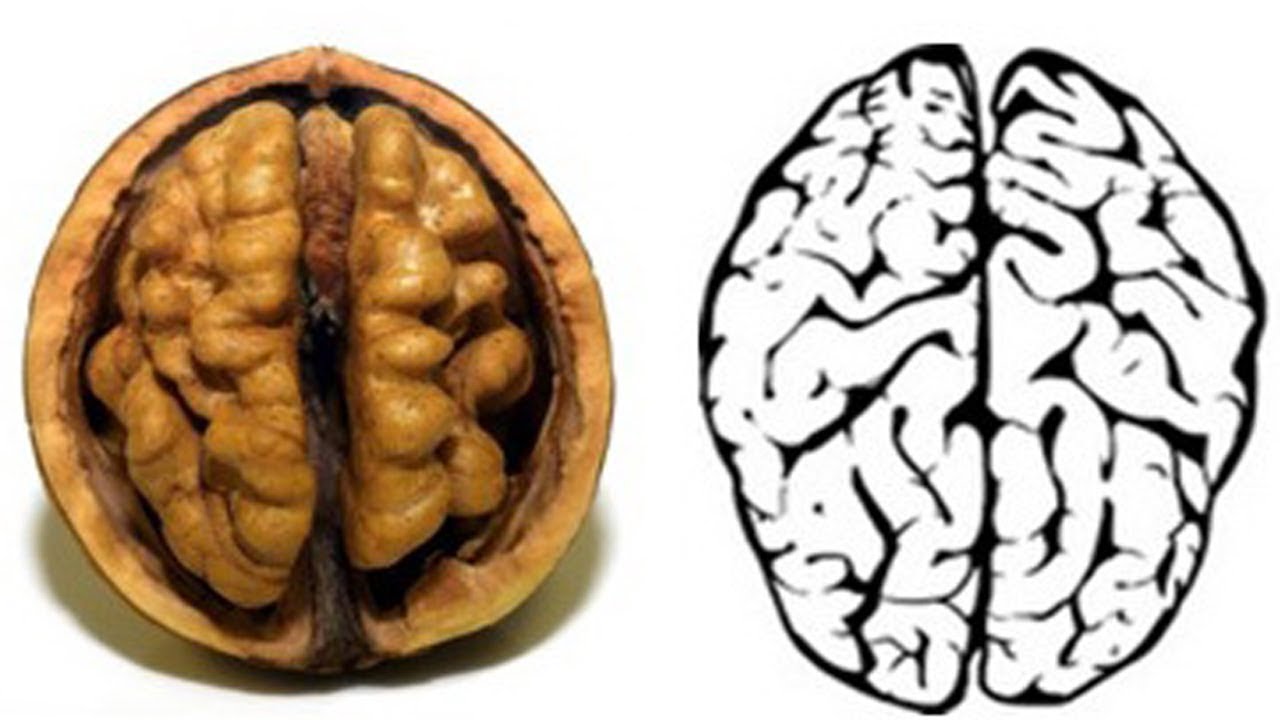
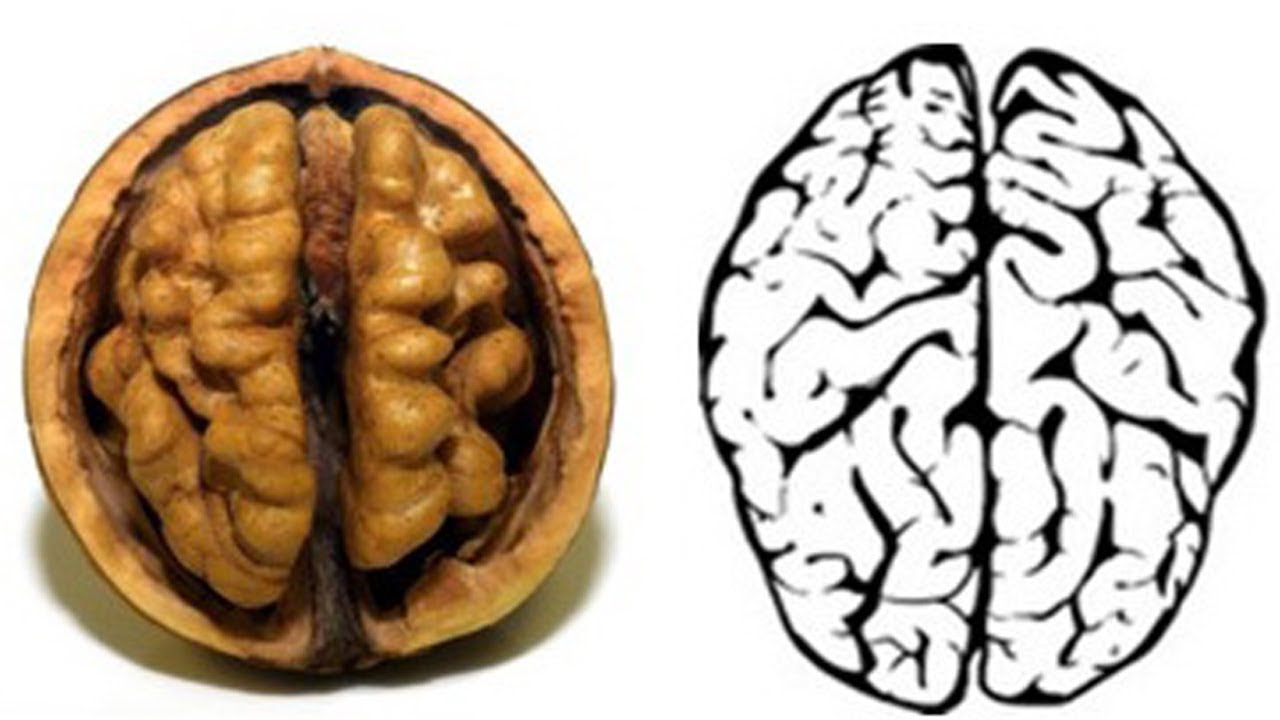
It’s often said that nature has a way of hinting at the health benefits of various foods by shaping them like the organs they benefit most. Walnuts and kidney beans are perfect examples of this, with their remarkable resemblance to human brains and kidneys, respectively. While this idea stems from the ancient “Doctrine of Signatures,” modern science also supports the health benefits of these foods, although the reasons are more nutritional than visual.
Walnuts and Brain Health
Appearance: When you crack open a walnut, the kernel inside resembles the human brain, with left and right hemispheres, upper cerebrums, and lower cerebellums.
Health Benefits:
- Rich in Omega-3 Fatty Acids: Walnuts are a great source of alpha-linolenic acid (ALA), a type of plant-based omega-3 fatty acid, which is crucial for brain health. Omega-3 fatty acids help reduce oxidative stress in the brain, aid in neurogenesis (the growth of new neurons), and enhance brain signaling.
- Packed with Antioxidants: These nuts are high in antioxidants, which help combat oxidative stress and inflammation, both of which are culprits in cognitive decline and aging.
- Supports Neuroprotection: Regular consumption of walnuts may help protect against age-related cognitive decline and reduce the risk of neurodegenerative diseases like Alzheimer’s.
Kidney Beans and Kidney Health
Appearance: Kidney beans are named for their visual similarity to the human kidney, with their curved shape and reddish-brown color mirroring the organ.
Health Benefits:
- High in Fiber: The high fiber content in kidney beans helps reduce cholesterol levels, thus reducing the risk of heart disease. Good cardiovascular health supports kidney function by maintaining healthy blood pressure levels.
- Rich in Proteins and Minerals: Kidney beans are a great vegetarian source of protein, which is essential for muscle repair and growth. They also contain essential minerals like potassium and magnesium, which aid in maintaining healthy blood pressure, an important factor for kidney health.
- Low in Fat: The low-fat content in kidney beans makes them an ideal dietary component for maintaining a healthy weight, thereby reducing the strain on kidneys.
Integrating Walnuts and Kidney Beans into Your Diet
Walnuts: Add a handful of walnuts to your diet by incorporating them into breakfast cereals, salads, or snacks. They can also be ground and used in baking or as a topping for yogurt.
Kidney Beans: Kidney beans can be enjoyed in a variety of dishes. They make excellent additions to soups, stews, and salads, or can be mashed and used in vegetarian burger recipes. Make sure to cook them thoroughly, as raw or improperly cooked kidney beans contain toxins that can be harmful.
Conclusion
While the visual similarities of walnuts and kidney beans to our organs might be a playful nudge from nature, their real benefits are grounded in their rich nutritional profiles. Including these foods in your regular diet can contribute significantly to brain and kidney health, along with supporting overall wellness. Whether or not nature intended these resemblances, walnuts and kidney beans are undoubtedly beneficial for maintaining good health.



