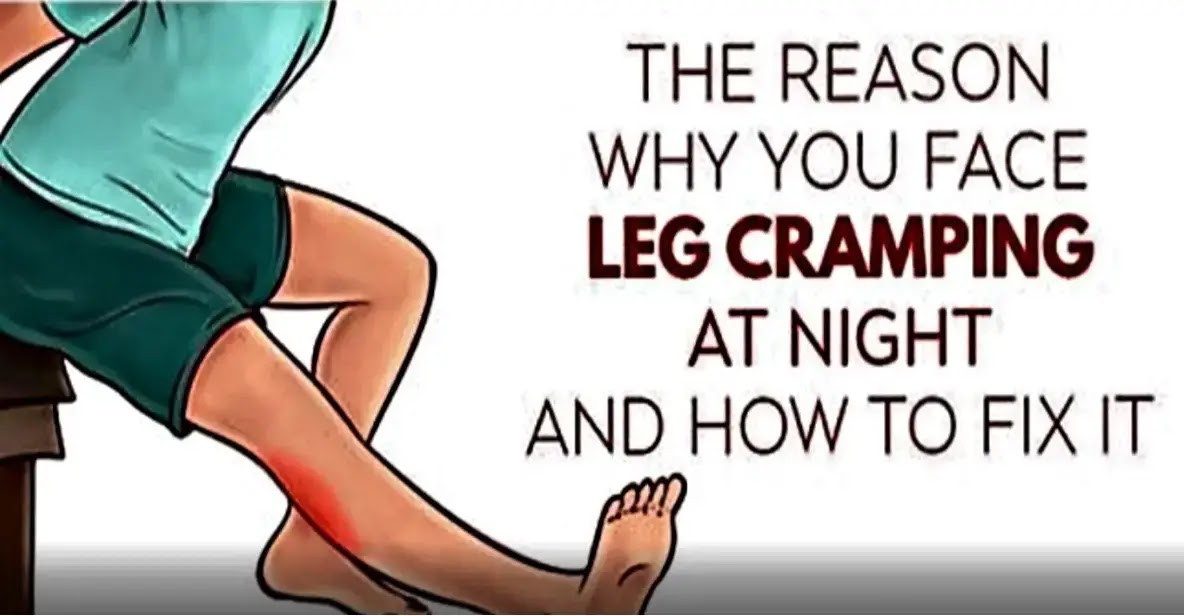
Encountering nighttime leg cramps can be uncomfortable, particularly as we age. Understanding what triggers these cramps and how to prevent them can lead to restful nights. Let’s explore some effective ways to tackle this common issue.
Nighttime leg cramps, also known as nocturnal leg cramps, manifest as sudden muscle spasms in the legs and can cause significant discomfort. Although typically lasting only a few minutes, the aftermath of tenderness might persist for a longer time.
The exact cause of leg cramps during the night isn’t entirely understood, but several potential factors could contribute. These include muscle fatigue, dehydration, sitting in one place for too long, or issues with nerve compression.
Age can play a role too, as these cramps are more prevalent among older adults. They’re also more common in those who engage in strenuous physical activities or jobs requiring prolonged standing each day. Despite these factors, anyone can experience these cramps.
To manage and potentially prevent nighttime leg cramps, staying hydrated is key. Drinking sufficient water throughout the day ensures muscles function correctly. It’s also beneficial to keep an eye on your electrolyte levels, as imbalances can increase cramp occurrences.
Regular stretching exercises before bed can significantly reduce the likelihood of cramps. By targeting your calf muscles and thighs with gentle stretches, you support muscle relaxation and minimize the risk of sudden spasms.
A warm bath or applying a heating pad to your leg muscles before bedtime can also help. The heat promotes relaxation and increases blood flow, reducing the chances of cramps during the night.
Consider your sleep environment too. Ensure your mattress and pillows provide proper support to avoid any unnecessary pressure on your legs, which can cause or worsen cramping.
In the midst of a cramp, flexing and massaging the muscle can bring instant relief. Try to stand or walk on the affected leg as well, as this can help signal the muscle to relax.
If these self-care measures don’t alleviate your cramps, it might be time to speak with a healthcare professional. There are medications and further recommendations they can provide to address underlying causes.
Remember, consistent efforts in maintaining a healthy lifestyle contribute significantly to reducing leg cramps. Balancing hydration, diet, and physical activity are crucial steps towards achieving comfort and a restful night’s sleep.
Understanding and managing nighttime leg cramps can pave the way for more peaceful, uninterrupted sleep, resulting in better days ahead.