
A gentle, practical guide to lowering uric acid and easing gout discomfort
If you have ever been woken up by a throbbing, tender joint that feels hot and tight, you are not alone. Many adults between 45 and 65 experience gout or gout-like flares. These painful episodes are linked to uric acid, a natural waste product that can build up in the body. When levels get too high, tiny crystals may form in and around joints, leading to inflammation and pain. While there is no instant switch to make crystals disappear overnight, there are reliable, time-tested steps you can take right away to help bring uric acid down and to protect your joints for the long term.
Before we begin, a quick, caring reminder. If this is your first severe flare, if the joint is extremely swollen and you have a fever, or if you have kidney disease, heart problems, diabetes, or you are on multiple medications, please contact your healthcare professional for personalized advice. The suggestions here are general and educational, and your doctor can tailor them to your health history and medicines.
What uric acid is and why crystals form
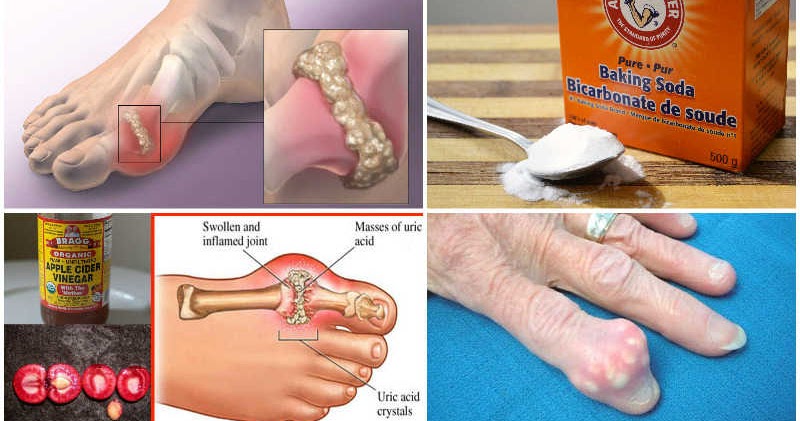
Uric acid forms when our bodies break down substances called purines. Purines are found naturally in our cells and also in certain foods. Normally, uric acid dissolves in the blood and leaves the body through the kidneys in urine. If the body makes too much uric acid or the kidneys cannot get rid of enough of it, the level in the blood can climb. When that happens, needle-like crystals may form in joints and nearby tissues. The big toe is a common spot, but ankles, knees, wrists, and fingers can also be affected.
Gout pain often comes on quickly and can be intense. The joint typically feels very tender to the touch, warm, and swollen. Even a bedsheet can feel heavy and irritating. Some people also develop gritty collections of crystals beneath the skin, called tophi, over time. The good news is that with everyday habits and, when needed, medications from your clinician, gout can be managed, flares can become less frequent, and joints can be protected.
First steps when a flare strikes
When pain flares up, rest the affected joint and keep it comfortable. If your clinician has recommended a specific medicine for gout attacks, such as an anti-inflammatory or colchicine, take it as directed and reach out to their office if you are unsure. Cooling the joint with a wrapped cold pack for brief periods may provide short-term relief. Avoid pressing or massaging the joint, as that can worsen irritation during an active flare.
Just as important, begin focusing on gentle hydration. Drinking enough fluids helps your kidneys do their job of clearing uric acid. Plain water is best. If you like a little flavor, try adding a slice of lemon or a splash of tart cherry juice to a tall glass of water. Small sips throughout the day are easier on the stomach than large amounts at once. If you have been told to limit fluids due to heart or kidney conditions, ask your clinician how much is appropriate for you.
How to help lower uric acid day by day
Although there is no overnight cure, steady daily habits gradually reduce uric acid and the chances of future flares. Think of it like gently turning down a thermostat rather than flipping a switch. Over weeks and months, these steps can make a meaningful difference.
Nourishing meals play a big role. Choose foods that are naturally lower in purines and support overall health. Fill your plate with colorful vegetables, fruits, whole grains like oats and brown rice, beans in moderate portions if they agree with you, and nuts or seeds as small snacks. Many people find that including low-fat dairy, such as yogurt or milk, can help because it may support uric acid excretion. If you prefer dairy alternatives, look for unsweetened versions to avoid added sugars.
On the other hand, limiting certain foods can help keep uric acid from rising. Organ meats such as liver, kidney, and sweetbreads are especially high in purines. Certain seafoods, including anchovies, sardines, mussels, scallops, and trout, can also raise levels for some people. Reducing these choices and enjoying other protein sources, such as poultry or plant-based proteins in sensible portions, may be easier on your joints. If you enjoy fish, varieties like salmon in modest portions can be a more comfortable option for many, but pay attention to your body’s response and your clinician’s guidance.
What to consider with drinks and sweets
Alcohol and sugary beverages deserve special attention. Beer and spirits can raise uric acid and may trigger flares in some individuals. Wine may have a smaller effect, but it can still be a problem for others. If you choose to drink alcohol, consider reducing the amount or skipping it during times when your joint feels sensitive. Meanwhile, drinks sweetened with high-fructose corn syrup, including many sodas and specialty juices, can increase uric acid. Replacing these with water, sparkling water, or unsweetened tea is a simple step that pays off.
For a refreshing change, try a glass of diluted tart cherry juice now and then. Some people find it helps with comfort, and while it is not a cure, it can be part of a balanced approach. Keep portions modest to avoid extra sugar, especially if you are managing blood sugar levels.
Weight, movement, and balance
Carrying extra weight can raise uric acid and put more stress on the joints. Even a gradual weight loss, if it is needed and safe for you, can bring benefits. The key is to be gentle. Rapid, extreme dieting or fasting can actually trigger gout flares by shifting purine metabolism too quickly. A calm, steady approach to weight loss, with balanced meals and regular movement, is kinder to your body and joints.
When your joint is not flaring, include comfortable activities you enjoy, such as walking, swimming, or cycling on a stationary bike. If a joint is sore, lower-impact movements or shorter sessions may be more comfortable. The goal is consistency, not perfection. If you have arthritis in multiple joints or other health conditions, a short conversation with a physical therapist or your clinician can help you find a routine that feels good and fits your day.
Medicines, conditions, and conversations with your clinician
Some health conditions and medications can influence uric acid levels. Diuretics used for blood pressure or swelling, low-dose aspirin, and certain other medicines may raise uric acid. Do not stop any medication on your own, but it is worth asking your clinician whether an alternative would be suitable for you. If you have chronic kidney disease, heart disease, or diabetes, your care team can help you adjust your diet and medicines in a way that protects your overall health while also reducing gout flares.
For many people with repeated flares or very high uric acid levels, a long-term medication plan may be advised to lower uric acid steadily. These medicines are effective when used consistently and monitored by a clinician. Think of them as part of a complete plan that also includes healthy meals, good hydration, and comfortable movement.
Simple meal ideas that are friendly to your joints
Breakfast can be comforting and helpful for uric acid control. Try a bowl of oatmeal made with water or low-fat milk, topped with berries and a sprinkle of chopped nuts. If you prefer savory options, eggs with sautéed vegetables like spinach and bell peppers can be a good fit. Enjoy coffee or tea if you like them and your clinician has no concerns. Coffee in particular may offer some benefit for uric acid for certain people, though it is not a medicine and should be enjoyed in moderation.
Lunch and dinner can feature lean proteins and plenty of vegetables. Grilled chicken, lentil soup in moderate portions, or a tofu and vegetable stir-fry with brown rice are examples that many people find satisfying. Add a side salad with olive oil and lemon. For dessert, a piece of fruit or a small portion of yogurt keeps sugar intake in check while still feeling like a treat.
Snacks do not have to be complicated. A handful of almonds, a cup of low-fat yogurt, carrot sticks with hummus, or a crisp apple can keep you satisfied between meals and help prevent overeating at dinner. Sipping water regularly throughout the day will also help keep your energy steady.
Natural supports with encouraging evidence
Many readers ask about simple, natural additions they can make. While individual responses vary, a few options have some supportive evidence. Vitamin C from foods, such as oranges, strawberries, and bell peppers, may gently help lower uric acid for some people. If you are considering a vitamin C supplement, check with your clinician first, especially if you have kidney issues or take other medications.
Tart cherries and tart cherry juice are popular for their potential to support comfort during and between flares. If you try them, choose unsweetened or lightly sweetened versions and keep portions moderate. Low-fat dairy, such as milk or yogurt, may encourage the body to excrete uric acid more effectively. None of these are cures, but they can be part of a thoughtful routine alongside medical advice.
Staying comfortable during a flare
During a flare, protect the joint and keep it elevated when possible. If shoes put pressure on a painful toe, consider roomy, soft footwear temporarily, or rest the foot to avoid extra irritation. Light, breathable bedding can make nighttime more comfortable. If pain is not improving or is severe, call your clinician’s office to discuss options they recommend for you.
It is also normal to feel frustrated or worried during a flare, especially if it interferes with sleep or daily plans. Be kind to yourself and remember that most flares settle. With consistent care, many people see fewer and less intense episodes over time.
When to seek prompt medical attention
If you develop a hot, very swollen joint with fever or chills, seek medical care promptly to rule out an infection. If you notice blood in the urine, severe back or side pain suggesting a possible kidney stone, or if the pain is dramatically worse than previous flares, get help. It is always appropriate to reach out to your clinician if you are unsure what to do next.
A realistic timeline and what “quickly” can mean
Many people hope for fast results, and that is understandable when you are in pain. While crystals do not vanish instantly, you can start helping your body today. Hydration, gentle rest for the sore joint, and avoiding high-purine foods and alcohol can reduce the strain on your system within days. Over the following weeks, steady habits and, if prescribed, uric acid–lowering medication can bring levels down to a safer range. The key is consistency. Even small improvements, repeated day after day, add up to meaningful relief.
Putting it all together in a day that works
Picture a calm, helpful routine. You begin the morning with a glass of water and a breakfast that keeps you satisfied, such as oatmeal with berries or eggs and vegetables. Later, you enjoy a midmorning tea or coffee and a light snack if you are hungry. At lunchtime, you choose a balanced plate with a lean protein, a large portion of vegetables, and a whole grain. In the afternoon, you take a gentle walk or do some comfortable stretches, sipping water as you go. Dinner features a simple home-cooked meal with plenty of vegetables and a modest portion of protein, and you unwind in the evening with a book or show, keeping alcohol to a minimum or skipping it altogether. If a joint is aching, you rest it, use cool packs carefully, and follow your clinician’s guidance.
Days like this are not about perfection. They are about steady steps that support your joints, kidneys, heart, and overall well-being. With time, many people notice that flares happen less often, and when they do occur, they are more manageable.
Common myths and reassuring facts
It is easy to stumble across dramatic promises about “flushing” uric acid or “melting” crystals with a single food or drink. While those claims can be tempting, the body simply does not work that way. Uric acid levels respond best to a combination of healthy eating, regular hydration, smart movement, and, when appropriate, doctor-prescribed medications. There is no magic bullet, but there is a dependable, practical path forward that respects your body and works with it.
Another common misunderstandings is that gout only affects men or only happens to people who overindulge in rich foods. In truth, women can also develop gout, particularly after menopause, and many people who eat carefully still experience flares due to genetics, kidney function, or other health conditions. If you have a flare, it is not your fault. What matters most is how you care for yourself from here.
Planning for the long term
Once you feel better, it can be tempting to forget about gout until the next episode. A better approach is to keep doing the small, steady things that help your body maintain a healthy uric acid level. Continue choosing lower-purine meals most of the time, keep alcohol and sugary drinks modest or avoid them, stay hydrated, and maintain regular, comfortable activity. If your clinician has prescribed a uric acid–lowering medication, take it as directed and keep follow-up appointments to monitor your levels and kidney function.
Keeping a simple notebook or using a phone note to track what you eat, how much water you drink, and when flares occur can be surprisingly helpful. Over time, you may spot patterns that help you fine-tune your choices. Bring these notes to your appointments so you and your clinician can make the best plan together.
A final word of encouragement
Living with gout or recurring joint pain can be discouraging, but there is real reason for hope. By focusing on hydration, balanced meals, gentle movement, and good medical care, you can lower uric acid, protect your joints, and feel more in control of your days. Start with the easiest step you can take today, and build from there. Each glass of water, each nourishing meal, and each comfortable walk is a vote for less pain and more freedom in the months ahead.
If you ever feel uncertain about the next step, reach out to your healthcare team. With your daily efforts and their guidance, you have a strong, sensible plan to prevent gout flares and ease joint discomfort over time.



