
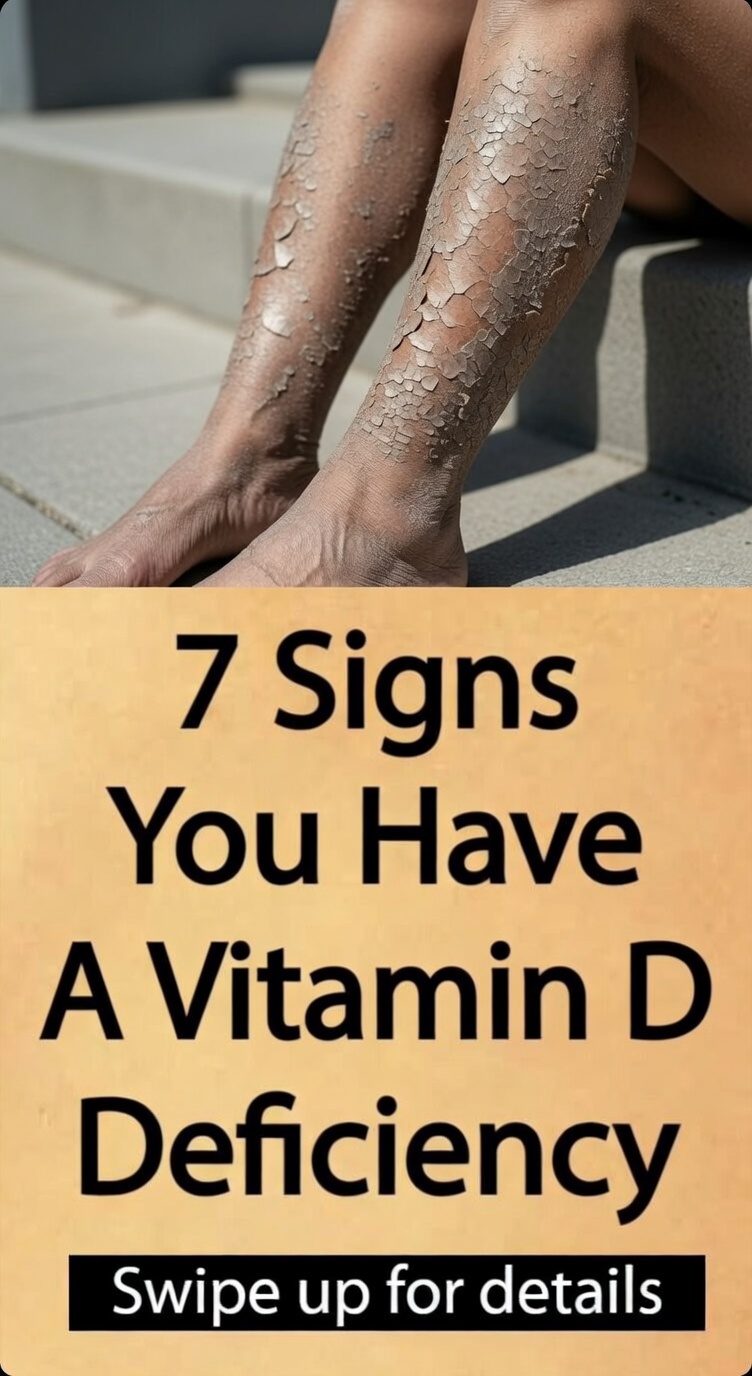
Many of us grew up hearing that sunshine helps keep us strong. Today, we know that much of that strength comes from vitamin D, a hormone-like nutrient your body makes with the help of sunlight. When your vitamin D runs low, it can feel as if your body has slipped into a quiet winter, even while the world outside is bright. Energy fades, moods dip, and the body’s usual spark seems to dim.
Think of vitamin D as a steady anchor. It helps your bones hold on to calcium, supports muscles so they move smoothly, guides immune cells so they respond wisely, and even helps your brain and nerves work with a clear, even rhythm. When that anchor loosens, small troubles can stack up. Recognizing the early signs can help you steer back toward steadier ground.
What follows are seven common signals of a vitamin D “drought,” explained in clear, everyday terms. If several of these sound familiar, consider a chat with your healthcare professional and a plan to gently restore your stores through sunlight, food, and—when it’s appropriate—supplements. You may be surprised how much brighter you feel when you’re re-anchored to the light.
1. The Marrow-Ache: Bone and Back Discomfort That Feels Deep
Some aches sit close to the skin—like a sore muscle after gardening. Others seem to come from deeper places, almost from within the bones themselves. Vitamin D helps your body absorb and use calcium, the mineral that keeps bones solid and dependable. When vitamin D is low, your skeleton can’t lock in that calcium as well, and the result may be a heavy, dull ache in your hips, ribs, or lower back.
You might notice this discomfort when you get up from a chair or when you lie in bed at night. It may feel like a steady throb rather than a sharp jab. Over time, a shortage of vitamin D can contribute to bone thinning, making everyday bumps more troublesome. If this sounds familiar, especially if you’ve had a fall or a small fracture from something minor, it’s worth checking your vitamin D level along with your bone health.
2. The Spirit-Dusk: A Low, Lingering Mood
We all have gray days. But if the gray lingers and feels heavier than usual, low vitamin D may be one piece of the puzzle. Vitamin D interacts with brain chemistry that helps keep our mood steady, including serotonin. When levels drop, you may notice a quiet, stubborn weariness of the spirit, a sense that joy takes more effort than it used to.
This doesn’t mean vitamin D is the only factor in mood, and it certainly doesn’t replace care from a professional if you’re struggling. Still, bringing your vitamin D back into a healthy range can be a gentle nudge in the right direction, often helping other supports—like fresh air, conversation, movement, and good sleep—work better.
3. The Lethargy-Tide: Tired for No Clear Reason
Fatigue has many causes. But one telltale sign of low vitamin D is a heavy, leaden tiredness even after a full night’s rest. Vitamin D helps your cells run their little power plants more smoothly. When you are low, your “get-up-and-go” may feel stuck, especially in the afternoon. You might sit down for a quick rest and find it hard to get moving again.
If you’ve already checked the basics—hydration, a steady sleep schedule, and regular meals—and you still feel a steady tide of tiredness, ask about a vitamin D test at your next appointment. Restoring your level may not fix everything at once, but many people notice clearer mornings and steadier energy within a few weeks of getting back on track.
4. The Slow-Heal: Cuts and Scrapes That Linger
Skin is a remarkable repairer. With the right building blocks, it closes small injuries quickly and keeps you well protected. Vitamin D helps your body coordinate that repair work. When you are running low, you may notice that a nick from the kitchen or a scrape from the yard takes longer to mend. Scabs may hang on, and the edges of a wound seem slow to settle.
While high blood sugar, poor circulation, or certain medications can also slow healing, vitamin D is a simple item to check and improve. Eating enough protein, drinking water throughout the day, and giving your skin gentle care adds to this healing effort, but vitamin D remains an important part of the signal system that says, “time to repair.”
5. The Shedding-Shadow: Thinning Hair and a Fickle Crown
Hair naturally changes with age, but a sudden increase in shedding or a noticeably thinner crown can be a sign that your body is undernourished in some way. Vitamin D plays a role in the cycle of hair growth, helping keep follicles active. When you’re low, more follicles may drift into a resting state, which can mean extra hair left behind on your brush or in the shower drain.
This sign is easy to miss because it can creep in slowly. If you’ve noticed more scalp showing than before, or your ponytail feels less full, consider your vitamin D status alongside other hair health basics like protein intake, iron, thyroid function, and gentle scalp care. Improving vitamin D won’t turn back the clock entirely, but it can support a healthier growth cycle over time.
6. The Fragile-Shield: Catching Every Little Bug
A sturdy immune system acts like a wise guardian—calm when things are safe, quick when it’s time to respond. Vitamin D helps immune cells tell friend from foe and react with precision. When you’re short on vitamin D, your defenses can feel a bit unsteady. You might find yourself picking up every cold that comes through the house or taking longer to bounce back than you used to.
Handwashing, sleep, and nutrition remain the bedrock of good immunity, but vitamin D is a quiet teammate often overlooked. If you’re tired of the merry-go-round of sniffles, aches, and coughs, a simple blood test and a few months of steady vitamin D can make a meaningful difference in how your body copes with seasonal challenges.
7. The Muscle-Twitch: Cramps, Jolts, and Unsteady Strength
Muscles and nerves rely on a smooth flow of signals. Calcium and magnesium move in and out of cells so your muscles can contract and relax on cue. Vitamin D helps regulate this flow. When levels are low, signals can get jumpy. The result may be leg cramps at night, little twitches in your eyelid or calf, or a general sense that your grip or steps are less sure than they should be.
If nighttime cramps or wobbly legs have become a regular guest, check your hydration and electrolyte intake—and consider asking about vitamin D at your next visit. Restoring your stores often brings calmer signals and steadier strength, especially when combined with gentle stretching and a bit of daily movement.
The Solar Re-Entry: A Friendly, Practical Way Back to Balance
Vitamin D is fat-soluble, which means it travels with fats from your meals. That simple fact can help you get more benefit from the sunshine and the foods you enjoy. Think of this as your warm, common-sense plan for re-anchoring to the light.
Sunlight remains the most natural way to make vitamin D. For many people, a short spell of midday sun on forearms and lower legs can help, though your skin tone, location, season, and the time of day all matter. As we age, our skin becomes less efficient at making vitamin D, so it may take more time or extra dietary help to reach a healthy level. Sunscreen is important for skin protection, so treat sunlight as a gentle, brief tool, not an invitation to burn. Even with careful sun habits, many older adults still benefit from food sources and supplements.
Food can carry vitamin D into your system if there is some fat alongside it. Oily fish such as salmon, sardines, trout, and mackerel are naturally rich in vitamin D and come with the right fats built in. Egg yolks and fortified foods can help too. If you take a vitamin D supplement, have it with a meal that includes healthy fats—like avocado, olive oil, yogurt, nuts, seeds, or a piece of fish—to act as a “fat anchor” and improve absorption.
Consistency matters. Small, steady steps—like including a vitamin D–rich food a few times a week, enjoying a modest bit of sunlight most days that you can, and taking your supplement with your main meal—often work better than occasional large efforts. Many people feel a lift in a few weeks, with fuller benefits arriving over a couple of months.
How much vitamin D is right for you depends on your current level, your overall health, your medications, and how your body absorbs nutrients. For many adults, daily intakes in the hundreds of international units are common, and some people need more for a period under medical guidance. Because vitamin D can build up in the body, it’s wise not to self-dose at very high levels without a plan. A simple blood test and a quick conversation with your clinician can point you to a safe, effective amount.
It can also help to make sure your body has the other pieces it needs to use vitamin D well. Magnesium supports the enzymes that activate vitamin D. Calcium is the mineral your bones need once vitamin D opens the door. Vitamin K2 helps direct calcium to the right places, like bones and teeth. You do not have to chase perfect numbers—just aim for a well-rounded plate with leafy greens, legumes, dairy or fortified alternatives, nuts, seeds, and colorful vegetables, and you will cover much of what your body needs.
Movement adds another quiet boost. Gentle strength training, walking, or light stretching signals your bones and muscles to stay engaged. When you pair movement with adequate vitamin D, you give your body both the materials and the message to maintain strength. Even ten minutes of simple chair exercises or a relaxed stroll after lunch can help.
Sleeping well supports all of this. When your sleep is steady, your hormones balance more smoothly, including those related to vitamin D and calcium handling. A dark, quiet room, a regular bedtime, and a calm wind-down routine can make a real difference. If sleep is tricky, this is another great topic to bring up at your checkup—you don’t have to figure it out alone.
Bringing Back the Light: Putting It All Together
If the signs above ring true—deep bone aches, lower mood, lingering tiredness, slow-healing scrapes, extra shedding, frequent bugs, and twitchy muscles—take heart. These are your body’s gentle signals, not a final verdict. Many people feel a clear, encouraging change once they replenish their vitamin D. Here is a simple way to get started, one calm step at a time.
Begin by noticing your everyday patterns. Do you spend most days indoors? Has your appetite changed? Do you skip the meals that include healthy fats? Are you recovering from an illness or surgery? These little shifts can add up to a vitamin D drought, especially over the darker months.
Next, talk with your clinician about a blood test to see where you stand. With that number in hand, you can choose a sunlight plan that suits your skin and season, add vitamin D–rich foods you actually enjoy, and, if needed, take a supplement at a dose that matches your needs. Remember the “fat anchor”: whether from a drizzle of olive oil, a few slices of avocado, a spoonful of yogurt, or a piece of salmon, a bit of healthy fat helps your body carry vitamin D from your plate to your bloodstream.
Finally, keep an eye on how you feel. Notice whether you wake a little brighter, stand a little taller, or find your steps steadier. Jot down changes in a small notebook if you like. Steady improvements over several weeks are a good sign that your anchor is catching hold again. If something still feels off, share what you are noticing at your next visit; your care team can help you make thoughtful adjustments.
Your body is wise. When it whispers, it is asking for simple, steady care. By restoring your vitamin D—the quiet solar anchor that steadies bones, muscles, mood, and immunity—you invite warmth back into your days. With a touch of sun, foods you enjoy, and a small, well-timed supplement if you need it, you can move from the shadows of a drought to the bright ease of a better-balanced life.
The Gentle Takeaway
Vitamin D is more than a nutrient; it is a signal that helps your whole system work in harmony. When it runs low, the body speaks up in familiar ways—aching bones, lower spirits, tired afternoons, slow repairs, thinning hair, frequent sniffles, and jumpy muscles. Listen to those signs. Then bring back the light with a calm plan: a little sunshine when it’s safe, wholesome foods that include natural fats, and, if needed, a supplement taken with a meal. In time, the body responds. Strength returns to the frame, energy feels clearer, and the day’s simple pleasures come into focus again.



