The Top 5 Health Benefits of Eating Chia Seeds
Chia seeds, tiny black seeds from the plant Salvia hispanica, native to Mexico, have gained popularity due to their wide array of health benefits. Packed with nutrients and easy to incorporate into various recipes, here are five compelling reasons to include chia seeds in your diet:
1. Rich in Nutrients With Few Calories: Chia seeds are a nutrient powerhouse. Despite their small size, they pack a significant nutritional punch. A mere 28 grams (about 2 tablespoons) of chia seeds contain:
- 11 grams of fiber
- 4 grams of protein
- 9 grams of fat (5 of which are Omega-3s)
- Calcium, manganese, magnesium, and phosphorus
- A decent amount of zinc, vitamin B3 (niacin), potassium, vitamin B1 (thiamine), and vitamin B2
This nutritional profile makes chia seeds a great way to boost the nutritional content of your meals without adding too many calories.
**2. High in Antioxidants: Chia seeds are rich in antioxidants, which help protect the body’s cells from free radicals. These antioxidants contribute not only to the health of the body’s cells but also to the stability of the chia seeds themselves, allowing them to last a long time without refrigeration.
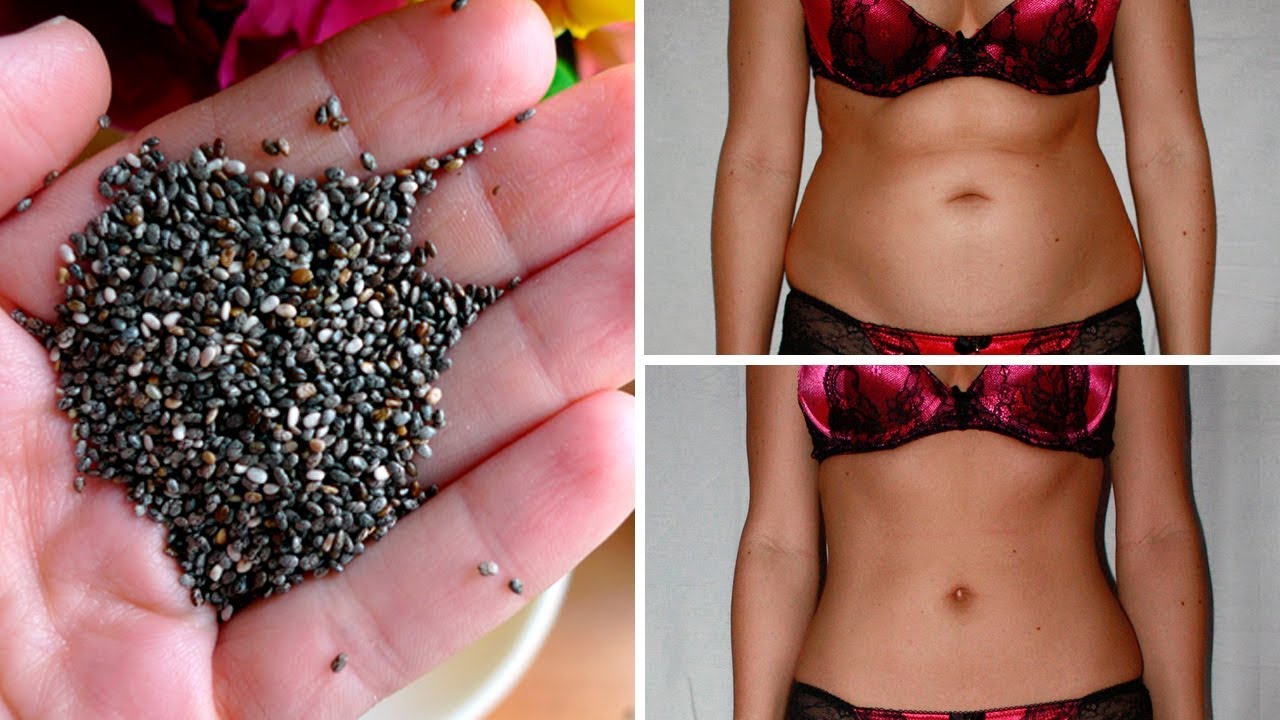
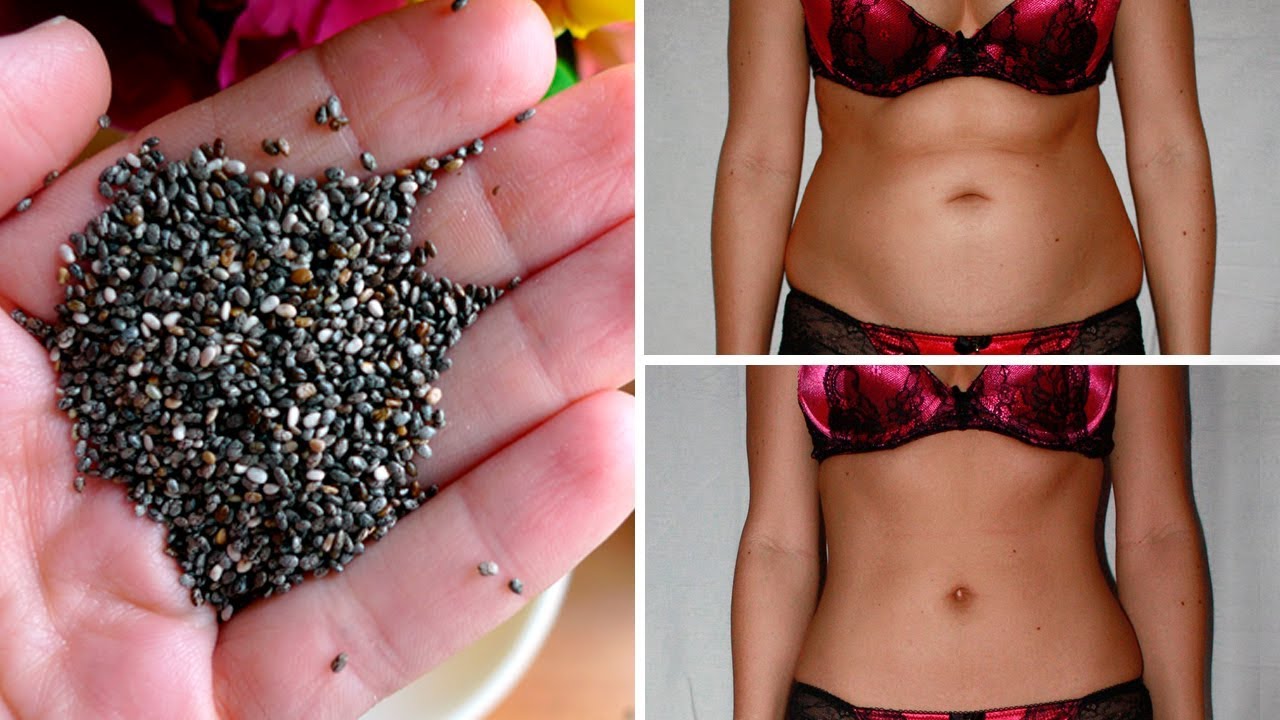
3. Weight Loss Friendly: The fiber in chia seeds can absorb a significant amount of water, expanding in your stomach and increasing fullness. This can lead to reduced food intake and feeling fuller longer, which may help with weight loss. Additionally, the protein in chia seeds could help reduce appetite and food intake.
**4. Bone Health: Chia seeds are high in several nutrients that are important for bone health, including calcium, phosphorus, magnesium, and protein. The calcium content is particularly impressive — gram for gram, chia seeds provide more calcium than most dairy products, making them a valuable source of calcium for people who do not eat dairy.
**5. Improves Heart Health: Chia seeds have been shown to improve blood pressure in diabetics and may increase levels of HDL (the “good”) cholesterol while reducing LDL (the “bad”) cholesterol and triglycerides. The omega-3 fatty acids in chia seeds can also fight inflammation and help lower the risk of heart disease.
How to Incorporate Chia Seeds into Your Diet: Chia seeds are incredibly versatile and can be added easily to various dishes:
- Sprinkle chia seeds on cereal, yogurt, or salads.
- Add them to baked goods like bread and muffins.
- Mix them into smoothies or soak them in juice or milk to make a chia pudding.
- Use chia seeds as a thickener in sauces or dressings.
Chia seeds are a whole-grain food, usually grown organically, non-GMO, and naturally free of gluten. Given their ability to absorb water and fat, they can be used to hydrate the body and as a replacement for egg in vegan cooking. Adding just a small amount of chia seeds to your daily diet can significantly boost your overall health and wellness.