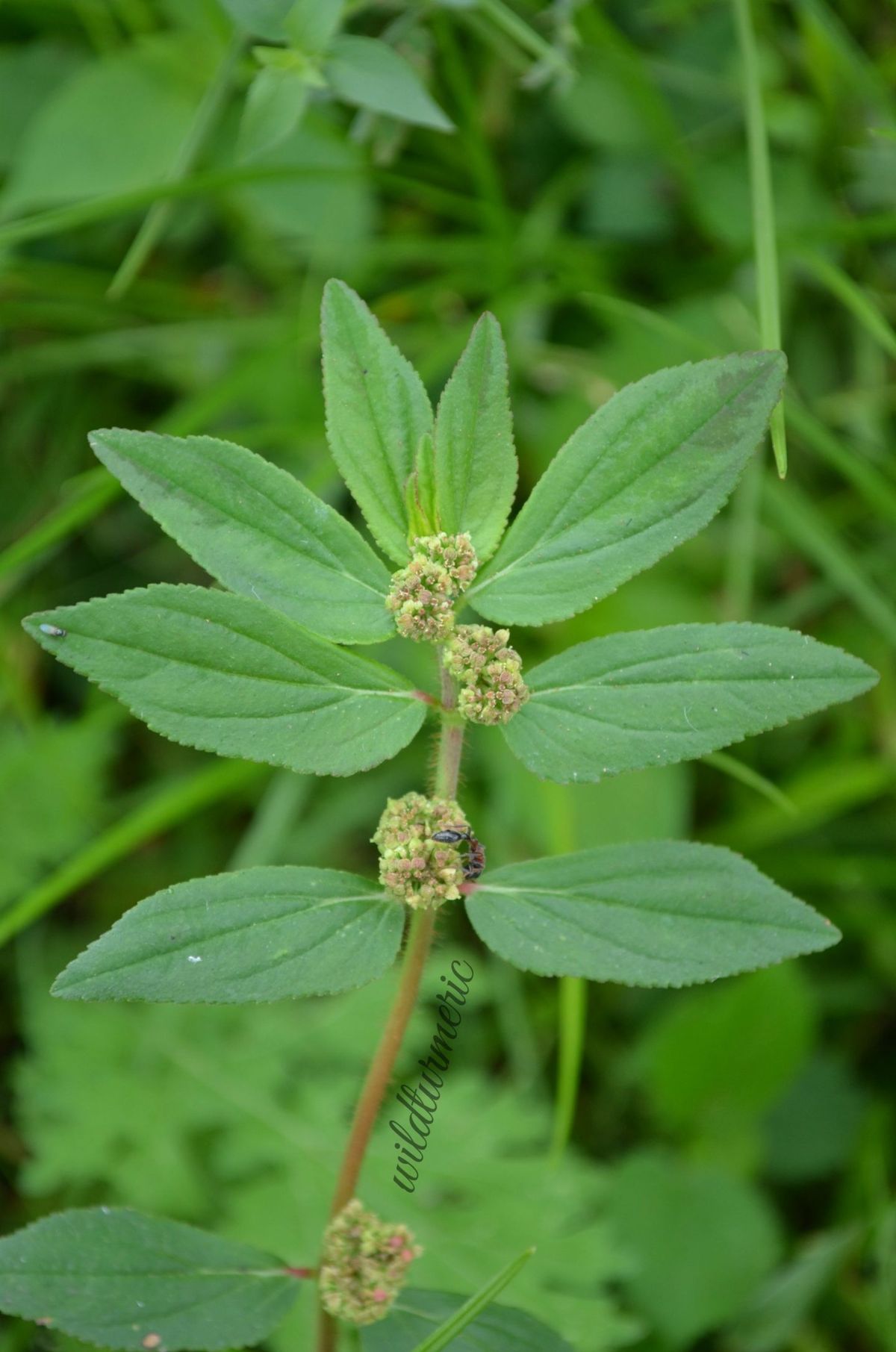
Nature has always been a source of healing, and one plant that has gained attention in many cultures is Euphorbia hirta. Known by names like asthma weed or tawa-tawa, this small herb grows in tropical regions and has been valued in folk medicine for centuries. Though it may look like just another roadside weed, Euphorbia hirta has an impressive history of traditional use.
Traditional Uses Around the World
- Respiratory Health 🌿
In many cultures, the plant has been boiled into teas to help ease breathing difficulties such as asthma, cough, and bronchitis — which is why it earned the nickname asthma weed. - Digestive Support 🌱
Traditional healers have used it to calm stomach problems, diarrhea, and intestinal worms. - Skin Health ✨
The latex or crushed leaves have been applied to minor wounds, rashes, or fungal infections. - Immune Support 💚
In some communities, Euphorbia hirta tea is used to strengthen the body during fevers, flu, or after illness.
How It’s Prepared
The most common method is making a herbal tea or decoction:
- Wash a handful of fresh Euphorbia hirta leaves.
- Boil in 3–4 cups of water for about 10 minutes.
- Let cool, strain, and sip in small amounts.
Some also dry the leaves and use them for tea later.
Safety Notes ⚠️
While Euphorbia hirta has been widely used in traditional medicine, it should be taken with care:
- Always use moderate amounts — too much may cause stomach upset.
- Pregnant or breastfeeding women should avoid it unless guided by a health professional.
- People with serious medical conditions should consult a doctor before use.
A Humble Plant with Great Potential
Euphorbia hirta shows us that even the simplest plants can hold great value. From breathing comfort to digestive and skin support, this herb remains a trusted natural ally in many cultures.
The wonders of nature are often found in the most unexpected places. 🌿