Avoiding Common Bedtime Pitfalls
Getting a good night’s sleep is essential for our overall health and well-being, especially as we age. However, there are certain habits that can creep into our bedtime routine, making it harder to catch those precious Z’s. Let’s explore some of these habits that older adults should avoid to ensure restful sleep.
Using Electronics Right Before Bed
Many of us are guilty of scrolling through our phones or watching TV just before hitting the sack. Unfortunately, the blue light emitted from these devices can interfere with our body’s natural sleep cycle, making it difficult to fall asleep. It might be a good idea to switch off electronics at least an hour before bed.
Consuming Caffeine in the Evening
A cup of coffee or tea later in the day might seem harmless, but caffeine can stay in your system for hours, keeping you alert long after your last sip. Opting for decaffeinated versions or herbal teas in the evening can be better for your sleep.
Heavy Meals Before Bed
While a late-night snack might be tempting, having a heavy meal before bed can cause discomfort and disrupt sleep. Try to have your last big meal a few hours before bedtime to give your body plenty of time to digest.
Irregular Sleep Schedule
Consistency is key when it comes to sleep. Going to bed and waking up at different times each day can disturb your internal clock and lead to poor quality sleep. Try to stick to a regular sleep schedule, even on weekends.
Ignoring a Comfortable Bedroom Environment
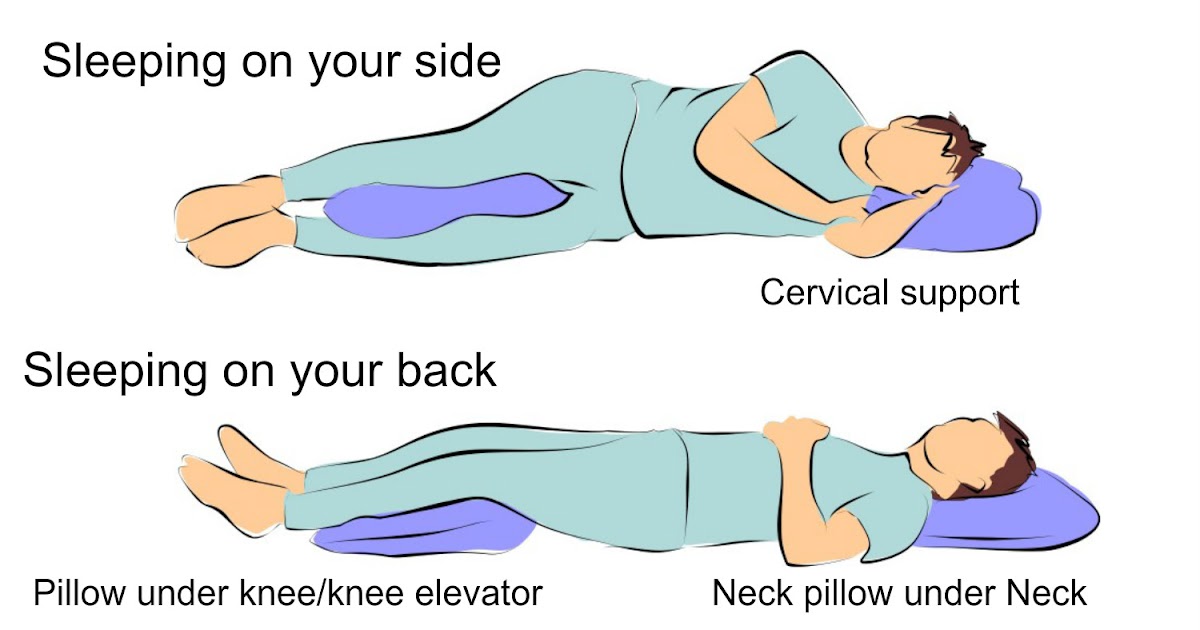
A peaceful and comfortable bedroom environment is crucial for good sleep. Make sure your bedroom is dark, quiet, and cool to encourage restful slumber. Investing in a comfortable mattress and pillows can also make a significant difference.
Loud Noises
Noise can be a significant sleep disruptor, especially for those of us who already have trouble falling asleep. Consider using earplugs or a white noise machine to drown out any disturbing sounds.
Avoiding Physical Activity
Regular physical activity can help you fall asleep faster and enjoy deeper sleep. However, exercising too close to bedtime might have the opposite effect. Try to wrap up exercise at least a few hours before you plan on sleeping.
Letting Stress Take Over
High stress levels can make it tough to wind down at night. Engaging in relaxing activities such as reading, meditation, or gentle yoga before bed can help ease stress and promote better sleep.
Napping Too Late in the Day
While naps can be refreshing, taking them too late in the afternoon or evening might make it harder for you to sleep at night. If you do need a nap, aim for earlier in the afternoon and keep it short.
Consuming Alcohol Before Bed
Though a nightcap might make you sleepy, alcohol can disrupt your sleep cycle, leading to a fitful night of rest. It’s best to limit alcohol consumption well before bedtime.
Leaving Problems Unresolved
Going to bed with unresolved issues or worries can leave your mind racing, making it difficult to fall asleep. Try jotting down your thoughts or concerns in a journal to clear your mind before turning in.
Ignoring Sleep Disorders
If you’re consistently having trouble sleeping or suspect a sleep disorder such as sleep apnea or insomnia, it’s crucial to speak to a healthcare professional. Early intervention can improve your sleep quality and overall health.
By avoiding these troublesome bedtime habits, you might find it easier to drift into a peaceful and rejuvenating sleep, helping you to wake up refreshed and ready for the day.