
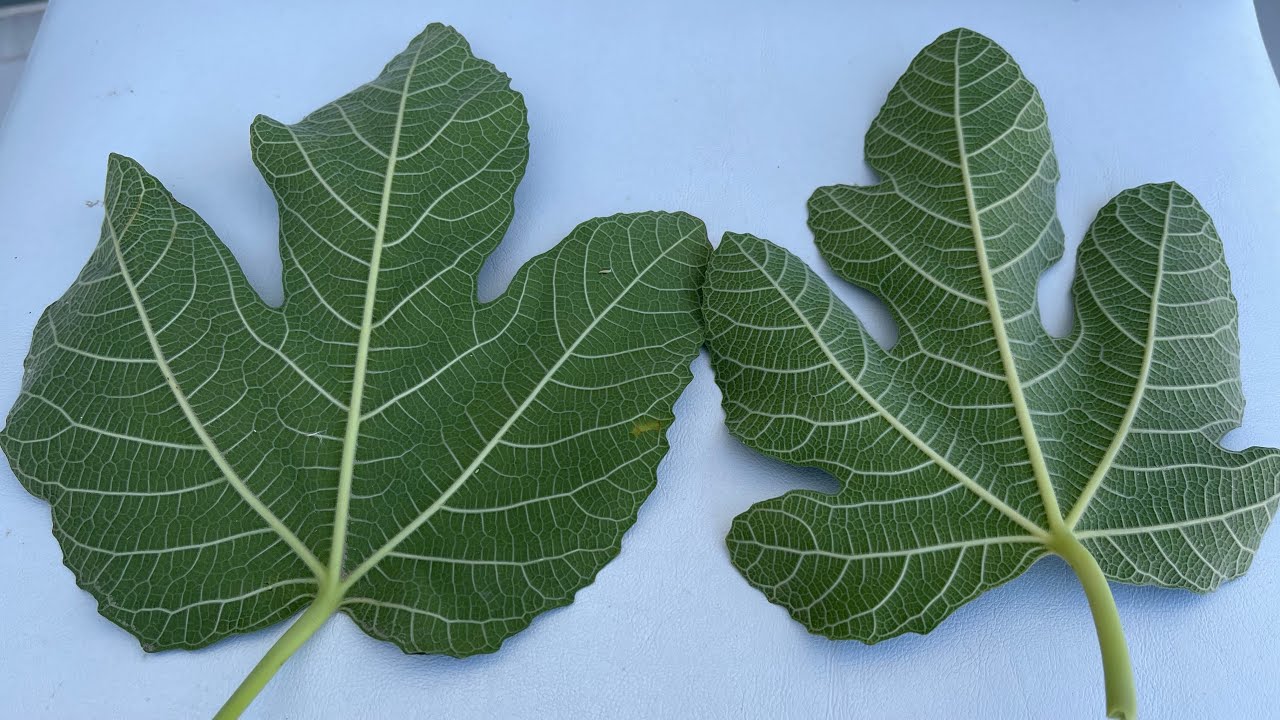
As summer winds down, fig trees quietly shed their fruit—and their leaves. While figs get all the attention, the leaves are just as special. If you have access to a fig tree, now is the perfect time to gather the leaves before the season ends.
Why? Because fig leaves are packed with natural health benefits that have been used in traditional remedies for generations.
The Quiet Power of Fig Leaves
Fig leaves are more than just shade for the fruit—they contain a variety of compounds that may support:
- Blood sugar balance
Studies suggest fig leaf tea may help support healthy insulin function, making it a gentle, natural aid for blood sugar management. - Digestive health
Fig leaves are known for their soothing effect on the gut. Drinking fig leaf tea can help reduce occasional bloating and discomfort. - Heart health
With natural antioxidants and fiber-like compounds, fig leaves may help support healthy cholesterol levels and circulation. - Skin support
The leaves contain natural enzymes that have been used topically (with care) for certain skin issues, though always under guidance and never on broken skin.
How to Harvest and Use
- Pick leaves that are green, healthy, and free of damage.
- Wash and dry them thoroughly.
- Air-dry in a cool, shaded place for 1–2 weeks, then store in a glass jar.
Fig Leaf Tea Recipe
To make a simple tea:
- Boil 1–2 dried fig leaves in 2 cups of water.
- Simmer for 10 minutes.
- Strain and enjoy warm.
Drink once daily, preferably in the morning or after a meal.
Conclusion
Fig leaves might not be the star of the tree, but they’re a hidden gift from nature. Before the season ends, gather a few and dry them. A simple cup of tea from these leaves can be a gentle way to support your health—naturally and gracefully.



