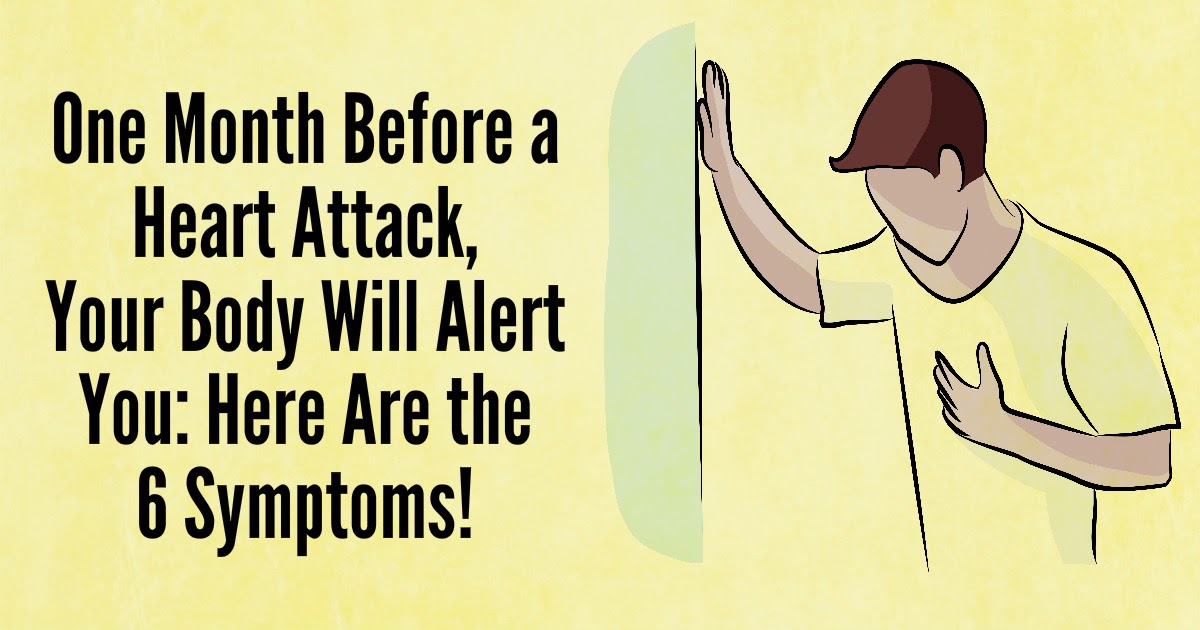
Our body often gives us important signals that something isn’t quite right. Being aware of potential warning signs can be crucial, especially when it comes to something as serious as heart health. If you or anyone you know is concerned about heart attacks, it’s important to pay close attention to what your body might be telling you.
What Is a Heart Attack?
A heart attack, medically known as a myocardial infarction, happens when blood flow to a part of the heart becomes blocked. This blockage can cause damage to the heart muscle, sometimes leading to serious health complications or even death if not treated promptly. Understanding the early symptoms can make a big difference in getting timely help.
1. Unusual Fatigue
Feeling unusually tired or exhausted, even when you’ve had enough rest, might be a sign that your heart isn’t working properly. Be mindful if this fatigue is persistent, especially if it gets worse with activity and seems to come out of nowhere.
2. Sleep Disturbances
Experiencing trouble sleeping or frequent waking during the night is another potential warning sign. This might be due to the body’s inability to deliver enough oxygen to the heart during rest.
3. Shortness of Breath
Shortness of breath, also known as dyspnea, can occur with or without physical exertion. If you notice that you’re getting breathless doing activities that used to be easy, it may be time to check in with your doctor.
4. Indigestion or Nausea
While it might seem unrelated, your stomach can react when your heart isn’t functioning well. Indigestion, nausea, or even vomiting can be early indicators of a heart problem.
5. Aches and Pains
Pain is one of the most recognized symptoms associated with heart attacks. It can present itself not only in the chest but also in other areas such as the shoulders, neck, jaw, or arms.
6. Anxiety and Restlessness
A feeling of intense stress or an impending sense of doom for no known reason can sometimes be your body’s way of alerting you to a potential heart issue.
Taking Action
If you or someone you know is experiencing these symptoms, it is important to consult a healthcare professional as soon as possible. Early detection and treatment could save a life.
Remember, these signs don’t necessarily mean you’ll have a heart attack soon, but being informed and cautious is always the right approach.
Conclusion: Listen to Your Body
Always trust your instincts when it comes to your health. By staying alert to these potential warning signs, you can take action early and seek medical advice. Heart health is something that affects us all, and taking steps to understand the signs can lead to better outcomes.