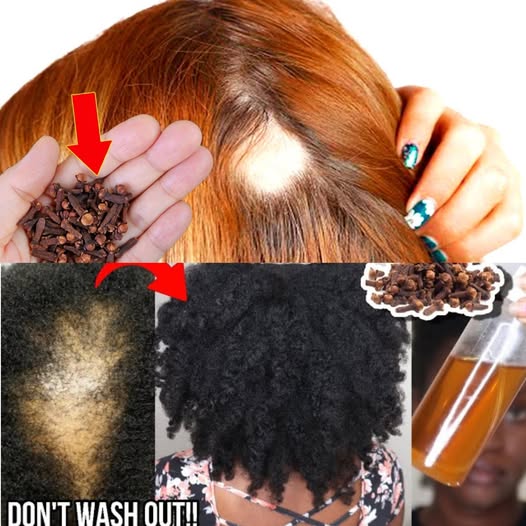
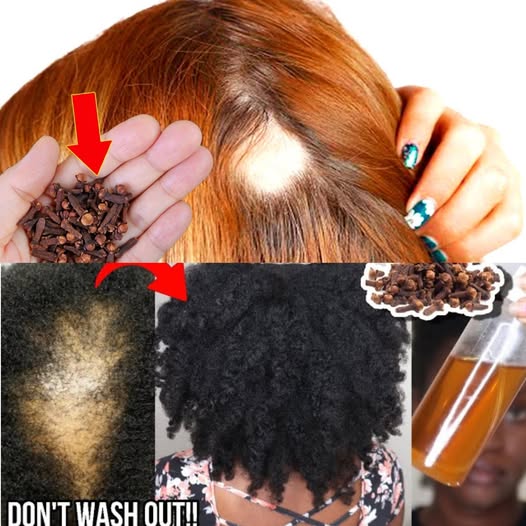
If you have been looking for a gentle, budget-friendly way to encourage fuller hair and a calmer scalp, cloves may pleasantly surprise you. This familiar kitchen spice has a long history in traditional care, and many people find it helps invigorate the scalp, reduce flaking, and support stronger-looking strands. What makes cloves stand out is a natural compound called eugenol. When applied to the scalp, eugenol can help stimulate local circulation, which simply means more nourishment reaches your hair roots. Cloves also contain antioxidants and a touch of Vitamin K, both of which support the look and feel of resilient hair.
While no home remedy can replace professional advice or guaranteed medical treatments, a well-made clove rinse or spray can become a soothing daily habit that supports the scalp’s environment. Many people enjoy a light, tingling sensation after application. That gentle tingle is a sign of increased circulation at the skin’s surface, often described as a refreshing wake-up for sleepy follicles.
How Cloves Help from the Root Up
Cloves seem to help in several simple but meaningful ways. First, the eugenol in cloves encourages blood flow right where you apply it. Better circulation means oxygen and nutrients can more easily reach the base of your hair follicles, the place where each hair begins. Over time, a well-nourished follicle is more likely to produce hair that looks thicker and feels stronger.
Second, cloves have natural properties that help keep the scalp’s ecosystem balanced. Many people who struggle with occasional flaking or itchiness find that a clove rinse helps calm the scalp and makes it feel cleaner between washes. A calmer scalp is an easier place for healthy-looking hair to grow.
Third, the antioxidants in cloves can help protect the hair shaft from everyday wear and tear. Hair faces heat, sun, wind, and styling, all of which can sap its shine. By supporting the strand’s outer layer, clove rinses may help hair look smoother and less prone to breakage.
Some people also notice that regular clove rinses deepen the look of their natural color. This is not the same as changing gray hair back to its original shade, and results vary from person to person. However, with frequent use, a soft, richer tone may develop, especially on darker hair. Think of it more like a natural tea stain for hair, gentle and gradual, rather than a dye.
The Daily Clove “Hair Tea” Spray
One of the easiest ways to enjoy the benefits of cloves without leaving hair oily is to make a light clove tea and use it as a scalp spray. This simple preparation is quick, economical, and comfortable to use every day after your shower or before bedtime. The light, spicy scent fades as it dries, and the formula feels refreshing rather than heavy.

Ingredients: For a practical household batch, combine about two cups of clean water with two level tablespoons of whole dried cloves. Whole cloves are easy to strain and tend to produce a clean, clear tea. If you prefer a milder scent, use one tablespoon instead. Keep a small spray bottle ready for storage in the refrigerator. If your hair and scalp tend to be very dry, you can later add a few drops of a light oil to the finished, cooled tea to help the benefits cling to the hair shaft a little longer.
Instructions: Bring the water to a gentle simmer, then add the cloves. Reduce the heat and let them steep for ten to fifteen minutes. You do not need a rolling boil; a gentle simmer allows the spice to release its goodness without becoming too strong. Turn off the heat and let the mixture cool completely. Strain out the cloves carefully so no tiny pieces remain. Pour the clear tea into your clean spray bottle and store it in the refrigerator. Shake before each use.
How to apply: Start with a clean scalp. Part your hair in sections and lightly mist the tea directly on the scalp, not just the hair’s surface. Use your fingertips to massage for two to three minutes, moving in small circles. This massage is almost as helpful as the tea itself because it naturally boosts circulation. Allow the spray to dry without rinsing. If you prefer to rinse, wait at least thirty minutes to give the scalp time to enjoy the full effect. Many people use the spray daily or every other day. If your scalp feels sensitive, scale back to two or three times a week.
Why This Simple Spray Can Rival a Pharmacy Purchase
First, it is remarkably cost-effective. A small bag of cloves can last for weeks, even with daily use, and needs only water and a minute or two of your time. Compared to specialty tonics that can be expensive and often run out quickly, your homemade clove tea is a fraction of the price.
Second, it is gentle and straightforward. With just two ingredients, you know exactly what you are putting on your scalp. For many people who are cautious about fragrances, dyes, or strong preservatives, a simple tea can feel like a breath of fresh air.
Third, it is versatile. The same spray that refreshes your scalp can help your hair look smoother and more manageable. Instead of buying a separate scalp treatment, a shine serum, and an anti-flake product, your clove tea brings together several benefits in one bottle.
What to Expect Over Time
Everyone’s hair has its own rhythm, and changes can be gradual, especially as we move through different stages of life. During the first one to two weeks, many people notice their scalp feels cleaner and calmer after each use. The light tingle during application is common and typically fades within minutes.
By weeks three to six, you may see less shedding in the shower or on your brush, along with a soft, healthy sheen on the hair. At around two to three months, some people spot short, soft new hairs along the hairline or crown. These are often called “baby hairs” and are a hopeful sign that the scalp environment is supportive. Results vary from person to person, and factors such as genetics, stress, nutrition, and medications all play a role in hair growth. Think of the clove spray as one helpful habit among many, rather than a miracle cure.
Tips for Different Hair and Scalp Needs
If your hair is fine and tends to look flat, use a lighter mist and focus mostly on the scalp rather than soaking the hair. Allow it to dry completely before styling, and keep the strength of the tea on the milder side.
If your hair is thick, curly, or coily, a slightly stronger tea can feel very comforting on the scalp. Part the hair in small sections so the mist reaches the skin underneath, and take an extra minute for massage to help distribute the tea where it counts.
If your hair is color-treated or very light, start with a milder brew and test a small section first. While most people do not notice a change in color, some may see a gentle deepening with frequent use. If that is not your goal, simply dilute the tea or use it less often.
If your scalp is dry, you can add a touch of moisture after the spray dries. A drop or two of a light oil rubbed between your palms and patted over the hair’s surface can help seal in softness without weighing hair down.
A Friendly Tip for Success
If you have very dry hair, you can add five small drops of coconut oil to your spray bottle after the tea has cooled and been strained. This helps the clove nutrients cling to the hair shaft a bit longer, and it can leave the hair feeling silky once dry. You will know the Follicle Awakener is doing its job when you feel a gentle, brief tingle on the scalp after application. That sensation is the sign of surface blood flow waking up to feed your hair’s roots. If the tingle ever becomes uncomfortable, dilute the spray with a little extra water and use it less frequently.
Making It a Relaxing Routine
Consistency is kinder to your hair than intensity. Choose a time of day that feels easy to remember, such as after your evening wash or before your morning walk. Keep your spray bottle where you will see it, and make the short scalp massage a calming ritual. Slow, circular motions across the temples, crown, and nape not only support circulation but also release tension, which many of us carry in the scalp without realizing it.
Pair your spray with other simple habits that help the scalp feel its best. A gentle, well-fitting brush, a soft pillowcase, and avoiding very tight hairstyles can all make a quiet difference over time. Drinking enough water and enjoying a colorful variety of foods supports your hair from the inside out.
Storage and Freshness
Because your clove tea is made with water and no preservatives, it is best to keep it in the refrigerator and use it within five to seven days. Before each use, give the bottle a shake and take a quick sniff. It should smell pleasantly like warm spice. If it ever smells sour or looks cloudy, it is time to make a fresh batch. When in doubt, throw it out and steep a new pot. The process is quick, and freshness matters.
If you love the routine and want a week’s supply, make a slightly larger batch and divide it into two small bottles. Keep one in the fridge for daily use, and freeze the other. Thaw in the refrigerator when you are ready, and enjoy the same freshness without extra work.
Safety and Common-Sense Cautions
Cloves are a spice, and like any plant, some people can be sensitive to them. Before your first full use, try a small patch test. Apply a little tea behind your ear or on the inner forearm and wait twenty-four hours. If your skin stays comfortable, you can move on to the scalp. Avoid using the spray on broken or irritated skin, and keep it away from your eyes. If contact occurs, rinse thoroughly with cool water.
If you have a known sensitivity to clove, eugenol, or similar spices, this recipe is not the right fit. People with ongoing scalp conditions or those using medicated treatments should check with a healthcare professional before adding new products. While the tea is very mild compared to essential oil concentrates, it is always wise to seek guidance if you take blood-thinning medications or have concerns about skin reactivity.
How This Compares to Store-Bought Tonics
Pharmacy tonics can be helpful, and many are designed for specific concerns. The simple clove tea spray is not a medicine, and it will not replace a doctor’s advice. What it can do is offer everyday support that feels pleasant and affordable. For some people, that steady support is exactly what helps the scalp feel healthier and the hair look fuller over time. If you are already using a topical treatment prescribed by your clinician, you can ask whether a gentle clove tea on days off might be a good companion to your routine.
Encouragement for the Journey
Hair changes are deeply personal, and it is normal to feel impatient. Even a helpful routine needs time to show its best results. The beauty of the Follicle Awakener is its simplicity. A few minutes of care, a hint of spice, and a soft massage create a small daily promise to yourself. Over weeks and months, these quiet minutes can bring a calmer scalp, more comfortable hair days, and a renewed sense of confidence.
Should you decide to try it, start gently, be consistent, and listen to your scalp. Celebrate the small wins, like less itchiness, a healthier sheen, or those soft baby hairs along the hairline. With patience and care, this humble kitchen spice can become a welcome ally in your hair routine, standing proudly beside—if not ahead of—far pricier bottles on the shelf.