
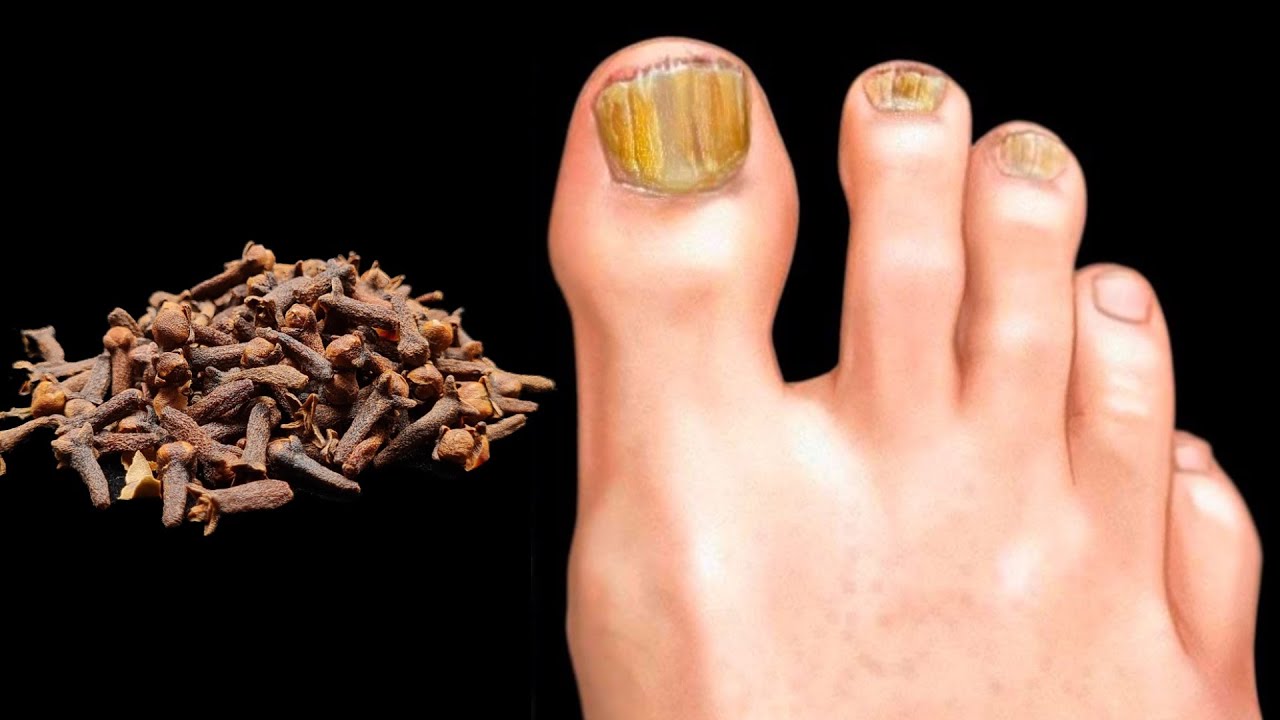
Nail fungus can be slow, stubborn, and frustrating. It may turn nails yellow or brown, make them thick and brittle, and sometimes cause soreness when wearing shoes. If you have tried creams or home remedies without much luck, you are not alone. Many people in midlife and beyond face this issue, especially after years of active living, closed-toe footwear, and everyday exposure in places like pools and locker rooms. The good news is that cloves, a well-known kitchen spice, offer natural support for healthier nails. With steady use and a little patience, clove-based care can help you reduce fungal overgrowth and encourage clearer, stronger nails.
Why Cloves Work Against Nail Fungus
Cloves contain a natural compound called eugenol. This compound has been widely recognized for its antifungal and antibacterial properties. In simple terms, it helps create an environment that is hostile to fungus while being gentle enough for regular use when properly diluted. Many people notice that clove-based care helps reduce discoloration, smooth the nail surface, and decrease the musty odor that can accompany nail fungus.
Another reason cloves can be useful is their ability to penetrate. When clove oil is diluted and massaged around the nail folds and cuticles, it can gradually reach the areas where fungus often hides. Over time, this may support the new nail growing in clearer and stronger. Because toenails in particular grow slowly, progress will not be overnight, but consistency pays off.
It is helpful to remember that nail fungus lives not only on the nail but also in the surrounding skin and under the nail plate. That is why a steady routine that treats the entire area and keeps feet clean and dry can make a meaningful difference. Cloves can play a central role in that routine.
Understanding Nail Fungus and Setting Realistic Expectations
Nail fungus often begins after a small opening in the skin or nail allows fungus to move in. It thrives in warm, moist places such as sweaty socks, tight shoes, and damp bathrooms. Over time, the nail may thicken, turn yellow or brown, and become crumbly at the edges. Fingernails can be affected too, especially for people who often have wet hands or who use shared tools at salons.
While clove-based remedies can help, they work best as part of a consistent routine. Improvements often begin with less odor, a cleaner-looking nail surface, and healthier skin around the nail. Full clearing takes longer. Fingernails can take several months to grow out, and toenails may take six to twelve months. The goal is steady progress. Every small change is a sign that you are heading in the right direction.
Remedies with Cloves for Nail Fungus
Before you begin any clove remedy, it helps to prepare the area. Start by washing and drying your feet or hands thoroughly. If the nail is very thick, you may gently file the surface with a clean, disposable nail file to remove loose, crumbly layers. Trimming the nail straight across makes it easier to keep clean. If you have diabetes, poor circulation, or numbness in your feet, speak with a healthcare professional or podiatrist before trimming or filing to avoid injury.
A patch test is a wise first step. Place a small amount of your diluted clove oil on the inner forearm and wait a full day. If you do not notice redness, burning, or itching, the remedy is more likely to be comfortable for you. If irritation occurs, rinse with mild soap and water and do not proceed with the treatment.
1. Clove Oil Treatment
The clove oil approach is simple and fits easily into a daily routine. Because clove essential oil is highly concentrated, it should be diluted before it touches the skin. A comfortable starting blend is one part clove essential oil to four or five parts of a gentle carrier oil. Olive oil, coconut oil, or almond oil work well for most people. If you have very sensitive skin, add a bit more of the carrier oil.
After you have mixed a small amount, wash and thoroughly dry the affected area. Use a clean cotton swab to apply the diluted oil to the top of the nail, the tip, the sides, and the skin right around the nail. Be sure to work it gently into the edge where the nail meets the skin because fungus often settles there. Allow the area to air dry. Many people like to do this twice daily, once in the morning after bathing and once in the evening before bed. With continued use, the new nail that grows in may appear clearer and smoother.
If you are using prescribed antifungal drops or a medicated lacquer, you can usually continue those as directed and use the diluted clove oil around the skin and cuticle later in the day. If you are unsure about combining treatments, a quick check-in with your healthcare provider can give you confidence.
2. Clove Soak
A gentle clove soak can help soften the skin and nail while delivering antifungal benefits to a wider area. You can prepare it with either whole cloves or a few drops of clove essential oil. If you have whole cloves, lightly crush a tablespoon with the back of a spoon to release their aroma. Pour hot water into a basin, add the cloves, and let the water cool until it is warm and comfortable to the touch. If you are using essential oil, add only a few drops to a basin of warm water after it has cooled slightly to preserve the aroma and avoid overly strong solutions.
Soak the affected nails for about fifteen to twenty minutes. Afterward, dry thoroughly, including between the toes, since moisture invites fungus to return. You can finish by applying your diluted clove oil treatment for added support. A clove soak once a day or every other day can be a soothing way to care for your feet and hands, especially if you enjoy a calm evening routine.
People with diabetes or reduced sensation in their feet should take special care to test the water temperature with a hand or a thermometer to avoid burns. If you have open cuts, ulcers, or significant skin breakdown, do not soak without medical advice.
3. Clove Paste
Another simple option is a clove paste, made from ground cloves and a few drops of warm water or carrier oil. The texture should be soft and spreadable, not runny. Apply a thin layer over the nail and onto the surrounding skin. Leave it on for twenty to thirty minutes, then rinse and dry well. This can be done several times a week. Some people find this approach helpful when they prefer to use whole spices rather than essential oils.
If you notice any stinging or discomfort, remove the paste, rinse the area, and try a milder dilution the next time. Remember, a gentle and steady routine is more effective over time than a strong blend that irritates the skin.
Daily Habits That Help Cloves Work Better
Clove remedies are most effective when paired with simple habits that keep nails clean and dry. Changing socks during the day when feet feel moist is a smart step. Cotton or moisture-wicking socks help keep feet comfortable. Shoes that breathe, or alternating shoes every other day, allow each pair to dry fully between wears. After bathing, pat feet dry and spend a moment drying between the toes. If you use nail tools, clean them after each use and avoid sharing them. These habits make it harder for fungus to take hold again while your nails gradually grow clearer.
For fingernails, try to limit prolonged contact with water by wearing gloves when washing dishes or cleaning. After any wet work, a quick dry and a small amount of diluted clove oil around the cuticles can help maintain progress.
How to Fit Clove Care Into Your Routine
Consistency is the secret. Many people do best with a predictable schedule. A brief soak or wash, a careful dry, and a small amount of diluted clove oil in the morning and evening is often manageable. Some keep their clove oil blend and cotton swabs near their toothbrush as a reminder. Trimming the nail once every week or two keeps edges neat, which can also improve the look and feel of the nail as it grows out.
It can be helpful to take a clear photo of the nail at the start and then again every few weeks. Because nails grow slowly, changes are easier to spot when you can compare pictures. Look for a slightly clearer area near the base of the nail where new growth starts. Over time, that clear band should move forward.
Benefits You May Notice
With regular use of clove-based care, you may notice less discoloration and a fresher, cleaner appearance of the nail. The nail surface may gradually look smoother and less crumbly. Many people report a reduction in odor and less tenderness when the nail rubs against a shoe. Skin around the nail can also look healthier, which is a sign that the environment is becoming less friendly to fungus.
It is important to be patient. Improvements often begin within a few weeks, but full results take time, especially for toenails. A fingernail might look clearly better after two to three months. A toenail can require six to twelve months to grow completely clear from base to tip. During that time, stay steady with your care routine and do not be discouraged by slow progress. Each new bit of healthy nail is a step forward.
Important Notes ⚠️
Clove essential oil is powerful and should be diluted before it touches the skin. A gentle dilution helps avoid irritation. Always perform a patch test on a small area of skin first. If you notice redness, itching, or burning, rinse and stop using it. Do not apply clove oil to broken skin or open wounds.
If you take blood thinners or have a bleeding disorder, speak with a healthcare professional before using clove oil, since eugenol can increase bleeding risk in some people. If you are pregnant, nursing, or have chronic medical conditions such as diabetes or circulation issues, a brief conversation with your doctor or podiatrist can help you tailor the routine safely.
Avoid getting clove oil in your eyes, mouth, or nose. Wash hands after application, or use cotton swabs to keep things tidy. Store your clove oil and mixtures out of reach of children and pets. Homemade mixtures are best made in small batches and refreshed regularly to keep them clean and effective.
When to Seek Professional Care
If your nail is very painful, lifting off the nail bed, or if several nails are involved, it is wise to see a professional. People with diabetes, nerve problems, or poor circulation should have nail changes checked early to prevent complications. A clinician can confirm that it is a fungal infection and not another nail condition that looks similar. In some cases, a prescription medicine may be needed. You can still use gentle clove care around the nail fold with your provider’s guidance to support the surrounding skin.
Common Questions, Answered Simply
Some people wonder whether whole cloves or essential oil works better. Both can help. Essential oil is more concentrated and should be diluted. Whole cloves are milder and can be used in soaks or ground into a paste. Choose the form that fits your comfort and routine.
Another question is how long to keep going. Keep up your routine until the entire nail has grown out clear. Stopping too soon can allow fungus to return. Even after the nail looks much better, continuing a light maintenance routine a few times a week is a helpful safeguard.
People also ask whether clove care can be used with over-the-counter antifungal creams or sprays. In many cases, yes. Using the cream as directed and applying diluted clove oil around the nail at a different time of day can be a sensible combination. If you have been prescribed a medicine, follow your prescriber’s instructions and ask how clove care might fit alongside it.
Finally, some wonder whether fingernail fungus is different from toenail fungus. The cause is similar, but fingernails are often exposed to more water and detergents. That means wearing gloves for wet work and drying hands well becomes even more important for fingernails.
Simple Ways to Prevent Reinfection
As your nails improve, prevention keeps them that way. Keep nails trimmed straight across and filed smooth to reduce places for fungus to hide. Rotate shoes so each pair can dry between wears. Consider putting your shower mat and socks through regular hot washes. If your feet tend to sweat, changing socks midday and letting shoes air out can make a big difference. For home nail care, clean clippers and files after every use. These steps support everything you are doing with cloves and protect your progress.
Gentle Encouragement for the Long Haul
It is completely understandable to wish for fast results. While clove care will not erase nail fungus overnight, it offers steady, natural support that many people find comforting and effective over time. The key is a calm, consistent routine, paired with good foot or hand hygiene, and simple prevention habits. Think of each small improvement as proof that your efforts are working.

Cloves have earned their place in natural self-care for good reason. They bring antifungal strength in a form that can be tailored to your comfort, whether that is a mild soak, a gentle paste, or a carefully diluted oil. For many adults in midlife and beyond, they also offer a sense of control and a soothing daily ritual that fits easily into an established routine.
Takeaway: Cloves can be a practical, 100% natural ally in your fight against nail fungus. Used consistently and safely, they help create a cleaner, healthier environment for your nails to grow clear and strong. Pair your clove routine with simple habits that keep nails dry and tools clean, and give your nails the time they need to renew. With steady care, you can look forward to seeing healthier nails looking back at you.



