
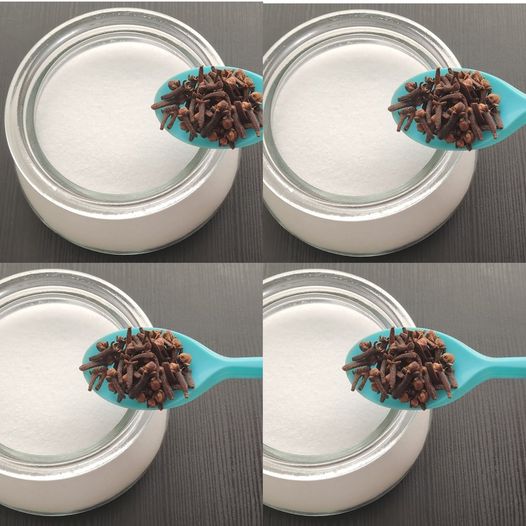
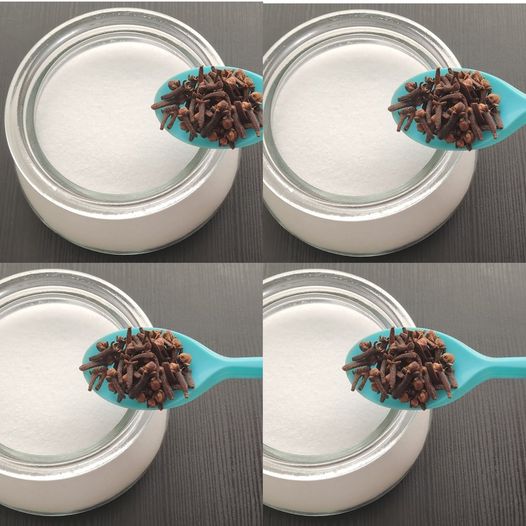
If you keep a box of baking soda in the pantry and a jar of cloves in the spice rack, you already own two of the most useful, budget-friendly helpers for a cleaner, fresher home. When you put them together, they do a wonderful job of absorbing odors, gently scrubbing surfaces, and leaving a naturally warm, welcoming scent. Best of all, you do not need fancy equipment or pricey cleaners to see results—just simple steps you can follow in a few minutes.
This friendly guide explains why baking soda and cloves make such a good team, how to mix and use them for everyday cleaning and freshening, and how to do it all safely. If you enjoy practical, no-fuss solutions that actually work, you will love these ideas.
Why Baking Soda + Cloves Work So Well Together
Baking soda and cloves may seem like an unusual pair, but they complement each other beautifully. Baking soda is famous for absorbing odors and gently lifting away grime. Cloves bring a warm, spicy aroma and contain natural compounds that help reduce odor-causing bacteria. Together, they create a clean scent you can actually enjoy, while keeping your home feeling tidy and comfortable.
Baking Soda
Baking soda, also known as sodium bicarbonate, is a natural odor absorber. Many unpleasant smells are acidic, and baking soda helps neutralize them. It also acts as a soft, mild abrasive, so it can remove residue on sinks and stovetops without scratching most household surfaces. Because it is gentle and unscented, it is perfect when you want to freshen a space without a harsh chemical smell lingering afterward.
Beyond deodorizing, baking soda helps with light cleaning in kitchens, bathrooms, and laundry rooms. It is inexpensive, easy to find, and safe to keep around the house when used as directed. That is why so many people rely on it to freshen refrigerators, trash bins, and carpets.
Cloves
Cloves are a familiar kitchen spice with a cozy, comforting aroma. Their pleasant scent comes from a natural compound called eugenol. This compound is part of the reason cloves have been used for generations to help with freshness and to discourage certain insects. You can use whole cloves, ground cloves, or a single drop of clove essential oil for a stronger scent. Even a small amount adds warmth and depth to the air without the artificial after-smell you sometimes get from store-bought sprays.
Because cloves are naturally aromatic and help tamp down odor-causing bacteria, they pair nicely with baking soda’s deodorizing power. The result is a simple, effective freshening blend that feels clean rather than perfumed.
Together, they create a powerful cleaner, deodorizer, and natural home freshener that you can adapt to different rooms and surfaces throughout your home.

Top Ways to Use Baking Soda + Cloves
1. Natural Air Freshener For Any Room
This easy mixture absorbs stubborn odors while releasing a warm, spicy scent that feels cozy and inviting. It is perfect for living rooms, bathrooms, guest rooms, and even the laundry area.
How to make it: Add one half cup of baking soda to a small jar or bowl. Stir in one teaspoon of ground cloves or drop in eight to ten whole cloves. If you prefer a stronger scent, you may add a single drop of clove essential oil, but that is entirely optional. Cover the jar with a piece of breathable fabric or a paper towel and secure it with a rubber band, or use a lid you have poked ventilation holes into. Set the jar on a stable surface out of direct sunlight.
Give the jar a gentle shake every few days to refresh the scent and expose more baking soda to the air. Replace the mixture about once a month, or sooner if you notice it has absorbed a lot of odor.
Results: The musty or stale smell fades, and the space smells naturally clean with a gentle, spicy note that does not overwhelm the room.
2. Insect-Repelling Carpet Powder
Cloves naturally discourage certain insects, such as ants and moths, while baking soda freshens and helps pull odors from carpet fibers. Used correctly, this makes your home feel cleaner and more comfortable underfoot.
How to use: In a small bowl, combine one cup of baking soda with one teaspoon of very finely ground cloves. If you have light-colored carpets and you are concerned about staining, test the mixture in a discreet corner first. For extra peace of mind on pale carpet, you can instead crush eight to ten whole cloves into larger, visible pieces and mix them into the baking soda so you can see and vacuum them up easily afterward. Lightly sprinkle the mixture across the carpet. Let it sit for fifteen to thirty minutes to absorb odors. Vacuum thoroughly, making several slow passes so you pick up the clove pieces along with the baking soda. Empty or change your vacuum canister or bag after use if you notice a strong clove scent inside the machine.
This method leaves carpets smelling fresh and helps deter certain insects, especially in entryways, closets, and high-traffic areas.
3. Quick Sink and Drain Freshener
This simple approach is helpful when the kitchen sink or garbage disposal smells a little stale. Baking soda absorbs the odor, and a warm clove infusion leaves a pleasant scent behind.
How to use: First, pour one half cup of baking soda directly into the drain. Wait five minutes to let it absorb odors. While you wait, make a quick clove infusion by simmering a cup or two of water with six to eight whole cloves for a few minutes, then turning off the heat. Slowly pour hot tap water down the drain to rinse the baking soda, followed by the warm clove water to leave a gentle scent. If you prefer, you can skip the infusion and simply run hot water and then finish with one or two whole cloves dropped into the disposal to be ground briefly before rinsing again. Do not pour large amounts of essential oil into drains, as oil can build up over time.
Odors settle down quickly, and the area smells clean with a light, spicy finish—without the chemical punch of a strong spray.
4. Shoe, Closet, and Trash Bin Deodorizer
Cloves help reduce odor-causing bacteria, while baking soda absorbs moisture and smell. This combination works especially well in shoes, closets, gym bags, and small trash cans where odors can build up.
How to use: Make simple sachets by filling a clean cotton sock, small cloth bag, or piece of folded cheesecloth with two tablespoons of baking soda and a quarter teaspoon of ground cloves, or use three or four whole cloves. Tie or secure it closed. Tuck the sachet into shoes at night, set it in the bottom of a small trash bin, or place it on a shelf in a closet. Refresh the mixture every two to four weeks, or sooner if you notice it has absorbed a lot of odor. For shoes with very strong odors, make two sachets per pair and alternate them so they have time to air out between uses.
This works better than many store-bought deodorizers because it manages both moisture and smell at the same time, and it leaves a pleasant, natural scent instead of a sharp perfume.
5. Gentle Surface Cleaner
This mild cleaner is ideal for sinks, stovetops, refrigerator shelves, and many sealed countertops. It gently loosens buildup without scratching most hard surfaces and leaves a subtle, homey fragrance.
How to use: In a small bowl, mix three tablespoons of baking soda with a pinch of ground cloves, then add just enough warm water to make a soft paste. Dab the paste onto a damp cloth or sponge and rub gently over the surface. Let it sit for a minute if there is stubborn residue, then rinse with clean water and wipe dry. For stainless steel sinks or cookware, rub in the direction of the grain for a smoother finish. Avoid using this paste on natural stone such as marble or granite, or on unsealed wood, as mild abrasives can dull or mark delicate finishes.
When you finish, your surfaces feel fresh and clean, without a chemical film or strong artificial scent.
Simple Variations You Can Try
You can tailor the mixture to your preferences without complicating the process. If you enjoy a holiday-style aroma, add a small pinch of ground cinnamon or a thin strip of dried orange peel to your jar freshener. For a softer scent on carpets and fabric, use whole cloves instead of ground cloves and allow the mixture to sit for a shorter time before vacuuming. If you prefer a slightly stronger fragrance in a large room, use a single drop of clove essential oil in your jar freshener, but skip essential oil altogether in homes with sensitive pets.
If you want a cleaner look on very light carpets, try placing the mixture in a shallow, open container and setting it in the room for a few hours, rather than sprinkling it directly onto the fibers. The baking soda will still absorb some odors from the air, and the cloves will give off their pleasant aroma without leaving color behind.
Why You Will Save Money
Using baking soda and cloves can replace a surprising number of store-bought products. A small jar of each can take the place of aerosol air fresheners, plug-in scent devices, carpet powders, shoe deodorizers, drain fresheners, and several gentle surface cleaners. Because baking soda is inexpensive and cloves are used in small amounts, the cost per use is only a fraction of most commercial products.
There is another kind of savings too. You will have fewer half-used bottles and sprays cluttering your shelves, and you will not need to chase down a special cleaner for each little job. A simple jar, a spoon, and two pantry staples can handle much of your routine freshening. That means less waste, more space, and a home that smells clean without the fog of artificial fragrances.
Storage and Shelf Life
Store your baking soda and cloves mixture in a dry, labeled container with a loose-fitting top if you want it to absorb odors from the air, or a tighter lid if you are saving it as a cleaner or carpet powder. Keep it away from direct sunlight and moisture. If it ever clumps or loses its scent, give it a good stir or make a fresh batch. In most homes, a small jar works best because you can use it up within a month and start fresh, ensuring the best results every time.
When making sachets for shoes or closets, use breathable fabric so the mixture can do its job. Replace sachet contents every few weeks, or sooner if they become damp. For carpet powder, mix only what you need that day so it stays dry, free-flowing, and easy to sprinkle.
Safety Tips
Before using any new cleaner or deodorizing method, test in a small, hidden spot, especially on delicate or light-colored fabrics. Ground cloves are dark and could leave a light tint on certain materials if used heavily. If you are concerned about staining, use whole cloves in sachets or opt for very small amounts of ground cloves and vacuum promptly. Baking soda is a mild abrasive; avoid using it on polished natural stone, soft metals that scratch easily, or unsealed wood. Rinse and dry surfaces after cleaning to prevent residue.
If you consider using clove essential oil, remember that it is very concentrated. One drop goes a long way. Keep essential oils out of reach of children and away from pets. Many pets, especially cats, can be sensitive to strong essential oils. If you share your home with animals, rely on whole or ground cloves in small amounts and provide plenty of ventilation. Do not apply clove preparations to skin, and keep them away from eyes.
For drains, avoid pouring large amounts of oil of any kind. A warm clove infusion made with water is a better choice. For vacuuming carpet powder, make slow, thorough passes and empty your canister or change the bag if the clove scent lingers inside the machine.
Common Questions
Can I use clove essential oil instead of ground or whole cloves? You can, but use no more than a single drop in a jar freshener or carpet mix, and avoid essential oils entirely if you have sensitive pets or respiratory concerns. Whole or ground cloves provide a pleasant scent with less intensity and are often the better option for everyday use.
Will ground cloves stain fabric or carpet? On most darker or patterned carpets, it is not an issue. On very light or delicate fabrics, there is a small risk. That is why a quick test in a hidden corner is wise. If you prefer to avoid any chance of tinting, choose whole cloves or place the mixture in a sachet rather than sprinkling it directly.
Is this safe for granite, marble, or other natural stone? It is best to avoid abrasives like baking soda on polished stone, as they can dull the finish over time. For stone, use a cleaner recommended by the countertop manufacturer and save the baking soda and cloves for sinks, appliances, and sealed surfaces.
Is it okay for homes with septic systems? Using baking soda in small amounts is generally fine for septic systems. If you freshen drains with clove water, pour only a small amount and follow with hot water. Avoid pouring concentrated oils into any plumbing.
How often should I replace the air freshener jar? Replace it about once a month. Shake it every few days to keep the baking soda exposed to the air and to revive the scent of the cloves. If your home has strong, persistent odors, you may want to refresh the mixture a little sooner.
The Bottom Line
Baking soda and cloves make a simple, practical team that can handle many of the everyday odors and light cleaning tasks in your home. With a jar, a spoon, and just a few minutes, you can freshen rooms, revive carpets, calm a smelly sink, and keep shoes and closets under control. You will spend less, waste less, and enjoy a cleaner, cozier home that smells naturally welcoming, not perfumed.
Give one or two of these ideas a try today. Start with the air freshener jar or a small shoe sachet and see how quickly you notice the difference. When something works this well and costs so little, it is easy to make it part of your weekly routine.



