Many of us grew up with simple kitchen remedies that brought comfort when the air felt dry, the throat turned scratchy, or a mild cough lingered after a seasonal bug. A warm lemon and ginger syrup is one of those time-tested comforts. It is easy to make, pleasant to sip, and gentle on the system. While it is not a cure-all, many people find it soothing and helpful for easing throat irritation, calming a mild cough, and encouraging easier, more relaxed breathing.
As we move through our 40s, 50s, and 60s, we often look for practical, trustworthy habits that fit gracefully into daily life. This syrup checks those boxes. It relies on familiar ingredients, it can be prepared in under an hour, and it stores well in the refrigerator for days. Most importantly, it offers a steady, calming ritual you can enjoy in the morning, in the afternoon, or before bed, especially when the air is cool or your chest feels a little tight from the day.
Lemon brings a bright, fresh aroma and a bit of vitamin C, which is valuable as part of an overall nourishing diet. Ginger contributes a gentle warmth and a comforting spice that many people appreciate when they have a tickle in the throat or occasional nausea. When combined with a touch of honey or another preferred sweetener, the result is a smooth, soothing syrup that can be added to warm water or tea or taken by the spoonful for short-term comfort.
What This Syrup Can Gently Support (and What It Cannot Do)
It helps to be clear about expectations. Lemon and ginger are not medicines for serious conditions, and this syrup is not meant to replace professional care. What it can do, for many people, is offer short-term relief from mild throat irritation, support a feeling of open airways, and make breathing feel more comfortable when you are dealing with ordinary seasonal dryness or the tail end of a common cold. Warm liquids in general can help loosen mucus and keep you hydrated, and the comforting aroma of ginger and lemon may encourage easier, more relaxed breathing.
If you are dealing with a persistent or worsening cough, high fever, chest pain, shortness of breath that limits your activity, or symptoms that last more than a few weeks, it is important to speak with a healthcare professional. If you live with chronic lung conditions such as asthma or COPD, think of this syrup as a pleasant addition to your day, not a replacement for your prescribed treatments.
Why Many People Reach for Lemon and Ginger
There are a few common-sense reasons this combination shows up in kitchens around the world. The steam and warmth of a hot drink help keep mucus from becoming too thick, which may make it easier to clear your throat gently. The natural oils in lemon and ginger contribute a bright scent and taste that many people describe as refreshing and opening. Honey, if you choose to use it, provides a silky texture that can lightly coat the throat for a short while, easing that dry, scratchy feeling that often leads to a cough.
Beyond comfort, the routine itself matters. Preparing a small jar of syrup gives you something ready-to-go when you wake up or wind down. That convenience often makes the difference between putting up with discomfort and taking a few calm minutes to care for yourself. The act of warming water, pouring in a spoonful of syrup, and breathing in the gentle steam can become a steadying part of your day.
How to Make a Smooth, Fragrant Lemon–Ginger Syrup

You do not need special equipment, and you can adjust the flavor to suit your taste. The goal is to capture the bright zest of lemon and the mellow heat of ginger in a liquid that is easy to stir into warm water whenever you like.
For ingredients, you will want fresh lemons for their juice and aromatic zest, a generous knob of fresh ginger root for its soothing warmth, and a gentle sweetener to create the syrupy texture and a pleasant mouthfeel. Many people like raw or pasteurized honey, while others prefer maple syrup or a small amount of sugar. You will also use clean, cool water to help everything come together smoothly.
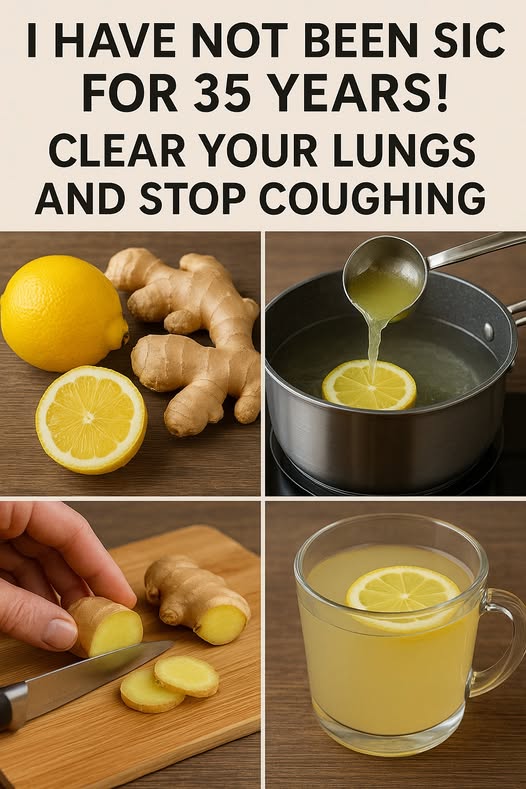
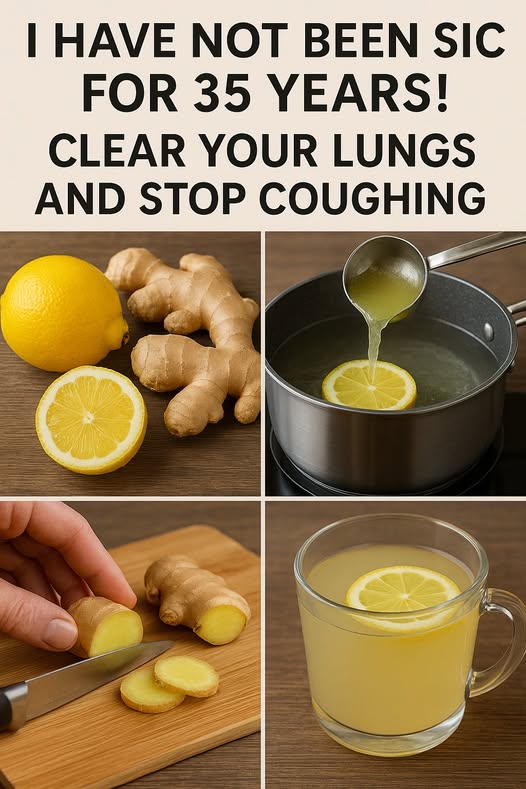
Begin by washing two to three lemons under warm running water. Dry them with a clean towel and use a simple grater or the fine side of a box grater to remove just the yellow outer zest. Try to avoid the white pith underneath, which can taste bitter. After zesting, cut the lemons in half and squeeze out the juice, catching any seeds as you go. You should end up with a half cup or so of fresh lemon juice, which will give the syrup its lively edge.
Next, rinse a four- to six-inch piece of fresh ginger and gently scrape off the thin peel with the edge of a spoon or a vegetable peeler. Slice the ginger thinly or grate it. Slicing gives a milder flavor, while grating draws out stronger spice and aroma. If you are making this for bedtime, you may prefer a milder version; for daytime, a little extra zing can feel wonderfully clearing.
Place the ginger and lemon zest in a small saucepan with about one and a half cups of water. Warm the mixture over low to medium-low heat until it begins to steam gently. Let it stay just below a simmer for fifteen to twenty minutes. This slow, gentle heat helps the ginger release its flavor without boiling everything hard, which can make the taste too sharp. You will notice a lovely fragrance rising from the pan as the ginger softens and the citrus oils in the zest bloom.
After this gentle steeping, remove the pan from the heat and allow it to cool for five to ten minutes. Stir in the fresh lemon juice once the mixture has cooled slightly. This helps keep the lemon flavor bright. If you are using honey or another sweetener, add it now, stirring slowly until it dissolves fully. Many people enjoy a ratio of about half a cup of honey to the amount of liquid you have, but you can make it lighter or richer to suit your taste and your health needs.
Strain the syrup through a fine sieve to remove the ginger and zest. Pour the finished syrup into a clean glass jar with a lid. Let it cool to room temperature before sealing. Store it in the refrigerator, where it will keep well for about one to two weeks. Give it a gentle shake before using, as natural ingredients can settle a bit over time.
Simple Ways to Use Your Syrup Day to Day
A spoonful stirred into a mug of warm water makes a soothing drink that can be sipped slowly. You can also swirl it into decaffeinated tea, drizzle a little over warm oatmeal, or take a small spoonful as is when your throat feels dry. Many people find that one to two tablespoons in a cup of warm water, once or twice a day, is a comfortable routine when they want a little support.
For those who prefer very mild flavors, dilute the syrup with more warm water and take your time. If you enjoy a stronger kick, make your next batch with a bit more ginger or a touch less water. There is no single correct version. Aim for what feels pleasant and easy for you to maintain.
Because sweeteners add calories and may influence blood sugar, consider your overall diet and health plan as you decide how much to use. If you live with diabetes, talk with your healthcare provider about how to fit this into your daily routine, and consider making a lighter syrup with less sweetener.
Comforting Breath and Throat Habits to Pair with the Syrup
Warm liquids are soothing, and you can build on that comfort with other simple habits. Many people find that a brief session of steam inhalation, such as standing in a warm shower or leaning over a bowl of steamy water with a towel loosely draped over the head and shoulders, helps loosen stubborn mucus. Keep the steam gentle, breathe slowly through your nose and mouth, and stop if you feel uncomfortable.
Another calming practice is slow, relaxed breathing. Sit upright, rest your hands on your belly, and breathe in softly through your nose for a count that feels easy. Then breathe out a little longer than you breathed in. Even a few minutes can help your chest and throat feel less tight. Pair this with a warm cup of lemon–ginger and you may notice a welcome sense of ease.
Hydration plays a major role in how your throat and lungs feel. Water, herbal tea, and broths keep mucus from becoming too thick and sticky. Aim to sip regularly throughout the day, especially in heated indoor air or on dry, windy days. Your syrup can be one pleasant part of that overall hydration picture.
Gentle movement also supports comfortable breathing. A relaxed walk, a few laps around the living room, or light stretching can help the body move mucus along and open the chest. Choose calm, easy activity that suits your current energy and any guidance you have received from your clinician.
Safety Notes and Helpful Considerations
Ginger and lemon are widely enjoyed in cooking and beverages, and most people tolerate them well in modest amounts. Still, it is wise to listen to your body. If you notice heartburn or reflux with citrus, dilute the syrup more or reduce the lemon. If ginger feels too spicy, use less or slice it instead of grating it for a gentler flavor.
If you take medications that thin the blood or if you have a bleeding disorder, speak with your healthcare professional before using large amounts of ginger regularly. If you have diabetes or are monitoring your carbohydrate intake, consider reducing the sweetener or using a smaller amount of syrup at a time. If you have chronic kidney issues or have been advised to limit certain minerals, review citrus intake with your care team.
Honey should not be given to infants, but for adults it is typically well tolerated. If you prefer to avoid honey, you can use maple syrup or a small amount of sugar, or you can make an unsweetened lemon–ginger infusion and enjoy it fresh without storing it as a syrup.
When to Seek Medical Advice
Home comforts have their place, but they are not a substitute for medical care. If you experience a cough lasting more than a few weeks, coughing up blood, chest pain, wheezing that does not settle, high fever, night sweats, unexplained weight loss, or shortness of breath that limits your usual activities, please contact a healthcare professional promptly. If you have asthma, COPD, heart disease, or any condition that affects your breathing, keep following your care plan and use this syrup only as a gentle addition for comfort if it suits you.
Answers to Common Questions
People often ask whether fresh ginger is necessary. Fresh ginger does provide a more vibrant flavor and aroma than powdered ginger. If powdered is all you have, you can still make a pleasant drink by whisking a small pinch into warm water with lemon and a touch of sweetener just before sipping. For the syrup method described earlier, fresh sliced or grated ginger works best.
Another frequent question is whether you can use bottled lemon juice. Freshly squeezed lemon has the brightest fragrance and taste, which many find most enjoyable. If bottled is more convenient, choose one with only lemon juice listed and no added flavors. Dilute to taste and adjust the ginger to balance any differences in tartness.
Some people prefer a caffeine-free evening routine. This syrup is naturally caffeine-free, and when you stir a spoonful into warm water, it can be a comforting bedtime drink. If you notice that ginger feels energizing, make your evening cup lighter or enjoy your larger serving earlier in the day.
For those who are sensitive to acidity, you can reduce the lemon and lean more on the aroma of the zest and the warmth of ginger. Adding a little extra water or a splash of milk alternative can soften the edge. Always tailor the recipe to your comfort.
Making It a Pleasant Ritual
What makes this syrup so appealing is not just the ingredients, but the small, steady rhythm it brings to your day. Setting aside a half hour to prepare a jar, placing it in the refrigerator, and knowing it is there when your throat feels rough can provide real peace of mind. The gentle fragrance, the warmth in your hands as you hold the mug, and the smooth feel as you swallow are all part of the experience.
If you share a home with a partner or family member, you might prepare two mugs and sit together for a few minutes. That shared pause can feel grounding, especially at the end of a long day. The routine can also encourage consistent hydration and mindful breathing, which often make a noticeable difference in overall comfort.
A Thoughtful Approach to Everyday Wellness
Good health is built from many small, steady choices. Enjoying a lemon–ginger syrup is one of those simple steps that can support how you feel, especially when the seasons change or indoor air is dry. Combine it with regular sleep, gentle movement, balanced meals, and the care your clinician recommends for your specific needs, and you have a practical approach that respects your body and your time.
It is perfectly fine if your version of the syrup changes with the week. Some days you might enjoy a stronger ginger note, and on others you may want just a hint of lemon in a larger mug of warm water. Pay attention to how you feel after drinking it. If the syrup brings a sense of comfort and ease, keep it nearby. If you do not notice much difference, you have still treated yourself to a warm, pleasant pause, and you can explore other habits that suit you better.
Closing Encouragement
Comfort often lives in the small things we do consistently. A jar of homemade lemon–ginger syrup in the refrigerator, a mug of warm water at your favorite chair, and a few minutes to breathe gently can make the air feel friendlier and your day a little easier. When you want to soothe your throat, settle a mild cough, or simply enjoy a calming ritual that supports relaxed breathing, this simple syrup is a kind companion. Use it with common sense, listen to your body, and reach out to your healthcare professional whenever you have concerns. With that balanced approach, you can welcome this time-tested kitchen favorite into your routine and enjoy its gentle, reassuring comfort whenever you need it.